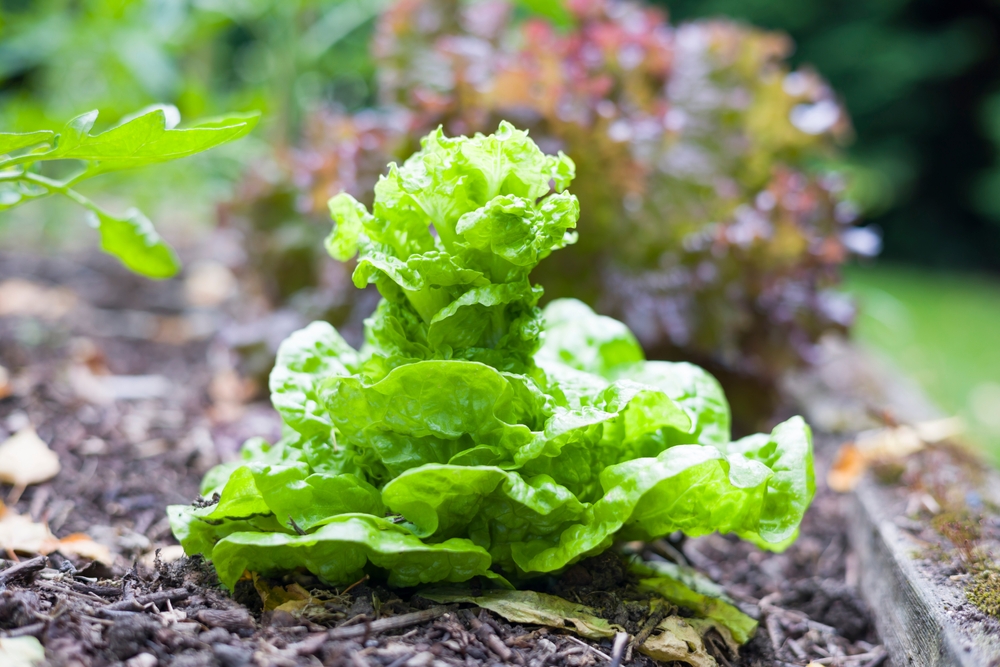
Lettuce that suddenly shoots upward, stretches into a strange leafy tower, and produces a flower stalk has not failed. It has simply changed careers. Once lettuce bolts, the leaves often become tougher and noticeably bitter as the plant shifts its energy toward flowering and seed production, but that does not mean the entire plant belongs in the trash.
In fact, bolted lettuce can still give the garden something useful. A gardener can harvest any remaining palatable leaves, let the plant flower for pollinators, collect seeds for another crop, or return the spent plant to the compost pile. The trick involves knowing what stage the plant has reached and choosing the best second act instead of trying to force a salad out of a plant that clearly has other plans.
First, Taste the Leaves Before You Write Off the Plant
Bolting usually happens when lettuce encounters conditions that push it toward flowering, especially heat and longer days. The plant sends up a central flower stalk, and the leaves often develop a stronger, more bitter flavor as the transition progresses.
That bitter taste does not automatically make the lettuce dangerous to eat, but flavor matters enormously when the goal involves a crisp salad. Pick a young outer leaf and taste it before harvesting a basketful, because one bolted plant may still offer usable leaves near the base while the upper growth tastes like a tiny green argument.
If the leaves taste acceptable, harvest them promptly and use them in salads, sandwiches, wraps, or cooked dishes where stronger flavors can fit more comfortably. Younger leaves often offer the best chance of a pleasant texture, while older leaves and thick stems may feel tougher.
If the bitterness has become overwhelming, stop trying to rescue the salad portion and move on to the plant’s other talents. Gardening gets much easier when a crop can change jobs without receiving a dramatic farewell ceremony.
Let the Flowers Feed the Garden
A bolted lettuce plant produces small flowers that can add a surprising bit of life to a vegetable bed. Letting the plant continue flowering gives pollinators another food source, especially when the garden contains fewer blooms from other plants at that moment. (Gardening Solutions)
The flowers may look modest, but modest flowers still count, and a vegetable garden does not need to resemble a botanical garden to offer useful habitat. Leaving one or two bolted plants in place can turn a disappointing lettuce harvest into a small contribution to the garden’s wider ecosystem.
The flower stalk also gives the plant a little architectural drama, which sounds ridiculous until a lettuce plant suddenly towers over its former salad companions. If the plant looks healthy and the space does not need immediate replanting, leaving it alone makes perfect sense.
Once the plant finishes flowering, watch for the development of mature seed heads rather than cutting everything down immediately. The timing varies with weather and growing conditions, so patience helps more than constant poking, tugging, and wondering whether the seeds have arrived yet.
Save the Seeds for a Future Lettuce Crop
Seed saving offers one of the best reasons to keep bolted lettuce in the garden. Lettuce produces flowers and then develops seeds, allowing gardeners to collect mature seed for future planting instead of buying a fresh packet every time. Wait until the flowers fade and the seed heads develop a fluffy appearance, then collect the mature seeds on a dry day. A paper bag or clean container can catch the seeds as the heads open, and the process requires more patience than fancy equipment.
Choose seeds from plants that performed well in the garden, especially if the plant handled local conditions better than its neighbors. Seed saving does not guarantee identical results in every future generation, but it gives gardeners a chance to continue growing varieties that fit their garden.
Before storing the seeds, make sure they feel dry and keep them in a labeled envelope or airtight container in a cool, dry place. Write down the variety and collection date, because mysterious envelopes labeled “lettuce?” become surprisingly unhelpful several months later.
Can Bolted Lettuce Go Into the Kitchen?
Absolutely, if the flavor passes the taste test. Some leaves may still work fresh, while tougher or more bitter leaves can sometimes fit better into cooked dishes such as soups, stir-fries, or other meals where lettuce does not need to perform a solo act.
Cooking will not magically erase every bitter flavor, so expectations matter. A leaf that tastes aggressively bitter straight from the garden may still overpower a dish, while a mildly bitter leaf can add character alongside stronger ingredients.
The thick central stalk deserves a little caution because its texture often declines as the plant sends energy into flowering. Tender sections may work in cooking, but fibrous portions usually deserve the compost rather than a starring role on the dinner plate.
The smartest kitchen strategy involves sampling small amounts first. One bite can answer the question much faster than preparing an entire bowl of salad and discovering that the lettuce has developed the personality of a grapefruit peel.
When the Plant Has Finished, Compost It Without Guilt
Eventually, every bolted lettuce plant reaches the end of its useful garden life. If the plant has produced the seeds needed for future planting and no edible leaves remain, pull it and add healthy plant material to the compost pile.
A spent lettuce plant contains organic matter that can return to the garden through finished compost. Chop large pieces into smaller sections if practical, because smaller pieces break down more readily and mix more easily with other compost ingredients.
Do not compost a plant that shows signs of a serious disease if the compost pile cannot reliably reach conditions that destroy the pathogen. Diseased material can create problems when gardeners later spread unfinished compost around new crops.
For future plantings, choose varieties described as slow to bolt or suited to warmer conditions, and time lettuce crops for cooler growing periods whenever possible. Shade during the hottest part of the day, consistent moisture, and smart planting dates can also help delay the rush toward flowers.
The Lettuce Did Not Fail, It Just Changed the Plan
Bolted lettuce does not need an immediate trip to the garbage bin. Taste the leaves, harvest what still works, let some plants flower, save seeds from the best performers, and compost the remains when the season finally ends.
That approach turns one disappointing harvest into several useful outcomes, which feels like a pretty good bargain from a plant that technically stopped doing the job originally assigned to it.
What do you usually do with bolted lettuce in the garden, and have you ever saved seeds from a plant that surprised you?
You May Also Like…
The July Balcony Garden Problem: Too Much Sun, Too Much Wind, and Bolting Lettuce
How Cold Frames Extend More Than Just Lettuce
5 Reasons Tabletop Vegetable Gardens Work Well for Renters
Why Cooler Nights Boost Leafy Green Flavor
Can Reflective Mulch Improve Harvests in Small Vegetable Beds?

Brandon Marcus is a staff writer for FrugalGardening.com at District Media, Inc., where he delivers practical gardening advice with a relatable, no-nonsense style. An avid amateur gardener, he holds a BA degree and with over ten years of professional writing experience, he is also an award-winning published author whose first book, Questions For Deep Thinkers, was released by Adams Media. His work has appeared in major publications including Fandom.com, CHUD.com, TheColdWire.com, and Fansided.com.
Leave a Reply