A garden can go from “nothing is ready yet” to “why are there 47 zucchini on the counter?” with astonishing speed. Overripe tomatoes soften, cucumbers turn yellow, peppers wrinkle, and fruit can move from perfectly edible to questionable before the weekend even arrives.
Slightly past-prime produce still has plenty of work left to do in the kitchen. A soft tomato can become sauce, a too-large cucumber can become pickles, and a pile of ripe fruit can become something far more exciting than a sad trip to the compost bin. The trick involves matching the produce to the right rescue plan before mold, rot, or unpleasant odors take over.
1. Turn Soft Tomatoes Into Sauce or Salsa
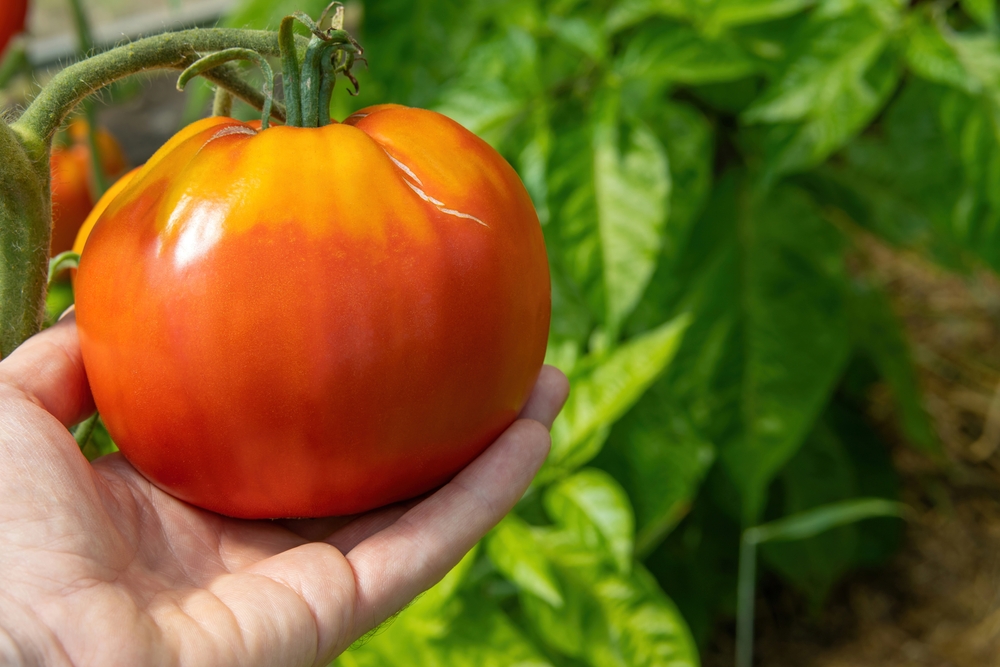
Overripe tomatoes often look less impressive than the firm beauties that make it into a salad, but softness can actually work in their favor when cooking. Cut away small bruised areas, remove any moldy or rotten sections, and simmer the good parts into a quick sauce with garlic, onion, herbs, or peppers. The extra moisture cooks down, leaving a richer mixture for pasta, pizza, eggs, or roasted vegetables.
A tomato with a few wrinkles still deserves a place in the pot, but a tomato with extensive mold or a foul smell belongs in the compost or trash. Avoid trying to salvage produce with widespread mold because soft, watery fruits can allow contamination to spread beyond the visible spot. For a quick garden rescue, chop sound tomatoes, cook them until soft, and freeze the cooled sauce in small containers for future meals.
2. Freeze Peppers Before They Become Sad Little Wrinkles
Peppers can look perfectly usable even after they lose their crisp snap, especially when cooking will soften them anyway. Slice or chop peppers that still smell fresh and show no mold, then freeze them in a single layer before transferring them to a freezer container or bag. Frozen peppers work beautifully in soups, chili, stir-fries, omelets, sauces, and fajitas.
The freezer offers a particularly easy escape route when the garden produces more peppers than one household can possibly eat in a week. No blanching needs to complicate the process for most chopped sweet or hot peppers, although texture changes after freezing, so save them for cooked dishes rather than salads. Label the container with the type of pepper and date, because mystery freezer bags have a way of becoming permanent residents.
3. Make Quick Pickles From Oversized Cucumbers
A cucumber that grew into a backyard baseball bat may no longer deliver the delicate crunch of a small salad cucumber, but it can still become a useful pickle ingredient. A simple vinegar brine with salt, sugar, garlic, dill, or other spices can transform a surplus cucumber into a bright refrigerator pickle.
Quick pickles need refrigeration and do not replace properly processed shelf-stable pickles. That distinction matters because safe canning requires tested recipes, correct acidity, and proper processing methods. For an easy short-term solution, place the prepared cucumbers in a clean container, cover them with the chilled brine, refrigerate them, and enjoy the results within the recommended storage window for the recipe.
4. Bake With Overripe Fruit
Soft berries, peaches, plums, and other garden fruit often reach their most useful stage just before they become too far gone. Chop sound fruit into muffins, crisps, cobblers, quick breads, or simple stovetop compotes. Extra softness usually creates juicy, flavorful results, although very wet fruit may require a little more flour or cooking time.
Fruit with mold deserves a more cautious approach than fruit with a few wrinkles. Mold can spread through soft produce, so do not simply scrape away a fuzzy patch and toss the rest into a pie. When the fruit still smells fresh and shows only normal ripeness, baking or cooking offers an excellent way to use it quickly while its flavor remains at its best.
5. Blend Produce Into Sauces, Soups, and Smoothies
A mismatched pile of overripe vegetables can become the foundation for a surprisingly good meal. Soft tomatoes, peppers, zucchini, herbs, and onions can all contribute to a cooked sauce or soup, provided each ingredient remains sound. Even vegetables that lost their crisp texture can bring flavor once a blender, pot, or roasting pan enters the picture.
Smoothies offer a similar rescue mission for ripe fruit, especially bananas, berries, peaches, and melons. Freeze fruit in pieces first, then blend it with yogurt, milk, juice, or another preferred liquid. Keep in mind that freezing preserves quality rather than magically improving produce, so trim damaged areas before freezing and use fruit that still smells and tastes fresh.
6. Dry Herbs and Save Them for Later
Herbs often become the garden’s final act, with basil, oregano, thyme, mint, and other plants producing more leaves than the kitchen can handle. Harvest healthy leaves before they develop mold or serious decay, then dry them in a warm, dry, well-ventilated spot or use a food dehydrator. Once completely dry, store the herbs in airtight containers away from heat and direct light.
Fresh herbs also make excellent additions to freezer-friendly flavor cubes. Chop herbs, place them in ice cube trays, cover them with water or oil depending on the intended use, and freeze them. The cubes can later flavor soups, sauces, roasted vegetables, and other cooked dishes, turning an herb surplus into a convenient little flavor bank.
7. Roast Vegetables Before They Cross the Line
Slightly soft zucchini, peppers, tomatoes, onions, eggplant, and other vegetables can often find new life on a roasting pan. Cut away damaged portions, chop the vegetables into similar-sized pieces, toss them with oil and seasonings, and roast until tender and browned. Roasting concentrates flavor, which makes it particularly useful for vegetables that lost some of their original firmness.
This method also helps clear the counter quickly when several crops ripen at once. Use the roasted vegetables in sandwiches, grain bowls, pasta, frittatas, soups, or as a side dish. Just remember that roasting cannot rescue produce with extensive mold, sliminess, a rotten odor, or signs of serious decay.
8. Share the Surplus Before It Becomes Waste
Sometimes the best rescue plan involves sending produce out the door while it still looks good. A neighbor, friend, family member, community group, or local food organization may welcome extra tomatoes, peppers, squash, herbs, or fruit. A small box of freshly picked produce can disappear much faster than a gardener expects, especially when the alternative involves another evening of trying to invent a new zucchini recipe.
Sharing also works best before produce reaches the overripe stage. Pick tomatoes when they show color but still have some firmness, harvest cucumbers before they become oversized, and cut herbs regularly to encourage fresh growth. A little planning during peak harvest season can prevent the classic late-summer counter pile, where every vegetable seems to demand immediate attention at once.
The Garden’s “Too Much” Problem Can Become Dinner
Overripe produce does not automatically belong in the compost pile, but it does require a quick inspection and the right kitchen strategy. Sound, soft fruits and vegetables can become sauces, soups, pickles, baked goods, frozen ingredients, roasted dishes, or gifts for someone who will happily take them off the counter.
The most important habit involves checking produce before it crosses from “past its prime” into “unsafe to eat.” Mold, foul odors, extensive decay, and unusual sliminess signal a problem, while ordinary softness, wrinkles, or extra ripeness often simply call for cooking, freezing, drying, or another preservation method. With a little creativity, the garden’s biggest harvest headache can become a freezer full of future meals instead of a pile of wasted produce.
Which garden crop always seems to produce far more than expected, and what is the favorite way to use the extra? Share your best garden surplus rescue ideas in the comments.
You May Also Like…
7 Garden Crops That Benefit From a Second Sowing
5 Crops That Recover Quickly After a Hailstorm
Why Grass Clippings Can Carry Herbicide Into Vegetable Beds
Sugarbeets, Sugarcane, and Vegetable Costs: What Gardeners Can Learn From Commodity Stress
8 Fruits You Should Never Plant Too Close Together

Brandon Marcus is a staff writer for FrugalGardening.com at District Media, Inc., where he delivers practical gardening advice with a relatable, no-nonsense style. An avid amateur gardener, he holds a BA degree and with over ten years of professional writing experience, he is also an award-winning published author whose first book, Questions For Deep Thinkers, was released by Adams Media. His work has appeared in major publications including Fandom.com, CHUD.com, TheColdWire.com, and Fansided.com.
Leave a Reply