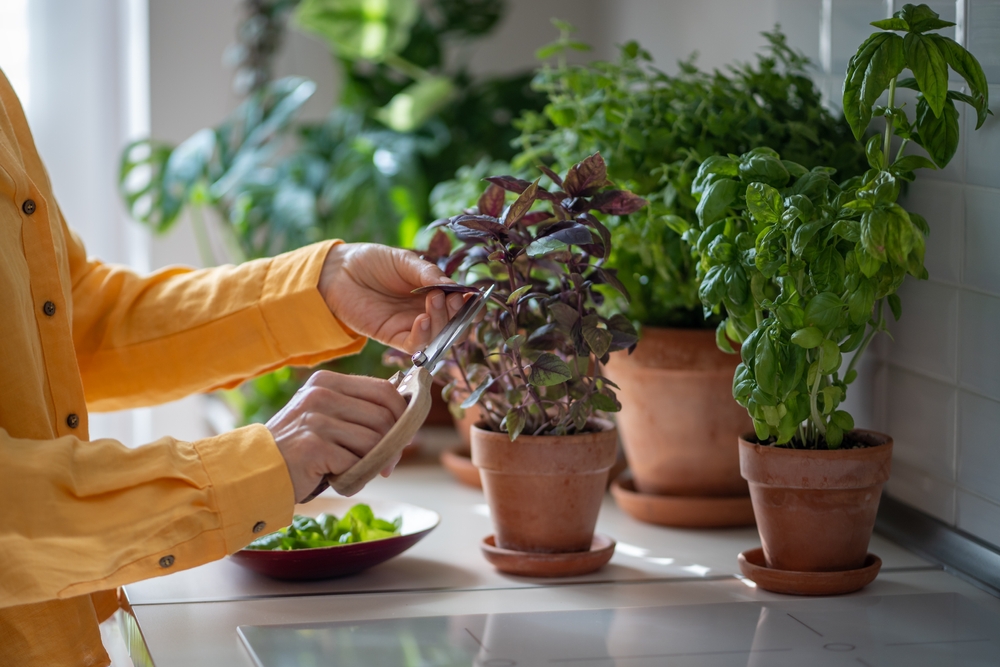
A tabletop vegetable garden gives renters a simple way to grow fresh herbs and vegetables without digging up a yard or asking a landlord for major changes. A sunny balcony, patio corner, or even a sturdy outdoor table can become a tiny food-growing station with the right containers and plant choices.
Renters often face gardening limits, but those limits do not have to end the fun of growing food. Tabletop gardens keep things flexible, affordable, and surprisingly productive, making them a clever option for anyone who wants fresh greens without a permanent garden bed.
1. They Save Valuable Space
Small spaces do not stop a gardener with a little creativity. Tabletop gardens work especially well for renters because they use vertical space and compact containers instead of demanding a large patch of ground. A sturdy table, plant stand, or rolling cart can hold several pots filled with lettuce, basil, parsley, radishes, or compact tomato varieties. The setup feels less like a traditional garden and more like a tiny outdoor kitchen waiting for ingredients.
Many renters live in apartments, condos, or homes with shared outdoor areas where every square foot matters. A tabletop garden lets gardeners place plants where sunlight works best without taking over walkways or common spaces. The key involves choosing containers with enough depth for each crop, because shallow roots and cramped pots create unhappy plants. Lettuce and herbs handle smaller containers well, while vegetables like peppers need deeper pots with room for roots.
2. They Offer Easy Mobility
Moving creates one of the biggest challenges for renters who love gardening. A traditional garden bed stays behind, but tabletop containers can move with the gardener when a lease ends or a better sunny spot appears. Lightweight containers, especially those made from plastic or fabric, make rearranging plants much easier than digging and rebuilding a garden.
Mobility also helps gardeners respond to changing conditions throughout the season. A heat wave might require moving delicate herbs into partial shade, while cooler weather might call for a sunnier location near a wall that holds warmth. Gardeners can also rotate crops, replace tired plants, and experiment with new varieties without making a long-term commitment. That freedom makes tabletop gardening feel like a creative project instead of a permanent responsibility.
3. They Lower Gardening Costs
Starting a garden does not require a garage full of tools or an expensive setup. Tabletop gardens often need only containers, quality potting mix, seeds or seedlings, and basic watering supplies. A renter can begin with a few herbs or salad greens instead of spending money on a huge collection of plants that might never get used.
Smart choices make a small garden even more budget-friendly. Growing herbs such as basil, cilantro, and chives can save repeated trips to the grocery store because gardeners can snip what they need while the plant keeps producing. Gardeners should avoid using ordinary garden soil in containers because it can become heavy and drain poorly. A quality potting mix creates better conditions for container vegetables and helps prevent common problems like soggy roots.
4. They Make Gardening More Convenient
A tabletop garden puts vegetables right where gardeners notice them. A pot of basil beside a kitchen door or a container of salad greens near a patio creates a helpful reminder to water, check for pests, and harvest often. Small gardens sometimes receive better care simply because they sit in a visible location instead of hiding in a forgotten corner.
Convenience also improves the gardening experience for beginners. Checking a few containers takes only a few minutes, which makes it easier to catch issues like yellow leaves, dry soil, or insect damage before problems grow. Fresh herbs and vegetables also encourage more home cooking because the ingredients sit just a few steps away. That small connection between growing and eating makes gardening feel practical rather than like another chore on a long list.
5. They Create A Personal Garden Anywhere
A rental home can still feel personal with the right plants. Tabletop gardens add color, texture, and life to balconies, patios, and outdoor areas that might otherwise feel plain. Flowering herbs like basil varieties with purple blooms or edible plants like rainbow chard can bring visual interest while providing something useful.
Some renters worry that limited space means limited results, but careful planning changes that idea. A few productive containers can provide fresh toppings, herbs, and small harvests throughout the growing season. Gardeners should match plants with available sunlight, since most vegetables need several hours of direct light each day. With realistic expectations and regular care, a tabletop garden can become one of the most enjoyable parts of a rental home.
Small Containers, Big Gardening Possibilities
Tabletop vegetable gardens remove many barriers that keep renters from growing their own food. They do not require digging, permanent changes, or a large outdoor area. Instead, they offer a manageable way to experiment with gardening while adding useful plants to everyday spaces. The best garden often starts with the space available, not the space someone wishes they had.
Choosing the right containers, plants, and location creates a rewarding experience for beginners and experienced gardeners alike. A small tabletop setup can teach valuable lessons about watering, sunlight, soil, and seasonal timing. For renters who want fresh vegetables without major commitments, these compact gardens offer a practical path from empty tabletop to homegrown harvest.
Would a tabletop vegetable garden fit into your home, and what plant would you grow first?
You May Also Like…
Why Grass Clippings Can Carry Herbicide Into Vegetable Beds
6 Options That Transition Well Between Indoor and Outdoor Growth
The Container Gardening Trend That’s Exploding on TikTok
Plants You Can Still Start Indoors for Free
Foraging Gardens: RHS Says Plant Borage, Sorrel and Herbs You Can Eat Straight from the Yard

Brandon Marcus is a staff writer for FrugalGardening.com at District Media, Inc., where he delivers practical gardening advice with a relatable, no-nonsense style. An avid amateur gardener, he holds a BA degree and with over ten years of professional writing experience, he is also an award-winning published author whose first book, Questions For Deep Thinkers, was released by Adams Media. His work has appeared in major publications including Fandom.com, CHUD.com, TheColdWire.com, and Fansided.com.
Leave a Reply