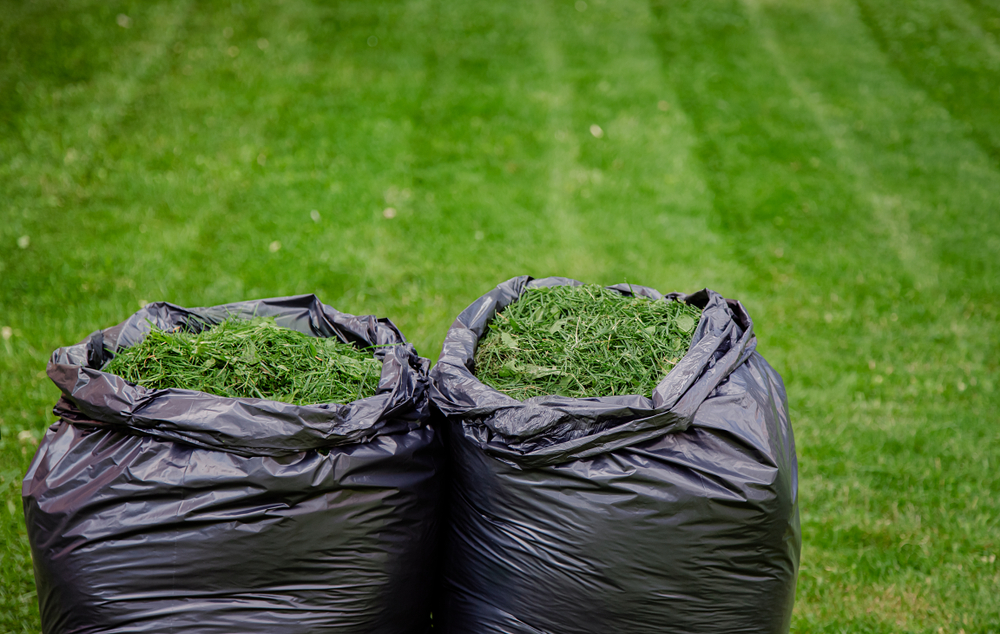
Fresh grass clippings look like free garden gold. They hold moisture, break down quickly, and seem like the perfect mulch for tomatoes, peppers, beans, and squash. That bargain can turn into an expensive mistake when those clippings contain herbicide residue.
Many gardeners discover the problem only after vegetables twist, curl, stop growing, or produce strange-looking leaves. The culprit often sits right on top of the soil in the form of lawn clippings that came from grass treated with certain weed killers. Knowing which products create this risk helps protect vegetable harvests and prevents months of frustration.
How Herbicides End Up in Grass Clippings
Many lawn weed killers target broadleaf plants while leaving grass largely untouched. Products that contain ingredients such as 2,4-D, dicamba, mecoprop, or longer-lasting compounds can remain on or within grass blades for a period after application. Mowing shortly after treatment collects those treated blades into neat piles that still carry herbicide residue.
When someone spreads those clippings around vegetables, rain and irrigation slowly move the residue into the soil. Sensitive crops absorb the chemicals through their roots or leaves, depending on the product and the timing. Tomatoes, peppers, potatoes, beans, peas, grapes, and many leafy vegetables often react much more strongly than turfgrass. A mulch layer that looked helpful can suddenly become the source of distorted growth that puzzles even experienced gardeners.
Which Herbicides Create the Biggest Problems
Not every lawn product creates the same level of concern. Some herbicides break down fairly quickly, while others persist much longer in plant material and soil. Products containing aminopyralid, clopyralid, picloram, or aminocyclopyrachlor have earned a reputation for lingering in compost, hay, manure, and grass clippings, sometimes long enough to injure vegetables months later.
Gardeners often assume composting solves every problem, but that assumption can backfire. Compost piles do not always generate the conditions needed to break down persistent herbicides before someone spreads the finished material in the garden. Several university extension programs regularly warn gardeners to avoid accepting unknown grass clippings, hay, or manure because contamination frequently traces back to treated forage or lawns. Asking a simple question about recent herbicide use can prevent an entire growing season from going sideways.
Spotting Herbicide Damage Before It Gets Worse
Herbicide injury usually follows recognizable patterns instead of random yellowing or insect damage. Tomato plants may develop tightly curled leaves, long narrow leaflets, twisted stems, and stunted new growth. Beans and peas often produce cupped leaves or distorted shoots, while peppers can stop growing even though watering and fertilizing seem perfectly normal.
Many gardeners initially blame fertilizer burn, drought, pests, or plant diseases because those problems seem more common. Looking at every plant in the bed often provides an important clue. If broadleaf vegetables show unusual twisting while nearby grasses look perfectly healthy, herbicide contamination deserves serious consideration. Taking photographs over several days also helps identify whether symptoms continue to spread as plants produce new leaves.
Safe Ways to Use Grass Clippings Around Edible Plants
Grass clippings still make excellent mulch when they come from untreated lawns. Fresh untreated clippings suppress weeds, reduce moisture loss, moderate soil temperatures, and gradually return nutrients to the soil as they decompose. A thin layer works better than a thick mat because air continues to circulate while water reaches the soil more easily.
Before collecting clippings from neighbors, relatives, or landscaping companies, ask exactly which lawn products they used and when they applied them. Skip any clippings from lawns treated recently with weed killers unless the product label specifically allows that use after the recommended waiting period. Keeping separate compost piles for known untreated materials adds another layer of protection, especially for gardeners who grow valuable tomatoes, peppers, herbs, and other sensitive crops.
A Little Caution Protects an Entire Harvest
The appeal of free mulch never fades, but every load of grass clippings carries a story. Knowing whether those clippings came from an untreated lawn often matters just as much as choosing the right fertilizer or watering schedule. A quick conversation before loading the wheelbarrow can save months of work and preserve healthy vegetable plants from invisible damage.
Gardening rewards careful observation, and this issue highlights that lesson perfectly. Healthy-looking grass does not automatically mean the clippings belong in a vegetable bed. Choosing clean mulch sources, reading herbicide labels carefully, and staying patient with compost ingredients all help build a productive garden that delivers baskets of healthy vegetables instead of disappointing surprises.
Have grass clippings ever helped your garden, or have you dealt with unexpected herbicide damage? Share your experience and tips in the comments below.
You May Also Like…
Why More Homeowners Are Replacing Grass With Food Gardens in 2026
7 Common Mulching Mistakes That Kill Plants Fast
The Creeping Weed That Spreads Faster Than Crabgrass
Stop Throwing Away Lawn Clippings: Use “Leaf Litter” as Mulch to Feed Soil and Save Money
Make the Switch to Microclover Lawns: Clover Mixes Feed Themselves, Suppress Weeds and Stay Green

Brandon Marcus is a staff writer for FrugalGardening.com at District Media, Inc., where he delivers practical gardening advice with a relatable, no-nonsense style. An avid amateur gardener, he holds a BA degree and with over ten years of professional writing experience, he is also an award-winning published author whose first book, Questions For Deep Thinkers, was released by Adams Media. His work has appeared in major publications including Fandom.com, CHUD.com, TheColdWire.com, and Fansided.com.
Leave a Reply