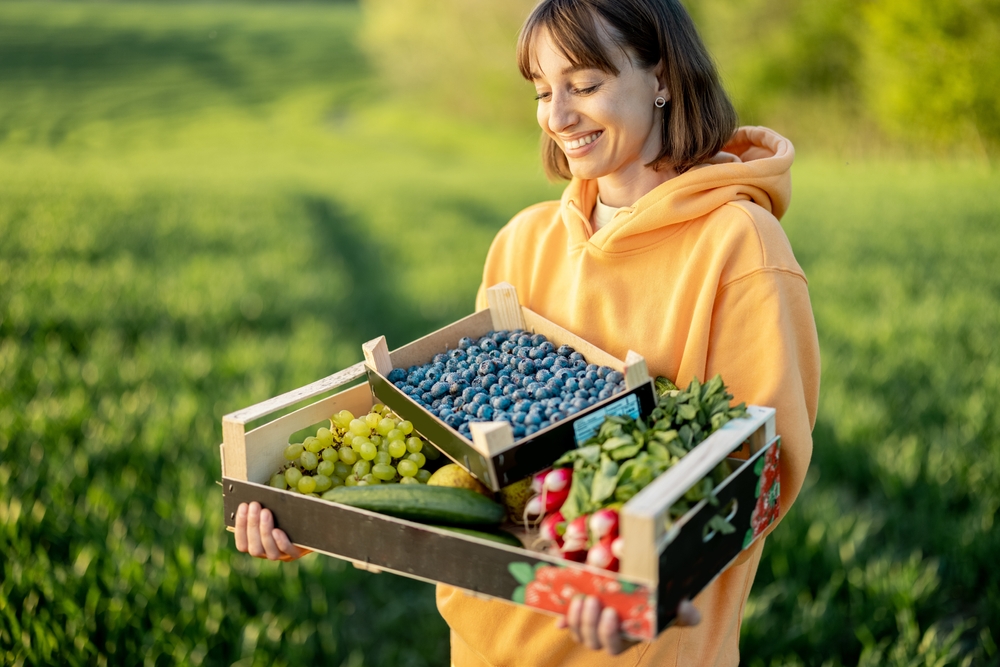
A quiet revolution has started in neighborhoods across America, and it has nothing to do with fancy outdoor furniture or expensive landscaping projects. More homeowners now look at their lawns and see something surprising: wasted potential. Instead of spending weekends mowing, fertilizing, and watering large patches of grass, many people have started transforming those spaces into productive food gardens.
The shift comes at a time when grocery prices continue to challenge household budgets. A backyard that once produced nothing but grass clippings can now provide tomatoes, peppers, herbs, lettuce, berries, and other fresh foods throughout the growing season. Homeowners have discovered that a food garden delivers beauty, purpose, and practical value all at the same time.
Grass Costs More Than Most People Realize
Many homeowners never stop to calculate the true cost of maintaining a traditional lawn. Grass requires regular mowing, watering, fertilizing, edging, weed control, and occasional reseeding. Those expenses add up quickly throughout the year, especially in regions that experience hot summers or drought conditions.
Food gardens often require an initial investment in soil, raised beds, seeds, or starter plants, but many gardeners recover those costs surprisingly fast. A single healthy tomato plant can produce pounds of fruit over a growing season, while herbs such as basil, parsley, and cilantro can provide repeated harvests for months. When homeowners compare the cost of fresh produce at the grocery store with the harvest from their yards, the financial appeal becomes obvious.
Many gardening enthusiasts also point to another hidden expense of lawns: time. Mowing and maintenance consume countless hours every year. Food gardens still require care, but many people find harvesting vegetables far more rewarding than cutting grass.
Rising Grocery Prices Have Changed the Conversation
The average grocery bill looks very different today than it did just a few years ago. Fresh fruits, vegetables, and herbs often rank among the most expensive items in a shopping cart. As prices continue to fluctuate, homeowners increasingly view food gardening as a practical way to offset some of those costs.
A modest garden can produce impressive results. A few raised beds may supply enough lettuce, kale, cucumbers, beans, and tomatoes to reduce grocery trips throughout the growing season. Some homeowners even preserve excess harvests through freezing, canning, or dehydrating, extending the value of their gardens well beyond summer.
The savings become especially noticeable for families who regularly purchase organic produce. Growing food at home gives gardeners complete control over fertilizers, pesticides, and cultivation methods. That combination of savings and quality has become a powerful motivator for many households.
Food Gardens Bring More Life to Outdoor Spaces
Traditional lawns often function as green carpets. They look neat, but they do little to attract wildlife or create visual interest. Food gardens offer a completely different experience. Flowering vegetables, colorful fruits, pollinator-friendly herbs, and companion plants create vibrant outdoor environments filled with activity.
Bees, butterflies, and beneficial insects flock to gardens that provide nectar and pollen. Birds often visit in search of insects, seeds, or berries. The result feels more like a living ecosystem than a carefully managed lawn. Many homeowners report spending more time outdoors after converting portions of their yards into productive growing spaces.
The visual appeal also surprises many first-time gardeners. Bright red tomatoes, deep green kale, purple basil, orange peppers, and colorful flowers create landscapes that rival traditional ornamental gardens. A food garden can look beautiful while serving a practical purpose.
Smaller Lawns Support Environmental Goals
Water conservation remains a major concern in many communities. Large lawns frequently require significant irrigation, especially during hot weather. Food gardens generally use water more efficiently when gardeners employ drip irrigation, mulch, and smart planting techniques.
Many homeowners also appreciate reducing their dependence on chemical fertilizers and weed-control products. Sustainable gardening methods encourage healthier soil, better water retention, and stronger plant growth. Over time, these practices can improve the overall health of a property’s landscape.
Environmental benefits extend beyond the backyard. Locally grown food eliminates the transportation, packaging, and storage requirements associated with many grocery store products. Every tomato picked a few steps from the kitchen avoids a long supply chain and reduces waste along the way.
Modern Gardening Has Become Easier Than Ever
Food gardening once carried a reputation for being difficult or time-consuming. Modern gardeners have access to resources that make success much more achievable. Online tutorials, gardening apps, local extension programs, and social media communities provide guidance for nearly every challenge a beginner might encounter.
Raised beds have become especially popular because they simplify soil management and reduce weeding. Container gardening allows homeowners with limited space to grow vegetables on patios, decks, and small yards. Even people who start with a single herb planter often gain confidence and expand their gardens over time.
New varieties of vegetables also help beginners succeed. Plant breeders continue developing compact, disease-resistant plants that produce reliable harvests in smaller spaces. These innovations make food gardening accessible to more households than ever before.
The Backyard Is Becoming a Personal Grocery Aisle
The growing popularity of food gardens reflects a broader shift in how people think about their homes. Homeowners increasingly want landscapes that provide tangible benefits instead of simply looking attractive. A productive yard can lower grocery expenses, support pollinators, reduce water use, and deliver fresher food than many stores can offer.
That does not mean every lawn will disappear overnight. Many homeowners choose a balanced approach by keeping some grass while converting unused areas into vegetable beds, berry patches, or herb gardens. Even small changes can produce meaningful results over time.
What do you think about replacing part of a lawn with a food garden? Have you already started growing your own fruits, vegetables, or herbs at home?
You May Also Like…
How Much Money Can You Really Save Growing Your Own Food?
The Dollar Store Gardening Finds That Actually Work
10 Common Gardening Myths That Waste Money
10 Vegetables That Practically Grow Themselves
Why Some Residents Are Being Fined for Growing Vegetables in the Front Yard

Brandon Marcus is a staff writer for FrugalGardening.com at District Media, Inc., where he delivers practical gardening advice with a relatable, no-nonsense style. An avid amateur gardener, he holds a BA degree and with over ten years of professional writing experience, he is also an award-winning published author whose first book, Questions For Deep Thinkers, was released by Adams Media. His work has appeared in major publications including Fandom.com, CHUD.com, TheColdWire.com, and Fansided.com.
Leave a Reply