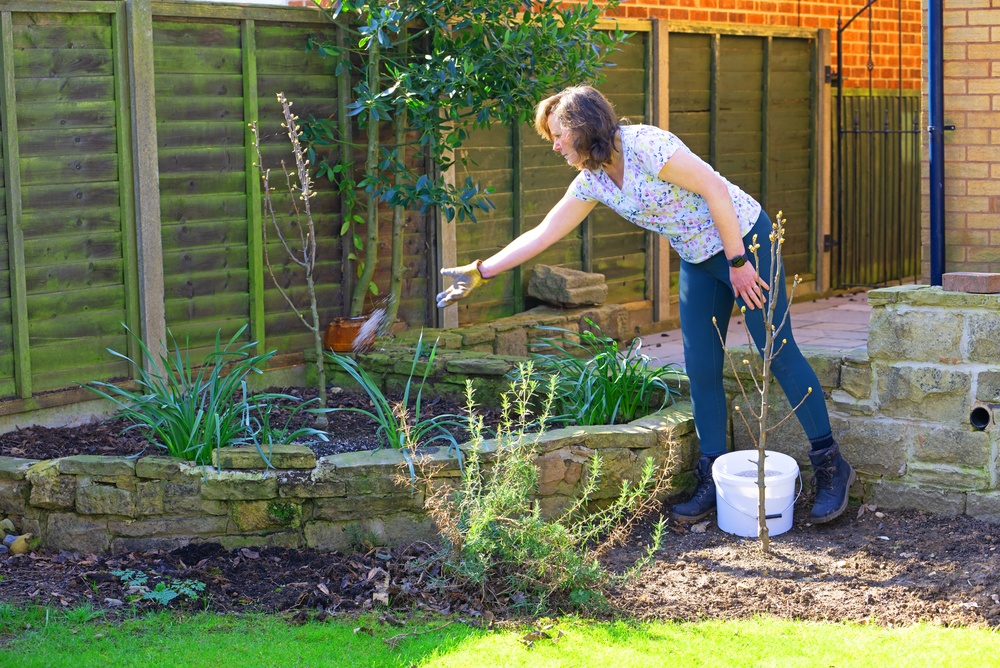
Garden centers start stacking fertilizer bags the second winter loosens its grip, and eager gardeners rush to feed everything in sight. Bright green packaging promises giant tomatoes, explosive blooms, and lawns thick enough to lose a rake in. Unfortunately, timing matters far more than most people realize, and dumping fertilizer onto sleepy plants often backfires in spectacular fashion. Cold soil slows root activity, which means plants cannot absorb nutrients efficiently even when fertilizer sits right beside them. Instead of fueling healthy growth, early feeding frequently washes away during spring rainstorms or pushes weak growth that struggles the minute temperatures swing again.
Many experienced gardeners follow one simple rule that beginners miss completely: fertilize when plants actively grow, not when the calendar says spring has arrived. Soil temperature drives root activity much more than air temperature, and most plants wait patiently until conditions stabilize before they start pulling nutrients from the ground. Grass may look slightly green after winter, but roots often remain sluggish underneath the surface for weeks.
Lawns Suffer When Fertilizer Hits at the Wrong Moment
A huge percentage of homeowners fertilize lawns far too early in spring because neighbors start spreading bags the second snow disappears. Grass wakes up slowly after winter, and aggressive feeding before steady growth begins encourages shallow roots instead of deep, drought-resistant systems. That creates lawns that look flashy for a few weeks before turning stressed and patchy during summer heat. Cool-season grasses common across much of America perform best when fertilizer supports root development rather than forcing frantic leaf growth. Waiting until grass needs its first or second mowing usually delivers much better results than racing to fertilize in late winter.
Early fertilizer also increases runoff problems, especially during heavy spring rain. According to the Environmental Protection Agency, excess fertilizer runoff contributes to water pollution in lakes, rivers, and streams throughout the United States. Nitrogen that plants cannot absorb immediately often escapes into waterways instead of helping lawns grow greener. That means homeowners waste money while creating environmental headaches at the same time. A properly timed fertilizer application feeds the lawn efficiently, strengthens roots, and dramatically reduces unnecessary nutrient loss.
Vegetable Gardens Need Timing Precision
Vegetable gardeners often get so excited for tomato season that they fertilize beds weeks before planting day. Rich soil sounds wonderful in theory, but heavy fertilizer applications too early can actually disrupt soil balance and encourage nutrient loss before crops even enter the ground. Nitrogen especially moves quickly through wet spring soil, which means a garden bed loaded in March may contain far fewer nutrients by late May. Gardeners then add more fertilizer because plants look hungry, creating an unnecessary cycle of overfeeding. Timing fertilizer closer to planting keeps nutrients available exactly when vegetables need them most.
Tomatoes, peppers, cucumbers, and squash all benefit from staged feeding rather than one giant fertilizer dump at the beginning of the season. Young plants first need strong roots and steady establishment before explosive fruit production begins. Too much nitrogen early often creates massive leafy plants with disappointing harvests because energy pours into foliage instead of fruit. Gardeners frequently brag about giant tomato plants in June only to complain about weak yields by August. Consistent feeding at the right growth stages produces sturdier plants, better harvests, and fewer disease problems throughout the season.
Flower Beds Tell the Truth Fast
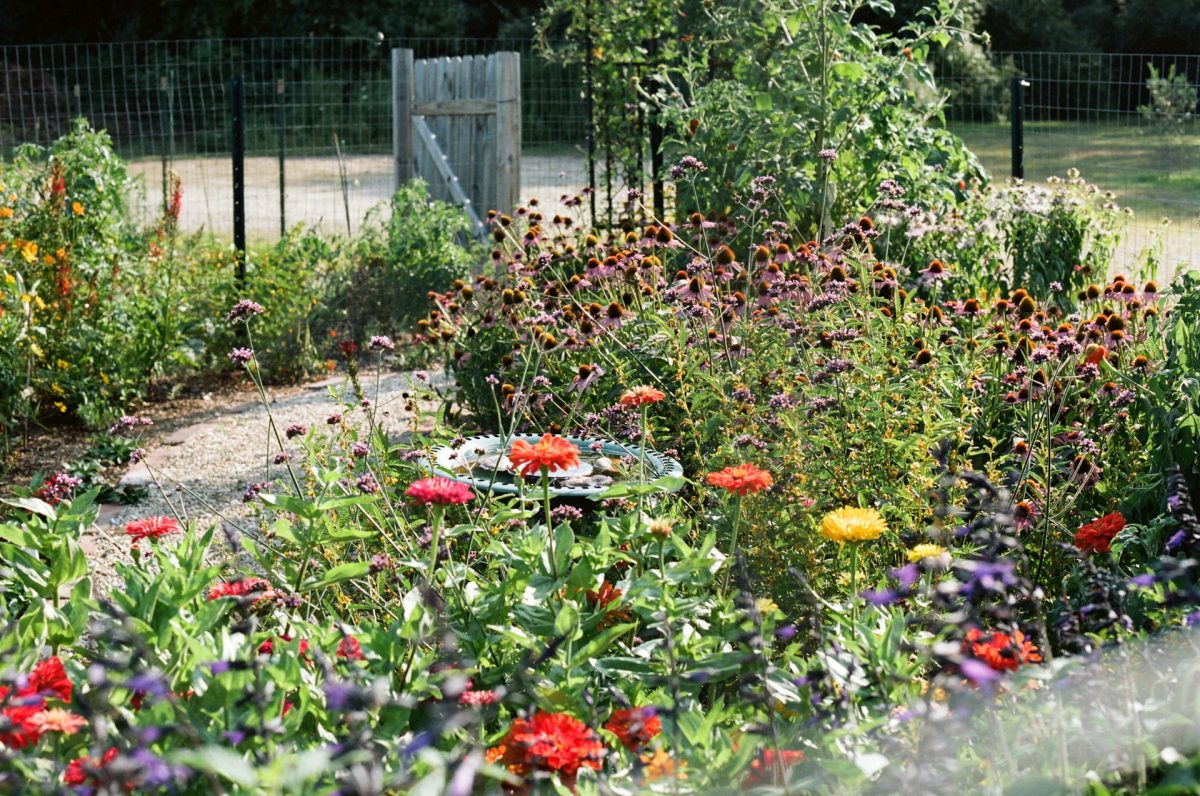
Flower gardens expose fertilizer mistakes almost immediately because ornamentals respond dramatically to nutrient overload. Roses may shoot out soft, floppy growth after early feeding, while hydrangeas can produce lush leaves with fewer blooms than expected. Annual flowers also become leggy and weak when fertilizer arrives before plants establish stable root systems. Strong stems and balanced growth matter far more than rapid early size increases. Experienced gardeners often describe fertilizer as a supplement instead of a magic potion, and that mindset keeps flower beds healthier all season long.
Perennials especially reward patience because many emerge slowly in spring despite warming air temperatures. Gardeners sometimes panic when plants appear late and throw fertilizer at dormant crowns hoping to speed things along. That strategy rarely helps and occasionally damages tender new growth during late frosts. Waiting until plants clearly leaf out allows gardeners to match nutrients with active growth cycles instead of guessing based on weather forecasts. Flower beds respond best when fertilizer supports momentum rather than trying to force it prematurely.
Container Plants Follow Different Rules
Potted plants operate under completely different conditions than garden beds because containers warm up and dry out faster. Nutrients also flush through pots rapidly during watering, which means timing and consistency matter even more for patios and balconies packed with flowers or vegetables. Many gardeners accidentally burn container roots by applying strong fertilizer before plants actively grow or before soil moisture stabilizes. Dry potting mix mixed with concentrated fertilizer creates a rough combination that stresses plants fast. Watering thoroughly before feeding protects roots and improves nutrient absorption significantly.
Container plants also benefit from smaller, more frequent feedings instead of heavy doses every few weeks. Petunias, tomatoes, herbs, and peppers growing in pots burn through nutrients quickly once summer heat arrives. However, overfeeding early in the season creates weak, stretched growth that struggles during hot weather. Gardeners who feed lightly during establishment and increase fertilizer gradually once growth accelerates usually see fuller plants and longer bloom periods. Consistent timing beats dramatic fertilizer blasts every single time.
The Weather Matters More Than the Date
Many fertilizer mistakes happen because gardeners cling tightly to calendar dates instead of watching actual growing conditions. A warm March in Georgia creates completely different conditions than a cold April in Minnesota, yet fertilizer schedules often ignore regional weather differences entirely. Soil temperature, rainfall, plant growth, and seasonal stability all influence how effectively plants absorb nutrients. Even professional landscapers adjust fertilizer timing constantly based on local weather patterns. Plants respond to conditions happening underground, not dates printed on fertilizer bags.
Heavy rainstorms immediately after fertilizing can also strip nutrients away before roots absorb them. On the other hand, feeding during drought stress may damage plants because roots already struggle to function properly. Smart gardeners monitor forecasts closely and fertilize before moderate, steady weather instead of extreme swings. Timing fertilizer around actual conditions produces stronger growth while saving money on wasted products. Plants thrive when gardeners treat feeding as a response to growth instead of a rigid annual ritual.
The Secret Lives Underground
Healthy gardens depend on living soil packed with microbes, organic matter, and active roots rather than endless fertilizer applications. Great gardeners know fertilizer works best as part of a larger strategy that includes compost, mulch, proper watering, and patience. Plants growing in healthy soil naturally absorb nutrients more efficiently and recover faster from stress throughout the season. Throwing fertilizer at every garden problem often masks deeper issues instead of fixing them. Timing simply helps plants use nutrients effectively rather than letting them wash away unused.
What fertilizer timing mistake created the biggest surprise in your garden or lawn this year? It’s time to chat about it below in our comments section.
You May Also Like…
Why Tomatoes Grow Leaves but Delay Fruit Production
5 Fertilizer Errors That Reduce Yields Without You Noticing
5 Natural Fertilizing Methods That Actually Work
The Chicken Manure Connection: Finding Free Fertilizer in Your Local Facebook Group
The Over-Fertilizing Trap: Why Your Expensive Store-Bought Food is Killing Your Crops

Brandon Marcus is a staff writer for FrugalGardening.com at District Media, Inc., where he delivers practical gardening advice with a relatable, no-nonsense style. An avid amateur gardener, he holds a BA degree and with over ten years of professional writing experience, he is also an award-winning published author whose first book, Questions For Deep Thinkers, was released by Adams Media. His work has appeared in major publications including Fandom.com, CHUD.com, TheColdWire.com, and Fansided.com.
Leave a Reply