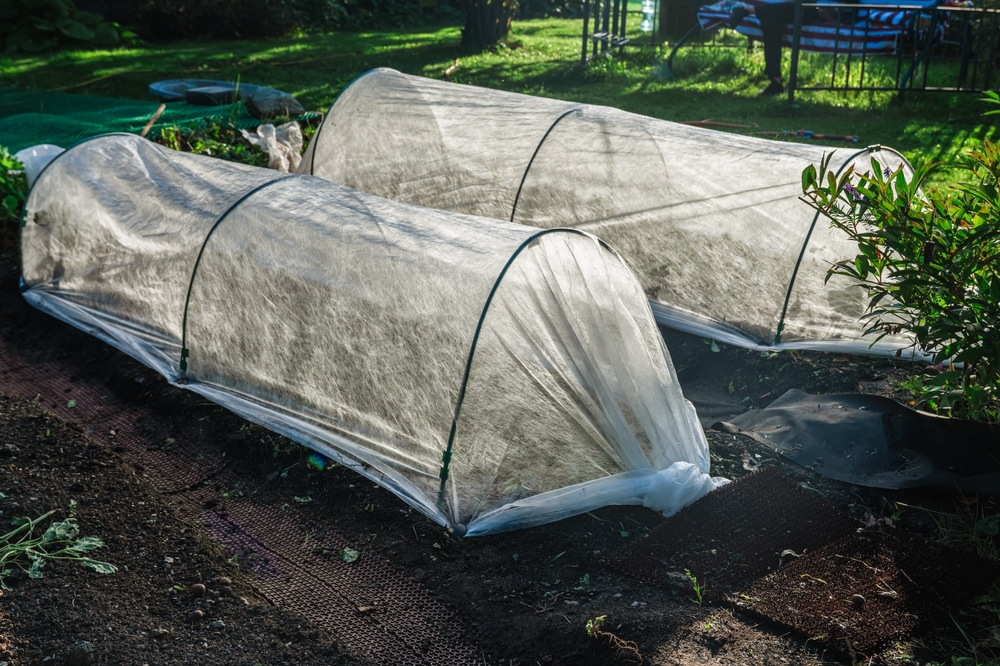
The first frost doesn’t necessarily have to end your vegetable garden, and you don’t need an expensive heated greenhouse to keep harvesting. A simple cold frame—a low, enclosed growing space topped with glass, polycarbonate or another transparent material—captures solar warmth during the day and provides plants with additional protection from cold nights.
The trick is choosing cold-frame crops that actually prefer cool conditions rather than trying to keep summer tomatoes alive through December. Lettuce, spinach, kale, radishes and several other vegetables can tolerate temperatures that would quickly finish off beans, cucumbers and peppers. With the right crops and a little attention to ventilation, a cold frame can turn a relatively small investment into weeks or even months of additional garden production.
1. Spinach Is One of the Best Places to Start
If you’re experimenting with cold-frame crops for the first time, spinach belongs near the top of the list. University of Minnesota identifies spinach among the cool-season vegetables that can benefit from season-extension methods, and established plants tolerate chilly conditions surprisingly well. Minnesota lists spinach at roughly 35 to 45 days to maturity and notes that it can survive light frost and may even overwinter under suitable conditions. Growth becomes much slower as temperatures and daylight fall, so the goal is often to establish plants before the darkest part of winter rather than expecting vigorous January growth. Harvest the outer leaves as needed while leaving the center intact, and one planting can potentially provide several small harvests.
2. Lettuce Can Keep Producing Beyond the First Frost
Tender-looking lettuce is tougher than many gardeners give it credit for. University of Minnesota notes that lettuce is a cool-season crop, and leaf types can be especially useful when you want repeated harvests rather than waiting for full heads. Under season-extension protection, varieties selected for cold tolerance can continue producing after unprotected summer vegetables are gone. Instead of planting an entire packet at once, sow smaller amounts over time so you’re not faced with 20 heads becoming ready simultaneously. A cold frame won’t protect lettuce from every extreme winter temperature, but it can significantly stretch the useful growing window during cool fall and early spring weather.
3. Kale Handles Cold Better Than Most Garden Vegetables
Kale is another excellent choice when nights start getting genuinely cold. University of Minnesota classifies kale among the hardiest fall vegetables and reports that it can withstand temperatures around 20 degrees Fahrenheit under appropriate conditions. A cold frame gives those already cold-tolerant plants another layer of protection from wind and rapidly changing temperatures. Baby kale can also be harvested sooner than plants you’re growing to full size, which is useful when the remaining season is short. If your summer garden has already produced more zucchini than anyone in your family wants to see again, a small fall planting of kale can keep the same garden space productive.
4. Radishes Make Good Use of Limited Space
Cold frames don’t offer unlimited real estate, so quick crops earn extra points. Radishes can mature in roughly 30 to 60 days depending on the variety and conditions, according to University of Minnesota, and they tolerate cold weather well. Their compact growth also allows gardeners to fit quite a few plants into the narrow footprint of a typical backyard cold frame. Try sowing a short row every week or two while conditions remain favorable instead of planting everything on one day. Slower winter growth means seed-packet maturity dates shouldn’t be treated as guarantees, but radishes remain one of the more practical cold-frame crops for gardeners seeking quick results.
5. Carrots Can Stay in the Ground Into Cold Weather
Carrots require more patience, but the edible part already has one big advantage: it’s protected by soil. Minnesota lists carrots among vegetables that tolerate light frost and estimates roughly 50 to 75 days to maturity for many varieties, although baby carrots can be harvested sooner. A cold frame can protect the foliage and soil surface while helping gardeners extend access to roots later into the season. Choose shorter varieties if your frame has shallow soil, and avoid overcrowding seedlings because small carrots still need room to develop usable roots. For a frugal gardener, leaving carrots in protected soil can also function as a form of living storage rather than harvesting everything and finding refrigerator space for it at once.
6. Try Mustard, Arugula and Other Fast Greens
You don’t have to devote the entire frame to traditional lettuce and spinach. Mustard greens and arugula are short-season, cold-tolerant crops that work particularly well when harvested young. University of Minnesota puts arugula and mustard greens in the short-season category, with approximately 25 to 45 days to maturity for baby-leaf production. Because you’re harvesting leaves instead of waiting for a large head or fruit, these greens can provide useful food from relatively little growing space. Mix several types together and your cold frame can effectively become a backyard salad box during periods when the main vegetable garden looks finished.
7. Broccoli and Cabbage Work If You Have More Room
Larger brassicas can also benefit from the protection of a cold frame, but you’ll need to plan around their size. University of Minnesota specifically lists cool-season crops such as cabbage, cauliflower and broccoli among plants that perform well in cold frames during cooler months. These crops generally take longer to mature than radishes or baby greens, making timing more important if you’re trying for a fall harvest. Transplants can give you a head start compared with sowing seed shortly before cold weather arrives. If your cold frame is small, consider whether one large cabbage is worth the space that could otherwise produce multiple rows of greens and radishes.
8. Mâche and Claytonia Are Worth Trying for Winter Growing
Gardeners ready to venture beyond supermarket staples have a couple of especially cold-tolerant options. Penn State recommends specialty greens such as mâche, also called corn salad, and claytonia for gardeners interested in cold-frame growing. Penn State lists claytonia at around 40 days to maturity and mâche at approximately 45 days, although actual winter growth depends heavily on temperature and available light. Mâche has small leaves with a mild, slightly nutty flavor, while claytonia produces tender edible leaves that can add variety to winter salads. Seeds can cost far less than repeatedly buying packaged specialty greens, making these interesting cold-frame crops for gardeners trying to stretch both their season and grocery budget.
The Biggest Cold-Frame Mistake May Be Forgetting to Vent It
Cold protection isn’t the only thing your plants need, because a sunny fall or spring day can make an enclosed cold frame surprisingly warm. University of Minnesota recommends building cold frames with a hinged lid so they can be ventilated during the day while closing snugly enough to retain warmth when protection is needed. Check the interior temperature instead of assuming cold outdoor air means plants can’t overheat beneath a transparent cover. Water requirements also change as growth slows, so check the soil rather than maintaining the same watering routine you used in July. A basic thermometer placed inside the frame can be one of the cheapest and most useful accessories you add.
A Small Cold Frame Can Produce a Surprisingly Long Harvest
The smartest way to use a cold frame isn’t to fight your climate but to work with crops already adapted to cooler conditions. Spinach, lettuce, kale, radishes, carrots, mustard greens, and other hardy vegetables can keep productive garden space working beyond the traditional summer season. Start crops early enough to establish them before growth slows dramatically, choose varieties suited to cold weather, and remember that sunlight and temperature still limit winter production. Even a homemade frame constructed from salvaged lumber and an old window can potentially reduce how often you’re buying greens at the grocery store during the shoulder seasons.
Which cold-frame crops would you most like to keep harvesting after the rest of your garden shuts down?
What to Read Next
Could a Cold Frame Be Useful Before Cold Weather Arrives?
The Frost-Proof Secret: Protecting Your $2 Plants from a Random Cold Snap
Leave a Reply