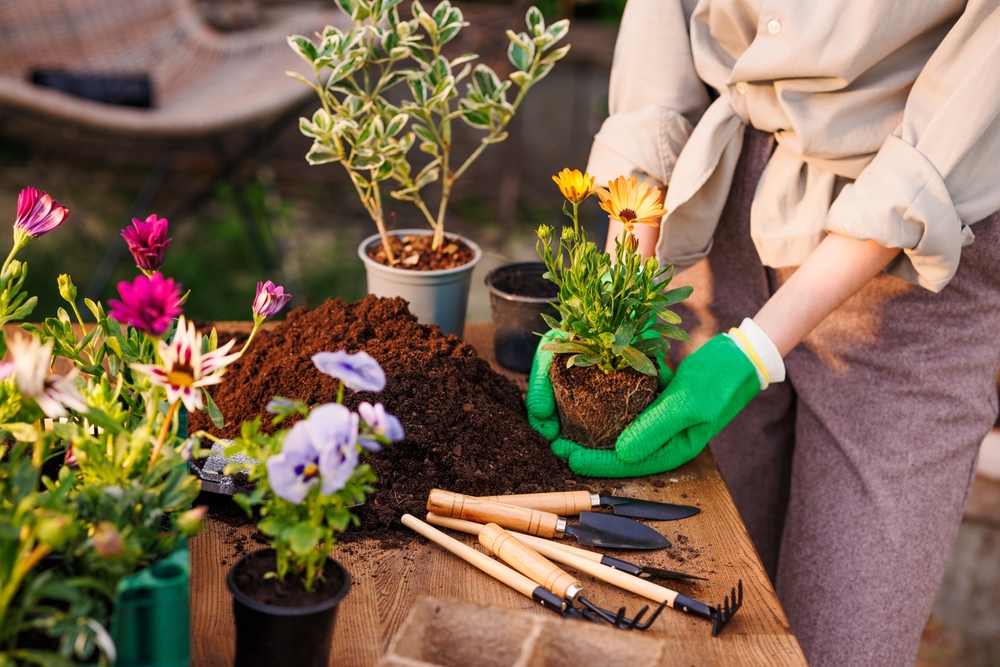
A prosperous garden can quickly turn stressful when plants suddenly droop, stall, or even fail after being moved. That frustrating moment often points to transplant shock, a condition that hits roots hard and slows growth just when success seems within reach. Many gardeners face this issue every season, especially when moving seedlings outdoors or relocating established plants.
Transplant shock does not have to derail gardening plans or waste weeks of hard work. With the right timing, preparation, and aftercare, plants bounce back stronger and often grow better than before. Mastering this process turns gardening from guesswork into confident, consistent success.
What Transplant Shock Really Does To Plants
Transplant shock happens when a plant struggles to adjust after moving from one environment to another. Roots lose stability, water uptake slows, and leaves often droop as the plant redirects energy underground. This stress reaction can stunt growth for days or even weeks if conditions worsen. Many gardeners mistake this slowdown for plant failure, but it actually signals adjustment. Plants essentially shift into survival mode while rebuilding root strength.
The severity of transplant shock depends on how much root disturbance occurs during the move. Plants with fragile or exposed roots react more strongly than those handled gently. Temperature swings, wind exposure, and sunlight intensity also increase stress levels quickly. Strong plants recover faster when gardeners minimize root disruption and maintain consistent moisture. Understanding this process helps prevent panic and encourages better care decisions from the start.
Timing Your Transplant Like A Pro Gardener
Timing plays a massive role in reducing transplant shock and setting plants up for success. Cool, overcast days give plants a gentler transition because they avoid harsh sun and heat stress. Early morning or late afternoon also works best since temperatures stay more stable during those hours. Gardeners who rush transplants during midday heat often trigger unnecessary stress that weakens roots. Smart timing gives plants a calm window to adjust without extra pressure.
Seasonal timing matters just as much as daily timing. Spring and early fall typically provide ideal conditions for most plants across the United States. Soil temperatures stay moderate, which helps roots expand faster and more efficiently. Extreme summer heat or winter cold can sabotage even well-planned transplants. Choosing the right season helps plants settle in naturally instead of fighting environmental extremes.
Soil Prep That Prevents Plant Stress
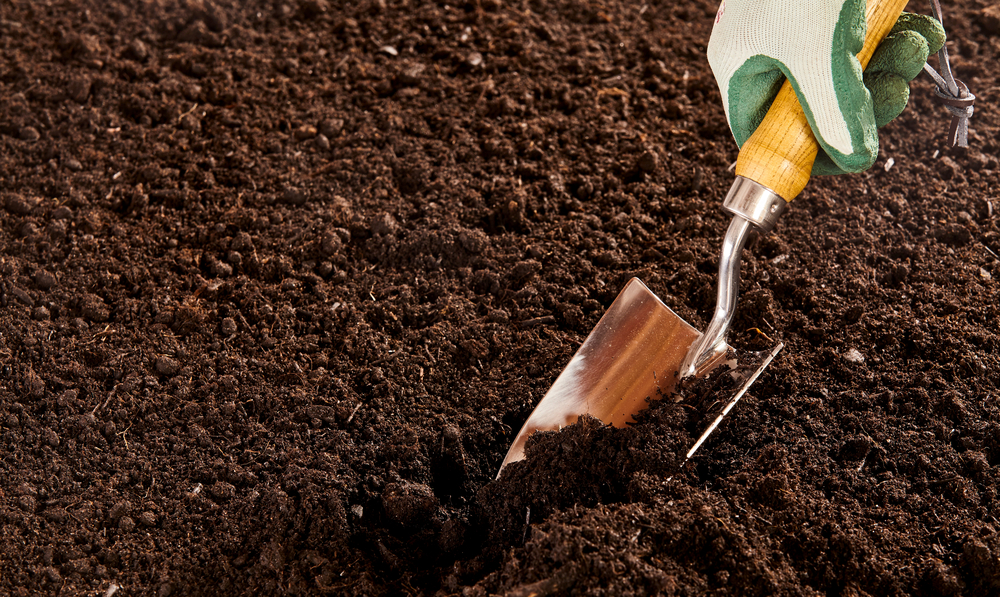
Healthy soil creates a smooth landing zone for transplanted roots and reduces shock significantly. Loose, nutrient-rich soil allows roots to spread quickly and find water without resistance. Gardeners who skip soil preparation often deal with compacted ground that traps roots and slows growth. Adding compost improves texture and boosts microbial activity that supports recovery. Strong soil structure acts like a safety net during the stressful adjustment period.
pH balance also plays a major role in plant success after transplanting. Different plants thrive in different soil conditions, and mismatched pH levels can increase stress. Testing soil before planting helps avoid hidden problems that damage root systems. Organic matter like aged manure or leaf mulch improves both drainage and moisture retention. Well-prepared soil turns a risky move into a smooth transition that plants barely notice.
Watering Strategies That Calm Roots
Watering immediately after transplanting helps roots settle into their new environment. Moist soil reduces air pockets that can dry out delicate root hairs. Consistent watering during the first week keeps plants stable and prevents sudden stress spikes. Overwatering, however, can suffocate roots and create additional problems. Balance matters more than volume when guiding plants through recovery.
Deep watering techniques encourage roots to grow downward instead of staying shallow. This strengthens plants and improves long-term resilience in changing weather conditions. Gardeners who water slowly and thoroughly give plants a better chance to establish strong foundations. Mulching also helps retain moisture and reduces evaporation during hot days. A steady watering routine acts like a calming signal for newly transplanted roots.
Hardening Off Plants Before Move
Hardening off prepares plants for outdoor life by gradually exposing them to sunlight, wind, and temperature changes. This step reduces shock dramatically because plants build resilience before the final transplant. Skipping this process often leads to weak, stressed seedlings that struggle outdoors. Gardeners who rush this stage usually see slower growth and higher failure rates. Gradual exposure creates stronger, more adaptable plants from the start.
The process typically takes about a week and requires consistent daily adjustments. Plants begin in shaded outdoor areas and slowly move into brighter conditions. Wind exposure also increases over time to strengthen stems and leaves. Each step teaches the plant how to handle real-world conditions without overwhelming it. Patience during this phase pays off with healthier transplants later.
Recovery Care After Transplant
Post-transplant care determines how quickly plants bounce back from shock. Shade protection during the first few days reduces stress from direct sunlight. Gentle watering routines help roots reestablish without drowning them. Avoiding fertilizer immediately after transplanting prevents chemical stress on sensitive roots. Careful observation during this stage helps gardeners catch early warning signs of trouble.
Plants often show improvement within a week if conditions stay stable. Wilting usually decreases as roots reconnect with surrounding soil. Gardeners who stay consistent with care routines see faster recovery and stronger growth. Light pruning can also help plants redirect energy toward root development. Recovery care transforms a vulnerable phase into a powerful growth opportunity.
Helping Plants Thrive After the Move
Transplant shock does not have to feel like a gardening mystery or a recurring setback. Smart timing, well-prepared soil, careful watering, and gradual hardening off work together to protect plant health. Each step strengthens roots and builds resilience that pays off throughout the growing season. Gardeners who pay attention to these details often see bigger blooms, stronger vegetables, and healthier landscapes overall. Consistency always wins in gardening, especially during transitions that challenge plant stability.
What gardening tricks have helped make transplanting easier and more successful in your garden? Time to share your advice in our comments section below.
You May Also Like…
The “Hardening Off” Mistake That Leads to Transplant Failure
Tips for Transplanting Without Causing Shock
6 Low-Cost Ways to Improve Heavy Clay Soil for Better Plant Growth
Beat the Summer Heat: The Budget Way to Shade Your Plants for Free
The Molasses Mystery: Why Sugar Makes Your Microbes (And Plants) Go Wild

Brandon Marcus is a staff writer for FrugalGardening.com at District Media, Inc., where he delivers practical gardening advice with a relatable, no-nonsense style. An avid amateur gardener, he holds a BA degree and with over ten years of professional writing experience, he is also an award-winning published author whose first book, Questions For Deep Thinkers, was released by Adams Media. His work has appeared in major publications including Fandom.com, CHUD.com, TheColdWire.com, and Fansided.com.
Leave a Reply