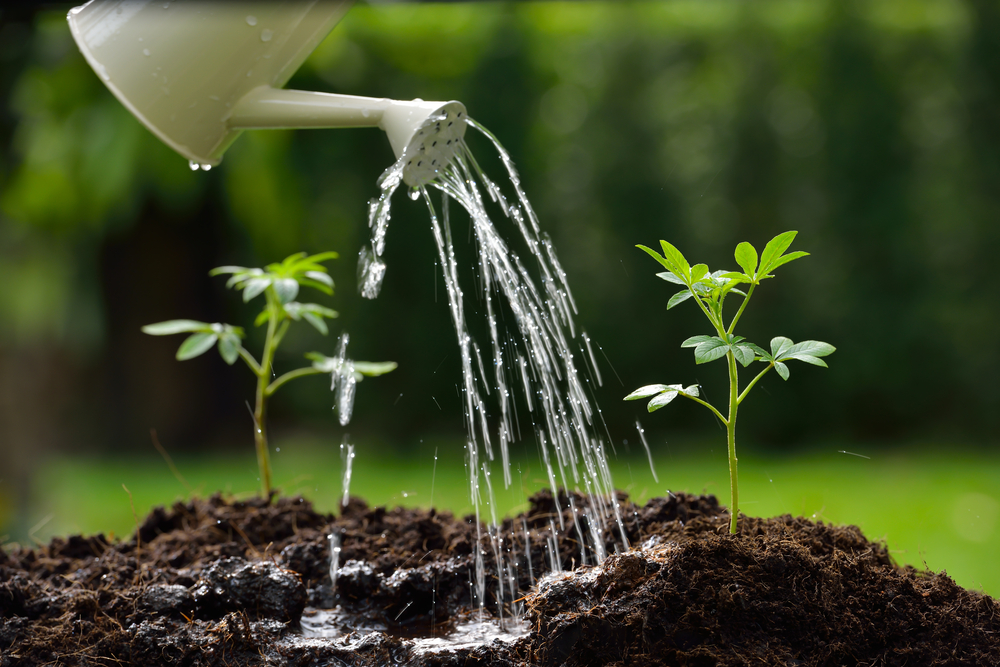
Garden soil often suffers more from kindness than neglect, especially when watering habits go unchecked. Many plants decline not from thirst but from drowning roots trapped in saturated soil that never gets a break. Waterlogged ground blocks oxygen flow, leaving roots suffocating beneath the surface even while leaves look deceptively fresh at first. Gardeners often mistake wilting for dryness and add even more water, accelerating the damage without realizing it.
Overwatering creates a hidden chain reaction that spreads through the entire garden system. Soil microbes shift, beneficial organisms decline, and root structures weaken under constant moisture stress. Plants lose their ability to absorb nutrients properly, which leads to stunted growth and sudden collapse. A garden can look lush one week and completely fail the next when excess water quietly takes control.
What Soggy Soil Really Does Beneath the Surface
Soggy soil suffocates plant roots by filling air pockets that normally deliver oxygen. Without oxygen, roots cannot perform essential functions like nutrient absorption and energy production. This condition creates an environment where harmful fungi and bacteria thrive while beneficial microbes struggle to survive. Root systems begin to decay from the inside out, even when the topsoil still feels rich and fertile.
Once root rot sets in, plants lose stability and strength at a rapid pace. Leaves may yellow, stems may soften, and growth slows dramatically as internal damage spreads. Waterlogged conditions also wash away essential nutrients, leaving plants both hungry and drowning at the same time. Gardens suffering from this condition often require complete soil correction before recovery becomes possible.
Warning Signs That Reveal a Drowning Garden
Plants often send clear distress signals long before collapse, but many gardeners misread them as dryness. Yellowing leaves combined with consistently wet soil often signal oxygen starvation rather than thirst. Mushy stems, foul-smelling soil, and slow growth also point toward excessive moisture levels. Even pests like fungus gnats tend to appear when soil stays too damp for too long.
Another overlooked sign involves the weight of container plants and garden beds. Soil that never lightens after watering signals poor drainage and trapped moisture. Water pooling around plant bases after irrigation confirms that absorption has already failed. Recognizing these signs early helps prevent long-term damage that becomes difficult to reverse.
Smarter Watering Habits That Protect Plant Health
Healthy gardens thrive on deep but infrequent watering rather than constant moisture. Deep watering encourages roots to grow downward in search of hydration, strengthening overall plant resilience. Allowing soil to dry slightly between watering cycles restores oxygen flow and keeps microbial life balanced. Timing also matters, since early morning watering reduces evaporation and prevents overnight dampness buildup.
Gardeners improve results by checking soil moisture before reaching for the hose. A simple finger test or moisture meter helps prevent unnecessary watering sessions. Mulching also helps regulate soil moisture by reducing evaporation while preventing extreme dryness. Smart watering habits create strong, adaptable plants that resist both drought and disease.
Why Balance Beats Extremes in Every Garden
Gardens fail when moisture levels swing too far in either direction, but overwatering causes faster and more dramatic collapse. Plants need consistency rather than constant saturation, since stable conditions allow roots to function efficiently. Balanced watering strengthens soil structure, supports microbial diversity, and promotes steady growth across seasons. Even drought-tolerant plants suffer when soil remains wet longer than nature intended.
Successful gardeners treat water like a tool rather than a constant solution. Observation, patience, and soil awareness create far better results than routine watering schedules alone. Healthy gardens develop when soil breathes freely and roots grow without restriction. Balance always produces stronger plants than excess ever could.
The Quiet Power of Letting Soil Breathe
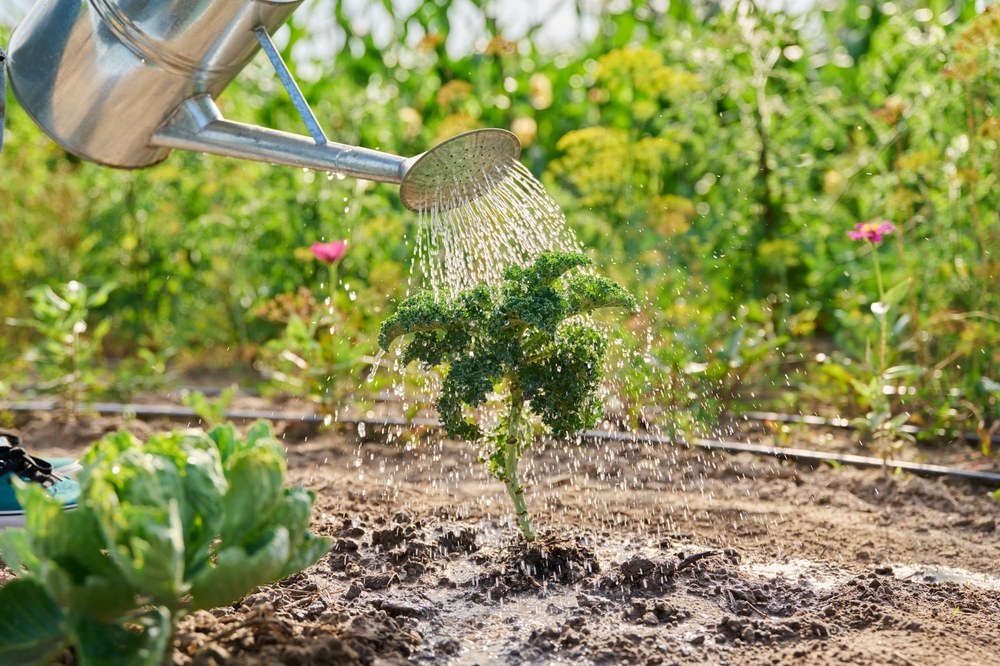
Overwatering destroys more gardens than dry spells because it removes oxygen, disrupts soil life, and weakens roots from within. Plants respond best when moisture levels stay steady, not saturated, and when soil gets time to recover between waterings. Smart gardeners focus on drainage, timing, and observation rather than guesswork or habit. Strong gardens grow from restraint, not excess, and every drop of water should serve a purpose.
What watering habits have caused the biggest surprises in your home garden, and how did those lessons change the approach moving forward? Let’s chat about it below in our comments.
You May Also Like…
The Rainwater Hack: How to Cut Your Water Bill While Growing More Food
Stop Overwatering: The Free Finger Test That Saves Your Water Bill
Why “Self-Watering” Pots are Often a Waste of Cash (And How to DIY Them)
Why Overwatering in March Wastes Money
Why Some Gardeners Are Being Fined for a Little‑Known Watering Rule

Brandon Marcus is a staff writer for FrugalGardening.com at District Media, Inc., where he delivers practical gardening advice with a relatable, no-nonsense style. An avid amateur gardener, he holds a BA degree and with over ten years of professional writing experience, he is also an award-winning published author whose first book, Questions For Deep Thinkers, was released by Adams Media. His work has appeared in major publications including Fandom.com, CHUD.com, TheColdWire.com, and Fansided.com.
Leave a Reply