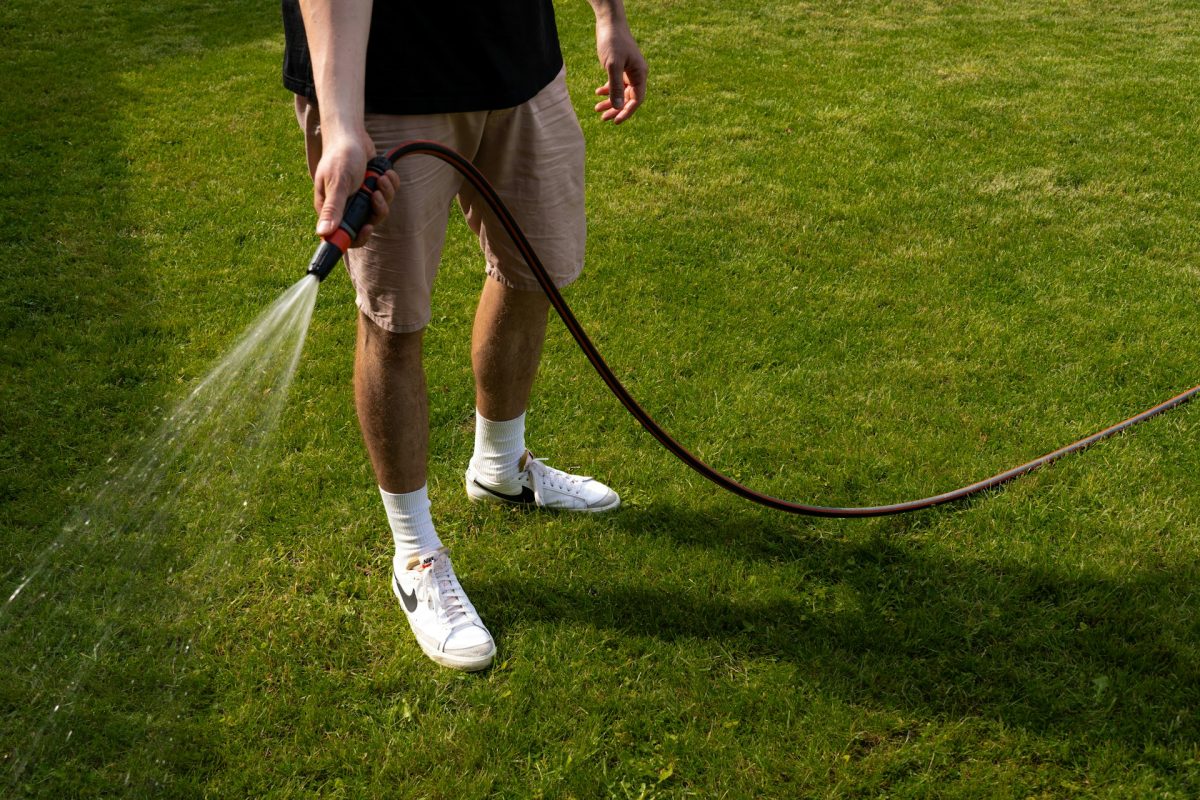
Something surprising happens in neighborhoods across dry seasons: people tend to care deeply for their plants yet unknowingly break a watering guideline that costs real money. Lawns stay green, flowers keep blooming, and hoses keep running late into the evening while local authorities track water use carefully.
The strange part sits in how this rule stays out of sight for many homeowners until a fine arrives in the mailbox with very little warning. Garden lovers often think they follow common sense, but water management laws sometimes run sharper than intuition and friendlier than surprise inspections.
The Timing Trap That Catches Many Kind Gardeners Off Guard
The biggest reason fines happen starts with a simple human habit. Many people water lawns early in the morning because it feels natural, feels responsible, and smells like fresh soil and dew. Authorities actually encourage early watering in many zones because sunlight stays weaker and evaporation stays lower before the day heats up. Trouble begins when homeowners water outside approved windows, especially during drought alerts or summer peak demand hours.
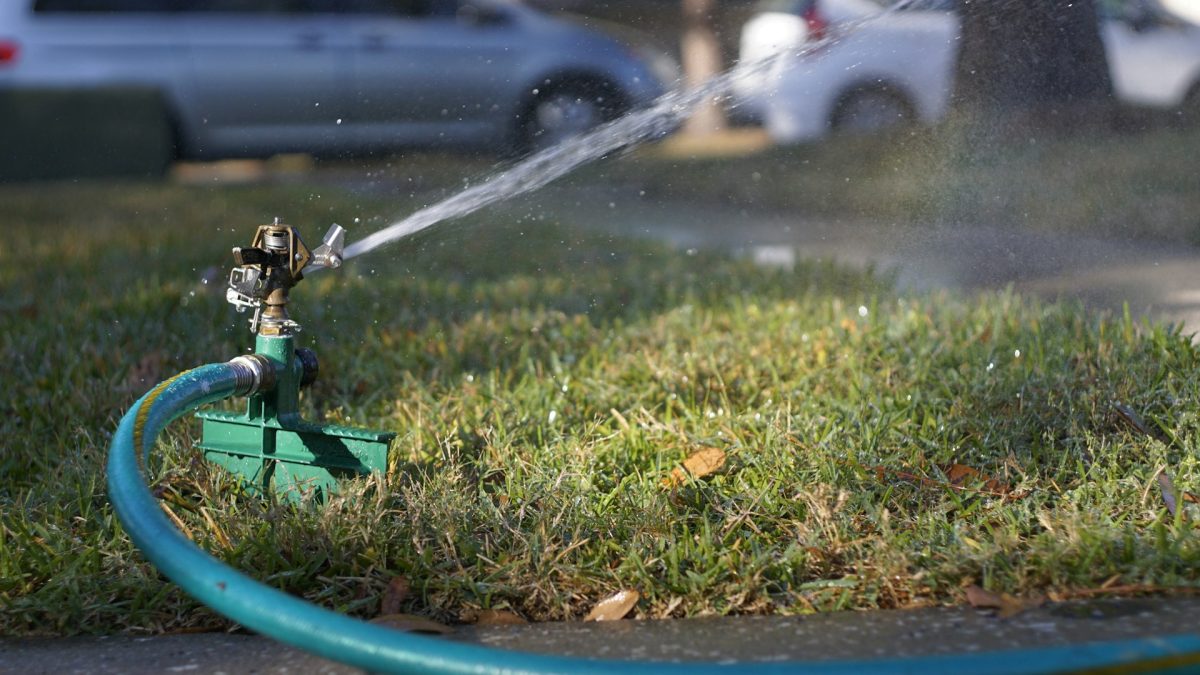
Several jurisdictions enforce specific irrigation windows that change by season. For example, some areas allow watering only between sunrise and 9 a.m. or after sunset when wind movement slows evaporation loss. Using sprinkler systems during midday sunshine sends much of the water straight back into the air before roots absorb it. Even well-meaning gardeners who set automatic timers without updating seasonal schedules can trigger violations.
Why Authorities Care About Lawns When People Only See Grass
Some people feel confused when governments pay attention to residential lawns. Grass may look harmless, but large cities manage massive shared water systems that serve hospitals, apartments, schools, and businesses. Outdoor residential irrigation can consume a surprisingly large portion of summer water demand in suburban zones.
Organizations track consumption patterns because desert regions depend heavily on controlled supply chains. When many households water during the same hot afternoon period, pressure rises inside distribution networks and forces treatment plants to work harder. Conservation rules keep the system stable during peak heat waves.
Climate change and population growth increase pressure on freshwater storage, especially in regions already living near desert ecosystems. Lawns themselves do not create environmental harm, but excessive irrigation wastes treated drinking water that communities may need later during emergencies. Authorities prefer prevention over punishment, yet fines remain necessary when voluntary compliance falls short.
The Fine That Feels Sudden but Usually Follows Warnings
Most people think fines arrive without explanation, but enforcement agencies usually send multiple alerts before issuing penalties. Utility departments often publish conservation notices through mail, online dashboards, or neighborhood announcements during drought periods. The rule itself rarely surprises officials because monitoring systems record water usage spikes or off-schedule irrigation events.
Some cities apply progressive penalty structures. The first violation may trigger a warning, the second may add a small fee, and repeated violations may increase financial consequences. Enforcement teams usually focus on education before punishment because water conservation works best when communities cooperate voluntarily.
Homeowners sometimes discover violations came from broken sprinkler heads that sprayed streets instead of soil. Others learn that children playing in yards accidentally triggered automatic irrigation cycles. Inspecting equipment once every month helps catch mechanical failures early and keeps water moving toward plant roots rather than asphalt.
Growing Beautiful Gardens Without Breaking the Rule
Smart gardening does not mean giving up beauty. It means learning how plants drink. Watering deeply but less frequently encourages roots to grow downward where soil moisture stays more stable. Shallow daily watering teaches roots to stay near the surface where heat damages plants faster.
Adding organic compost helps soil hold moisture longer. Compost acts like a sponge that stores water near roots while improving nutrient circulation. Mulch layers around flowers and shrubs reduce evaporation and keep ground temperature steady during afternoon heat.
Home gardeners can check local conservation websites before planting new lawns or installing decorative fountains. Planning landscapes around regional climate patterns makes maintenance easier over years instead of fighting nature every summer. Technology, soil science, and creativity work together when designing sustainable yards.
Keeping Green Dreams Alive Without Unexpected Tickets
Gardening remains one of the most satisfying hobbies because soil responds quickly to care, sunlight, and patience. The little-known watering rule does not exist to punish plant lovers; it exists to protect water supplies during stressful climate periods. Authorities rarely enjoy issuing fines because education programs usually cost less and build stronger community cooperation.
Checking irrigation schedules, maintaining equipment, and learning local conservation messages help gardeners avoid unpleasant surprises. Landscapes can stay vibrant when water moves slowly, deeply, and wisely into the earth rather than rushing across pavement.
The Real Lesson Beneath the Soil
The key idea behind the rule rests in balance. Plants need water, communities need reliable supply systems, and humans need knowledge about how both connect. Learning local irrigation schedules, watching weather changes, and caring for soil structure create healthier yards and fewer penalties.
Smart gardening mixes science with patience and turns conservation into routine practice rather than emergency response. Small discipline today keeps tomorrow’s garden bright, alive, and safe from unwanted fines.
What watering habits help keep gardens green where you live, and has anyone ever changed irrigation routines after learning about local conservation rules? Let’s discuss it below in our comments section.
You May Also Like…
The Watering Habit That’s Quietly Killing Your Plants (Experts Are Begging Gardeners to Stop)
Are You Overwatering Plants Before They Even Go Outside?
10 Winter Watering Rules for Trees and Shrubs
The Watering Schedule That Saves Roots — and Prevents Ice Damage
12 Crops That Need Extra Watering Before Frost

Brandon Marcus is a staff writer for FrugalGardening.com at District Media, Inc., where he delivers practical gardening advice with a relatable, no-nonsense style. An avid amateur gardener, he holds a BA degree and with over ten years of professional writing experience, he is also an award-winning published author whose first book, Questions For Deep Thinkers, was released by Adams Media. His work has appeared in major publications including Fandom.com, CHUD.com, TheColdWire.com, and Fansided.com.
Leave a Reply