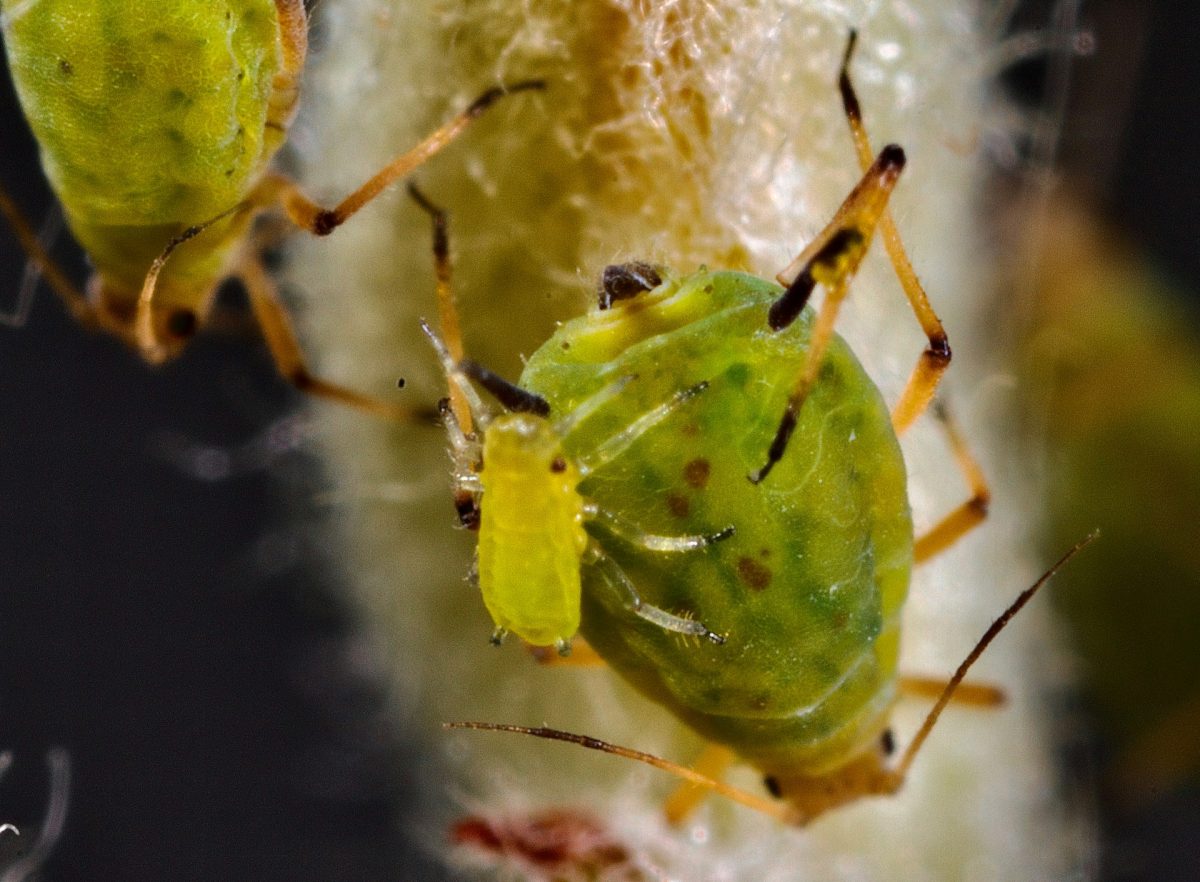
The first clue doesn’t always look dramatic. A fresh flush of green appears on a plant, full of promise and energy, and then something feels off before anything looks truly wrong. Leaves curl just slightly, growth slows down without explanation, and suddenly that vibrant burst of life loses its edge. No holes, no obvious chew marks, no dramatic signs of destruction—just a quiet unraveling that creeps in faster than expected.
That subtle damage points straight to one of the most underestimated plant enemies around: aphids. These tiny insects don’t tear through leaves like caterpillars or beetles. Instead, they drain the life out of new growth with surgical precision, targeting the softest, most vulnerable parts of plants. Their impact builds quickly, and by the time damage becomes obvious, they’ve already made themselves comfortable.
The Tiny Invader That Targets Fresh Growth First
Aphids zero in on new leaves like a magnet, and that focus makes them especially dangerous. Fresh growth contains more nutrients and softer tissue, which gives these insects exactly what they need to feed efficiently and reproduce quickly. They pierce plant tissue and suck out sap, which disrupts the plant’s ability to grow and function normally.
That feeding process doesn’t leave obvious bite marks, so damage often goes unnoticed at first glance. Leaves begin to curl, twist, or yellow, but those changes can look like nutrient issues or environmental stress instead of pest activity. That confusion gives aphids a huge advantage, since they continue feeding while attention drifts elsewhere.
Aphids also reproduce at a speed that feels almost unfair. Many species don’t need to mate to produce offspring, and populations can explode in a matter of days under the right conditions. A small cluster can turn into a full infestation before anyone realizes what’s happening. That rapid growth puts intense pressure on plants, especially during key growth periods in spring and early summer. Plants that should stretch upward and thrive instead stall out and struggle to maintain basic health. Early detection makes all the difference, but aphids don’t make it easy.
Their colors add another layer of difficulty. Aphids come in shades of green, black, yellow, brown, and even pink, which allows them to blend seamlessly into the plants they infest. A quick glance often misses them entirely, especially when they cluster along stems or the undersides of leaves. That camouflage allows them to stay hidden until symptoms grow severe enough to demand attention. By that point, controlling them takes more effort and persistence.
The Warning Signs That Show Up Before It’s Too Late
Plants send signals long before they collapse, and aphids trigger a very specific set of warning signs. Curled or distorted leaves often appear first, especially on new growth. That curling happens because aphids interfere with normal cell development as they feed. Leaves may look crinkled, puckered, or misshapen instead of smooth and uniform. Those changes don’t always scream “pest problem,” which makes them easy to overlook. Paying attention to subtle shape changes can catch an infestation early.
Sticky residue offers another major clue. Aphids produce a substance called honeydew, which coats leaves and stems with a shiny, tacky layer. That residue attracts ants, which protect aphids in exchange for access to this sugary resource. Seeing ants marching up and down a plant often points directly to an aphid colony nearby. Honeydew also encourages the growth of sooty mold, a dark fungus that covers leaves and blocks sunlight. That combination creates a double hit: weakened plants and reduced photosynthesis.
Growth patterns shift as well. Plants under aphid attack often stop producing new leaves or develop stunted shoots. Flowers may fail to open properly, and fruit production can drop dramatically. These changes don’t happen overnight, but they accelerate quickly once aphid populations grow. Watching for slowed growth during peak growing seasons can help catch problems before they spiral. Healthy plants should push forward aggressively during those periods, not hesitate or stall.
Smart, Practical Ways to Stop Aphids in Their Tracks
Quick action changes everything when dealing with aphids. A strong blast of water can knock them off plants and reduce their numbers instantly. This method works best when done consistently, since it disrupts their feeding and reproduction cycles. Targeting the undersides of leaves and stems ensures better results, because that’s where aphids tend to hide. This approach doesn’t eliminate them completely, but it creates a strong first line of defense. Regular follow-ups keep populations under control.
Natural predators offer powerful support as well. Ladybugs, lacewings, and parasitic wasps all feed on aphids and can help restore balance in a garden. Encouraging these beneficial insects creates a long-term solution instead of a temporary fix. Planting a variety of flowers and avoiding broad-spectrum pesticides can attract and protect these allies. A healthy ecosystem often handles aphids more effectively than constant intervention. Letting nature do some of the work can save time and effort.
Insecticidal soaps and neem oil provide targeted treatment when infestations grow more serious. These options coat aphids and disrupt their ability to feed and survive. Applying them carefully, especially during cooler parts of the day, prevents damage to plants and reduces stress. Consistency matters here, since one treatment rarely solves the problem completely. Repeating applications as needed ensures better control. Combining these methods with regular monitoring creates a strong, effective strategy.
Prevention Moves That Keep Plants Strong and Aphid-Free
Healthy plants resist pests more effectively, and that principle plays a huge role in aphid prevention. Proper watering, balanced nutrients, and good airflow create conditions that support strong growth. Weak or stressed plants attract aphids more easily, so maintaining plant health acts as a powerful first defense. Regular inspection also helps catch early signs before they escalate. Checking new growth closely can reveal problems while they remain manageable.
Companion planting adds another layer of protection. Certain plants, like garlic, chives, and marigolds, can deter aphids or attract beneficial insects that feed on them. Mixing these plants into a garden creates a more resilient environment. Diversity reduces the chances of large infestations taking hold. A varied garden often balances itself more effectively than a uniform one.
Pruning plays a role as well. Removing heavily infested growth can stop aphids from spreading further. This step also improves airflow and allows plants to focus energy on healthy development. Disposing of cuttings properly prevents reinfestation. Staying proactive keeps small problems from turning into major setbacks. Every small action adds up to a stronger, more resilient garden.
Small Insects, Big Consequences
Aphids may look harmless at first glance, but their impact tells a very different story. They target the exact parts of plants that matter most, and they move quickly enough to cause real damage before obvious signs appear. Ignoring subtle changes gives them the upper hand, while early action keeps them under control. Simple habits like regular inspection, quick intervention, and smart planting choices can make a huge difference.
Gardens thrive on attention and awareness, and aphids test both constantly. Staying one step ahead turns a frustrating problem into a manageable one, and that shift changes the entire gardening experience. Strong, healthy plants reward that effort with better growth, better blooms, and better results overall.
What strategies have worked best against aphids in your yard, or what signs have raised red flags in the past? Share thoughts, tips, or even surprising pest stories in the comments section for others to hear.
You May Also Like…
Experts Predict a Massive Aphid Explosion This Spring — Here’s Why
Why Some Gardens Attract More Pests
March Garden Pests That Hide Underground
Why January Is the Best Time to Prevent Garden Insect Infestations
7 Insects Experts Warn Can Hitchhike Into Your House From the Garden

Brandon Marcus is a staff writer for FrugalGardening.com at District Media, Inc., where he delivers practical gardening advice with a relatable, no-nonsense style. An avid amateur gardener, he holds a BA degree and with over ten years of professional writing experience, he is also an award-winning published author whose first book, Questions For Deep Thinkers, was released by Adams Media. His work has appeared in major publications including Fandom.com, CHUD.com, TheColdWire.com, and Fansided.com.
Leave a Reply