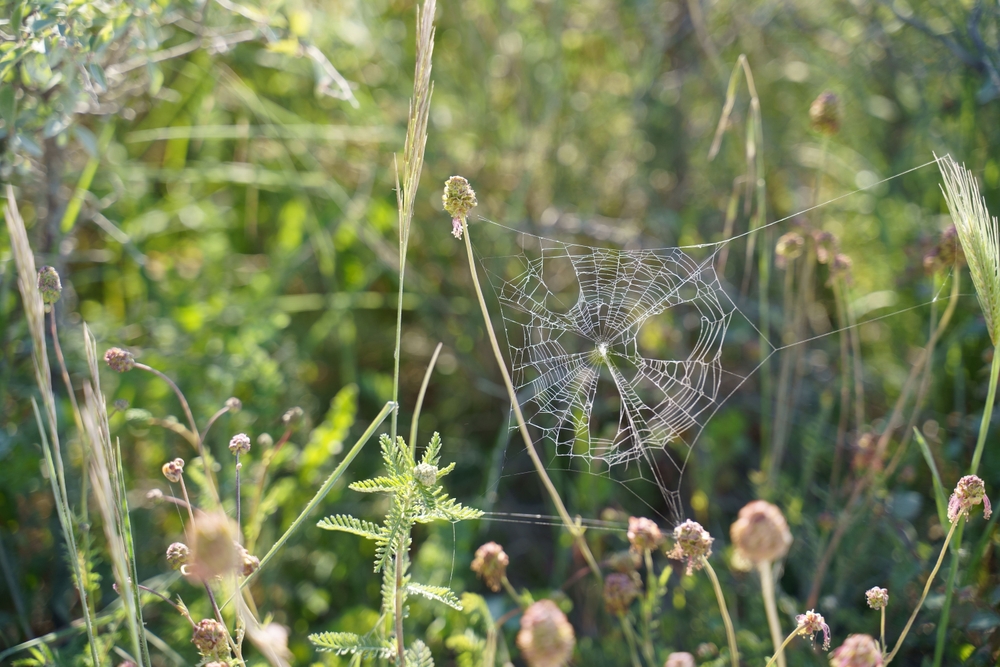
The crisp chill of January might make you think the garden is asleep, but beneath the frost, the stage is already set for a summer invasion. Garden insects may be hibernating or hidden, but savvy gardeners know that early preparation can save months of frustration. While most people are still cozying up with hot cocoa, January is the secret weapon month for pest prevention.
Acting now gives your plants a fighting chance, ensuring vibrant blooms and thriving vegetables later. Winter may seem quiet, but it’s actually the perfect time to outsmart insects before they even think about striking.
Understand Insect Life Cycles Early
Insects operate on their own schedules, and January is the perfect time to study them. Many garden pests overwinter as eggs or larvae, quietly waiting for warmer days to feast. Knowing when and where these pests hide allows you to disrupt their life cycles before they explode into chaos. For instance, aphids and whiteflies often lay eggs in tree bark or plant debris, making winter cleanup essential. By anticipating these patterns, you can strike at the root of the problem rather than reacting when damage is already done.
Clean Up Debris And Dead Plant Material
Winter garden cleanup isn’t just about aesthetics—it’s a frontline defense against pests. Leaves, fallen branches, and old plant stalks create cozy hideouts for eggs and larvae. Removing this debris deprives pests of shelter and reduces their chances of surviving the cold months. Composting carefully or discarding infected material helps prevent the spread of diseases as well. A tidy garden in January sets the stage for a healthy, pest-free growing season.
Inspect Trees And Shrubs For Early Infestations
January is ideal for a close inspection of trees and shrubs. Without dense foliage, branches and trunks are easier to examine for signs of insect activity. Look for tiny eggs, galls, or frass—those little insect droppings that signal hidden infestations. Early detection allows for targeted treatment before pests multiply. Acting now is far less disruptive than trying to save plants once insects have established a foothold.
Apply Dormant Oils And Organic Sprays
Dormant oils are like a shield for your garden during the quiet winter months. These oils smother overwintering insect eggs on trees and shrubs, preventing springtime hatches. Organic sprays, like neem oil or horticultural oils, are safe for the environment yet deadly to many pests. January applications give these treatments plenty of time to work before plants break dormancy. Regular attention during this period keeps insect populations low and your garden healthy.

Plan Companion Planting For Natural Pest Control
January is also a great time to strategize your garden layout with pest prevention in mind. Companion planting can repel insects naturally while improving plant health. For example, marigolds deter nematodes, basil repels aphids, and garlic confuses spider mites. By planning now, you can maximize the benefits of these natural alliances when spring arrives. Thoughtful planting reduces your reliance on chemical interventions later in the season.
Scout And Repair Garden Barriers
Physical barriers are another January task that pays off all year. Netting, row covers, and fences can stop insects from reaching vulnerable plants once they emerge. Check for holes, gaps, or weak points that could allow pests inside. Repairing and upgrading these defenses now ensures that no early invaders slip through unnoticed. Prevention with barriers is always easier than fighting an established infestation later.
Start Healthy Seedlings With Pest Prevention In Mind
Many gardeners begin their seeds indoors during January, giving them a head start on spring. Starting seeds in clean containers with fresh soil reduces the chance of introducing pests early. Monitoring seedlings for any signs of fungal gnats or aphids can prevent problems before they spread. Strong, healthy plants from the start are naturally more resilient to insects. Proactive seedling care pays dividends once they hit the garden beds.
Keep Soil Healthy To Discourage Pests
Healthy soil is the unsung hero of pest prevention, and January is the perfect month to improve it. Adding compost, mulch, or cover crops enriches soil while suppressing overwintering insects. Proper soil management also encourages beneficial insects like ladybugs and predatory nematodes. These natural allies help control pest populations without chemicals. By preparing the soil now, you create an environment that supports strong, resilient plants and fewer insect problems.
Monitor Weather Patterns And Plan Accordingly
Even in winter, weather influences insect activity. Warmer-than-usual spells can trigger early hatches, while prolonged cold can reduce pest survival. Keeping an eye on local temperatures and forecasts helps you anticipate and respond to these fluctuations. You can adjust planting schedules, protective measures, and treatments based on predicted insect behavior. Being proactive with timing keeps your garden one step ahead of pests all season long.
Celebrate Small Wins And Track Progress
Finally, January is the perfect time to start a garden log for pest prevention. Recording observations, treatments, and plant health allows you to track what works and what doesn’t. Celebrating even small wins, like spotting and removing a few eggs, keeps motivation high. Over time, these notes create a blueprint for smarter, easier garden management. Early, consistent attention pays off with fewer pests and healthier plants throughout the year.
Your Winter Garden Advantage
Starting pest prevention in January gives your garden a head start on insects, diseases, and other challenges. By cleaning debris, inspecting plants, using dormant oils, planning companion planting, and strengthening soil, you set the stage for a flourishing, pest-resistant garden. Even small efforts now can prevent months of frustration and protect your plants when they need it most.
We want to hear from you! Tell us about your January pest prevention strategies, your successes, or any lessons learned in the comments section below.
You May Also Like…
9 Plants That Attract Beneficial Insects Even in Cold Weather
How to Spot Overwintering Insects in Mulch
8 Insects That Actually Help in Fall Gardens
7 Innocent-Looking Shrubs That Harbor Invasive Insects
6 Garden Pests That Hibernate in Your Soil

Brandon Marcus is a staff writer for FrugalGardening.com at District Media, Inc., where he delivers practical gardening advice with a relatable, no-nonsense style. An avid amateur gardener, he holds a BA degree and with over ten years of professional writing experience, he is also an award-winning published author whose first book, Questions For Deep Thinkers, was released by Adams Media. His work has appeared in major publications including Fandom.com, CHUD.com, TheColdWire.com, and Fansided.com.
Leave a Reply