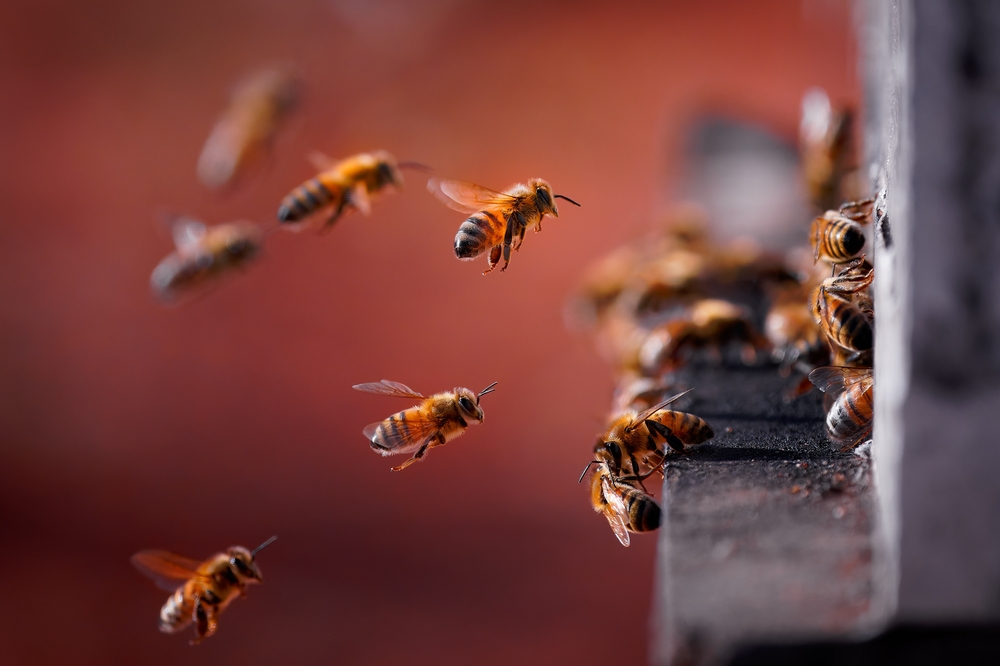
Bees are more than just cute little fuzzballs buzzing around. They are the ultimate gardeners, tiny dynamos responsible for pollinating one-third of the world’s crops and keeping ecosystems humming. Yet, their numbers have been declining, and suddenly, even the smallest patch of green in a backyard feels like a frontline in the fight to save these vital pollinators. Imagine turning your ordinary yard into a buzzing utopia without needing acres of land. It’s not just possible—it’s downright fun.
Transforming a small space into a bee haven is not about tossing in a few flowers and hoping for the best. It’s about creating a strategic symphony of colors, scents, and textures that makes bees feel like they’ve stumbled into paradise. From selecting the right blooms to designing mini habitats, every decision can make your yard irresistible to these hardworking insects.
1. Flowers That Make Bees Faint with Joy
Not all flowers carry the same appeal to bees, so picking the right ones can turn a bland garden into a buzzing festival. Bees are particularly attracted to flowers in blue, purple, yellow, and white shades. They don’t see red very well, so while roses might look pretty to humans, they won’t necessarily draw in a crowd of bees. Native flowers are a secret weapon here because local bees have evolved alongside them and find their nectar irresistible. Plants like coneflowers, bee balm, lavender, and goldenrod deliver the flavor, color, and pollen that bees can’t resist.
Spacing matters just as much as selection. Crowding flowers together creates a feast-like effect, allowing bees to move from bloom to bloom efficiently, which makes them more likely to stick around. Planting in clusters rather than scattering flowers individually can amplify visual appeal and smell, giving a small yard a bigger impact. Even a small balcony can benefit from this approach; a container of lavender with a pot of bee balm nearby can create a concentrated hotspot for pollinators. Over time, bees remember these areas as reliable food sources, and a once-quiet yard can become a buzzing hub of activity.
2. Herbs Aren’t Just for Cooking
Herbs are a double bonus—they make meals taste amazing and lure bees like magic. Plants like thyme, oregano, basil, mint, and rosemary offer both fragrant flowers and accessible nectar. Bees can forage on these herbs repeatedly, and many of them bloom multiple times during the growing season, providing consistent food for pollinators. Even a windowsill or small raised garden bed can become a bee-friendly buffet when you mix herbs strategically.
Container gardening is especially useful here. Pots can be moved to optimize sunlight exposure and protect delicate herbs from harsh weather. Grouping herbs with complementary flowering times ensures there’s always something blooming, which keeps bees returning week after week. It’s also a great excuse to experiment with unusual herbs like catnip or lemon balm, which can add unique aromas to your garden and delight both pollinators and humans. The small space doesn’t limit the impact; smart layering and thoughtful placement maximize both growth and attraction.
3. Mini Habitats: Little Homes for Big Buzz
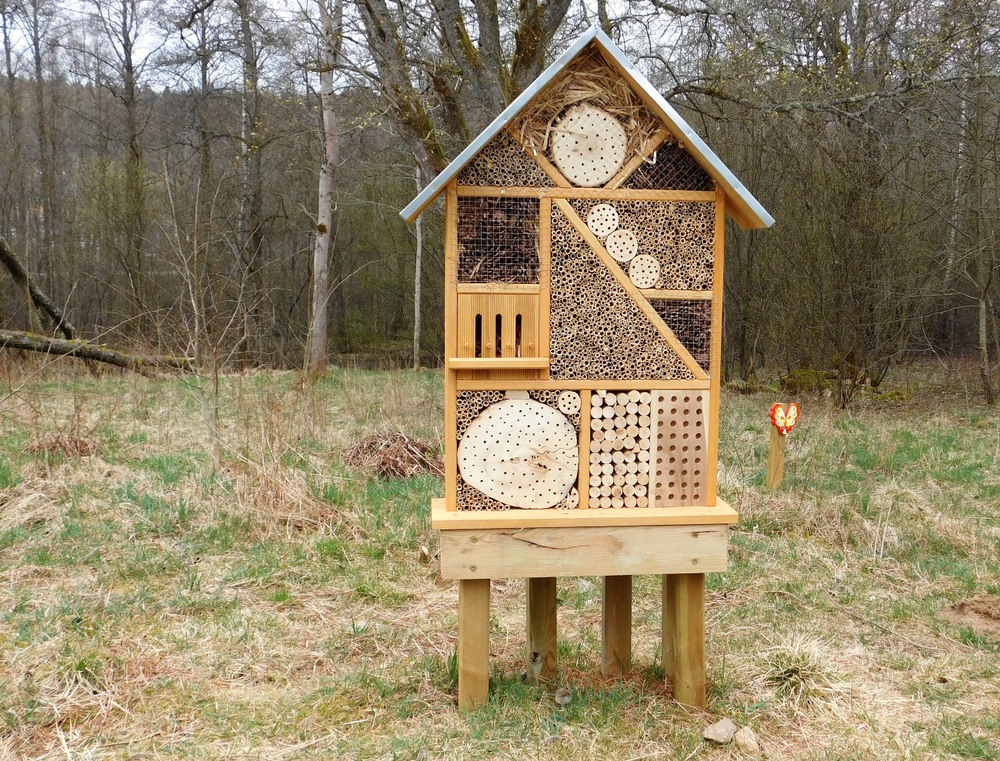
Bees need more than flowers—they need safe spots to rest, lay eggs, and shelter from predators. Not all bees live in hives; many solitary species nest in soil, wood, or hollow stems. Creating a small “bee hotel” is a perfect way to invite these little guests. These can be made from bundled bamboo, drilled wood blocks, or even stacked bricks with holes, providing secure nesting spots that mimic nature. Positioning these habitats in sunny, sheltered areas helps bees feel protected and encourages them to stick around longer.
Even the smallest corners of a yard can provide shelter. Leaving some bare patches of soil allows ground-nesting bees to thrive, while small piles of twigs or leaves can support nesting and overwintering. Avoiding pesticides is crucial because chemical residues can be deadly to bees, so organic gardening practices are not just a bonus—they’re essential. By combining food sources with safe nesting areas, even tiny yards can become thriving ecosystems where bees feel at home and can perform their pollination magic day after day.
4. Water: Tiny Puddles That Keep Bees Buzzing
Water sources are often overlooked but are vital to a bee-friendly garden. Bees don’t just drink; they use water to regulate hive temperature and feed young bees. A small shallow dish filled with water, pebbles, or floating cork pieces provides a safe landing space and helps prevent drowning. Refill the water regularly, especially during hot or dry periods, to maintain a constant hydration point.
Water can also be a design opportunity. Decorative birdbaths, saucers, or even miniature fountains can create a functional yet attractive feature for both bees and humans. Positioning the water near flowering clusters encourages bees to linger, increasing pollination activity in the immediate area. Combining these elements—flowers, herbs, habitats, and water—creates a self-sustaining micro-environment that feels alive and vibrant without taking over the yard. It’s the kind of garden that’s not just practical but also visually enchanting.
5. Seasonal Planning: Keep the Buzz Year-Round
A bee-friendly yard doesn’t have to hibernate in the winter. Planning for seasonal blooms ensures bees always have access to nectar and pollen. Early spring bulbs like crocuses and snowdrops kick off the season, while late summer and fall perennials like sunflowers and asters keep the buffet going until frost. Mixing early, mid, and late bloomers guarantees that the garden stays attractive across months rather than just a few weeks.
Mulching and maintaining plant health also contributes to year-round appeal. Healthy plants produce more nectar and pollen, which makes them even more attractive to bees. Even in a small space, layering flowers, herbs, and mini habitats strategically keeps the yard dynamic and buzzing throughout the season. Small tweaks like adding a few potted late-blooming flowers or rotating container herbs can make a huge difference in keeping the garden lively and productive.
Buzzing Backyards
Even a backyard that barely qualifies as a yard can make a massive difference for local bee populations. With the right flowers, herbs, nesting areas, water, and seasonal planning, small spaces can turn into bustling micro-ecosystems teeming with life. Bees respond to consistency and accessibility, so the effort invested pays off with more visits, increased pollination, and a visually stunning, lively garden. The best part? Each bee that comes to your yard contributes to a larger web of environmental health that stretches far beyond your fence.
Which combinations of flowers, herbs, and habitats would make your backyard the ultimate bee hangout? Share your strategies, success stories, or favorite tips in the comments below and keep the buzz alive.
You May Also Like…
7 Garden Tasks to Protect Bees in Autumn
9 Backyard Bugs That Can Damage Plants Before Summer
9 Natural Ways to Deter Snails Without Harming Pets or Pollinators
March Bugs That Target Tender New Leaves
9 Plants That Attract Beneficial Insects Even in Cold Weather

Brandon Marcus is a staff writer for FrugalGardening.com at District Media, Inc., where he delivers practical gardening advice with a relatable, no-nonsense style. An avid amateur gardener, he holds a BA degree and with over ten years of professional writing experience, he is also an award-winning published author whose first book, Questions For Deep Thinkers, was released by Adams Media. His work has appeared in major publications including Fandom.com, CHUD.com, TheColdWire.com, and Fansided.com.
Leave a Reply