Winter doesn’t have to mean a lifeless garden or a silent backyard. Even when frost creeps in and most plants retreat, some hardy heroes keep buzzing with activity, quietly supporting pollinators and pest-fighting insects that refuse to clock out for the season. Cold weather gardening isn’t about fighting nature—it’s about teaming up with it. With the right plants, your outdoor space can become a cozy insect hangout even when temperatures drop.
Get ready to meet the resilient plants that keep your garden alive, balanced, and buzzing when others call it quits.
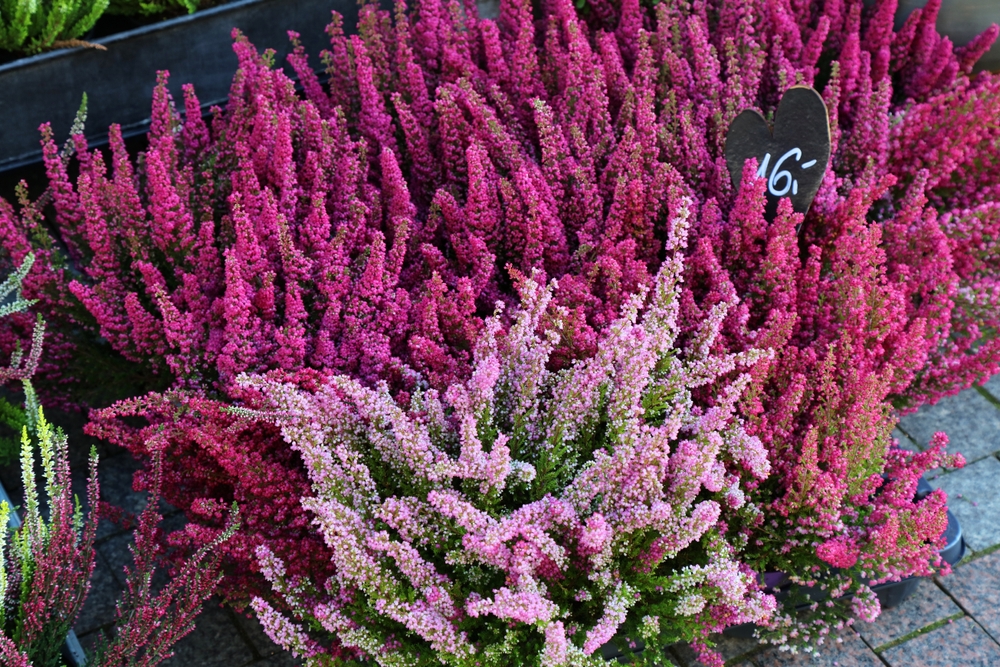
1. Winter Heather (Erica Carnea)
Winter heather is a cold-season showoff, blooming with pinks and purples when most plants are fast asleep. Its nectar-rich flowers are a lifeline for early-emerging bees and other pollinators desperate for food. This low-growing evergreen thrives in cold climates and even tolerates snow cover. Because it blooms from late winter into early spring, it bridges a critical food gap. Gardeners who plant it often notice more insect activity long before spring officially arrives.
2. Witch Hazel (Hamamelis)
Witch hazel is the botanical equivalent of a winter firework show, with ribbon-like flowers that explode in yellow, orange, or red during the coldest months. Its blooms provide nectar for hardy insects like winter moths and late-season pollinators. The plant’s fragrance also acts as a beacon, guiding insects when few other scents are available. Beyond insect support, it adds dramatic visual interest to a dormant landscape. It’s proof that beauty and function can thrive together in the cold.
3. Hellebore (Lenten Rose)
Hellebores are winter warriors, often flowering through snow and frost without complaint. Their downward-facing blooms shelter pollinators from wind and cold while offering valuable nectar. Early bees, especially bumblebees, frequently visit these plants when options are scarce. Hellebores are also long-lived perennials, making them a smart long-term investment. Their evergreen foliage keeps gardens looking lush even in the bleakest months.
4. Mahonia (Oregon Grape)
Mahonia brings bold texture and bright yellow flowers to winter landscapes. These blooms are rich in nectar and attract beneficial insects like hoverflies and early bees. Its spiky evergreen leaves also provide shelter for insects seeking refuge from harsh weather. Later in the season, the berries support birds, adding another layer of ecological value. Mahonia proves that one plant can support an entire mini-ecosystem.
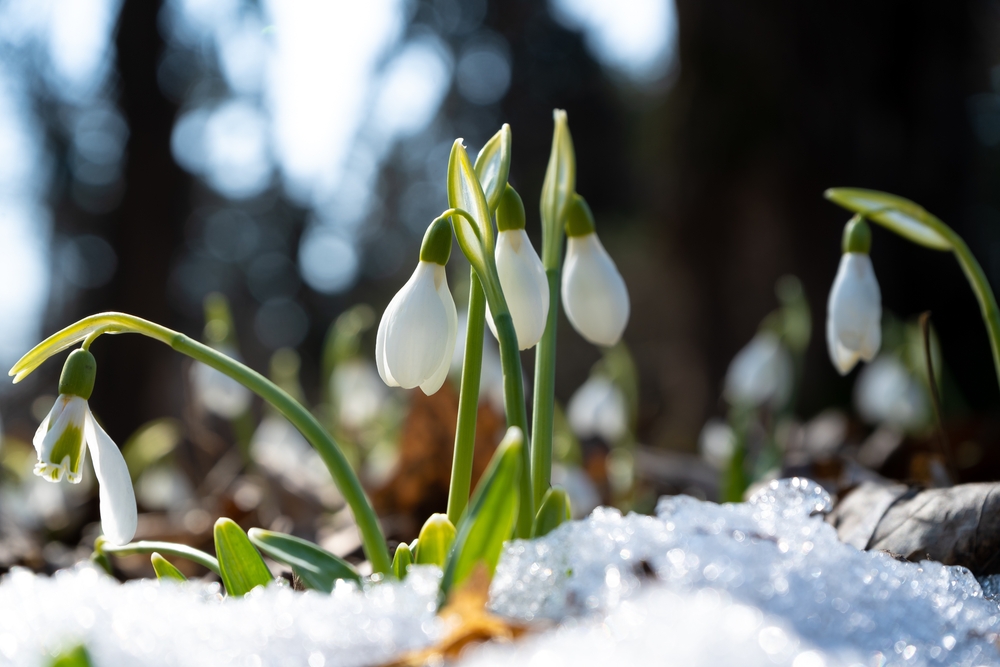
5. Snowdrops (Galanthus)
Snowdrops are often the first flowers to push through frozen soil, earning their reputation as symbols of hope. Their delicate white blooms provide critical early-season nectar for awakening pollinators. Despite their fragile appearance, they’re tough enough to thrive in cold, damp conditions. Clusters of snowdrops can create a reliable feeding station year after year. They’re small, but their ecological impact is mighty.
6. Winter-Blooming Honeysuckle (Lonicera Fragrantissima)
This unassuming shrub delivers a powerful punch of fragrance in late winter. Its creamy white flowers attract insects from surprising distances when little else is in bloom. Bees, in particular, are drawn to its rich nectar supply. The plant itself is low-maintenance and adaptable to many soil types. It quietly turns cold gardens into active pollinator zones.
7. Ivy (Hedera Helix)
Often underestimated, ivy plays a crucial role in supporting insects during colder months. Its late-season flowers provide nectar when most plants are finished blooming. Ivy also offers shelter for overwintering insects, making it a valuable habitat plant. While it should be managed carefully, its ecological benefits are significant. In winter gardens, ivy becomes a vital lifeline rather than a nuisance.
8. Calendula (Pot Marigold)
Calendula may look cheerful and delicate, but it’s surprisingly cold-tolerant. In mild winters, it continues blooming and feeding beneficial insects like hoverflies and small bees. Its bright orange and yellow flowers act as visual beacons in dull landscapes. Calendula also self-seeds easily, ensuring future generations of blooms. It’s a cheerful reminder that color and life don’t have to disappear in the cold.
9. Rosemary (Cold-Hardy Varieties)
Certain rosemary varieties can handle chilly temperatures and still flower during cooler months. When they do, they attract bees that are active whenever conditions allow. Rosemary’s aromatic foliage also offers shelter and microclimates for small insects. Beyond its culinary value, it quietly supports biodiversity all winter long. Few herbs work this hard year-round.
Let Your Garden Work Year-Round
Cold weather doesn’t have to mean a silent, lifeless garden. With the right mix of resilient, insect-friendly plants, you can create a space that hums with quiet life even in winter’s grip. These nine plants prove that supporting beneficial insects isn’t limited to spring and summer—it’s a year-round opportunity. A garden that works through the cold builds stronger ecosystems and healthier growing seasons ahead.
If you’ve had success with winter-friendly plants or surprising insect visitors, we’d love to hear your experiences and thoughts in the comments below.
You May Also Like…
Can Your Garden Recover After a Harsh Winter Freeze?
6 Cold Weather Herbs That Keep Producing Indoors
11 Evergreen Tree Choices for Small Urban Winter Gardens
7 Container Gardens You Can Move Indoors for Winter Success
Why Leaf Piles Attract Beneficial Insects

Brandon Marcus is a staff writer for FrugalGardening.com at District Media, Inc., where he delivers practical gardening advice with a relatable, no-nonsense style. An avid amateur gardener, he holds a BA degree and with over ten years of professional writing experience, he is also an award-winning published author whose first book, Questions For Deep Thinkers, was released by Adams Media. His work has appeared in major publications including Fandom.com, CHUD.com, TheColdWire.com, and Fansided.com.
Leave a Reply