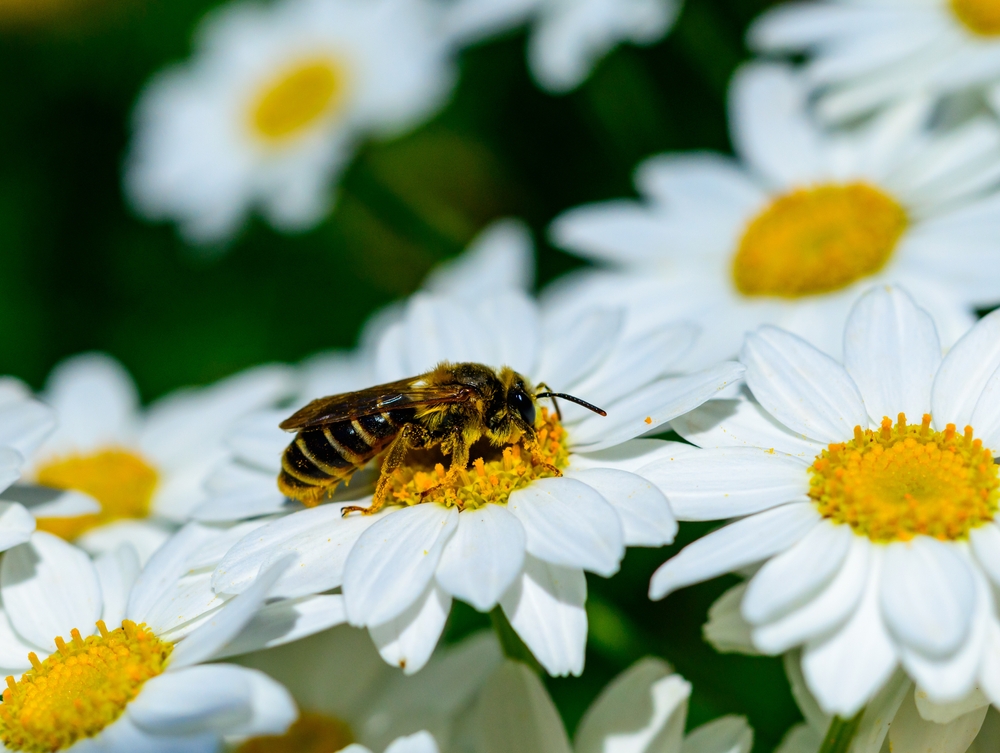
The air cools, leaves begin to tumble, and your garden starts its slow drift toward winter sleep. But while many people pack away their tools, the bees are still busy—frantically preparing for colder days ahead. Autumn is one of the most crucial times to give them a hand.
These tiny pollinators don’t just vanish when the flowers fade; they rely on smart gardeners like you to make sure they survive until spring. So before you hang up your gloves, here are seven lively, meaningful garden tasks that help protect bees when the temperatures drop.
1. Leave the Leaves (Really, Leave Them!)
You might be tempted to rake everything until your lawn looks like a magazine cover, but bees beg to differ. Leaf litter is a secret hotel for many pollinators—especially solitary bees that burrow under leaves to stay warm through winter. By leaving a light layer of leaves in your flower beds or along fence lines, you’re creating natural insulation and hiding spots for overwintering bees. It’s an easy, low-effort way to turn your garden into a tiny wildlife sanctuary. Plus, decomposing leaves enrich the soil, so it’s a win for your plants too.
2. Don’t Deadhead Everything
Yes, tidy gardens look great, but the urge to clip and clean can unintentionally starve your bees. Those fading flowers and dry seed heads might seem like garden clutter, but they still hold pollen and nectar that late-season bees depend on. Some species even crawl into hollow stems to hibernate through the cold months. Instead of cutting everything back, leave some stems standing tall until spring. Your garden will look wild and wonderful—and the bees will thank you for the shelter and food.
3. Plant Fall-Blooming Favorites
Who says flowers are just for summer? Autumn can still be a buffet for pollinators if you choose the right blooms. Asters, goldenrods, sedums, and late-blooming sunflowers are some of the bees’ top picks this time of year. They provide a last-minute nectar fix before the frost rolls in. If you plant these beauties now, not only will your garden stay colorful longer, but you’ll also help bees stock up on energy for the chilly months ahead.
4. Create a Cozy Bee Hotel
Think of this as the Airbnb for your local pollinators. Many native bees, unlike honeybees, live alone and need small cavities or hollow stems to lay their eggs. A bee hotel—made from bamboo sticks, drilled wood blocks, or bundled reeds—gives them the perfect place to rest and nest. Place it in a sunny, sheltered spot facing southeast to catch the morning light. Come spring, you might just spot new bees emerging from their winter homes, buzzing straight into your flower beds.

5. Avoid Chemicals at All Costs
Autumn often tempts gardeners to go on a pest-control spree, but pesticides, herbicides, and even some fertilizers can spell disaster for bees. These chemicals linger in soil and plant matter, poisoning pollinators long after they’re applied. Instead, opt for natural alternatives like neem oil, insecticidal soaps, or companion planting to deter unwanted bugs. Remember, a few nibbled leaves won’t ruin your garden, but chemical residues can destroy an entire colony. Keeping your garden organic means you’re giving bees—and the planet—a safer place to thrive.
6. Add a Watering Station
Even as temperatures cool, bees still need a clean, shallow water source to stay hydrated. A simple dish filled with pebbles and water does the trick, allowing bees to land safely without drowning. Change the water every few days to keep it fresh and prevent mosquitoes from moving in. If you want to go the extra mile, add a few floating corks or marbles for extra landing space. It’s a small gesture that makes a big difference in helping bees survive the season comfortably.
7. Grow or Preserve Native Plants
Native plants are like home-cooked meals for bees—they’re familiar, nutritious, and easy to digest. Unlike exotic blooms that may not provide the right kind of nectar, local flora supports native bee species throughout their entire lifecycle. Autumn is a great time to plant perennials that will establish roots over winter and bloom beautifully next spring. Goldenrod, coneflower, milkweed, and wild bergamot are crowd favorites among pollinators. By building a native plant garden, you’re creating a sustainable ecosystem that keeps bees coming back year after year.
Small Acts, Big Impact
Helping bees doesn’t require a grand gesture—it’s the small, thoughtful changes that make the biggest difference. Leaving some leaves, skipping the chemicals, and offering food and shelter all add up to a thriving pollinator paradise. Autumn isn’t just the end of the gardening season—it’s the beginning of next year’s success for both plants and bees. When you make your garden bee-friendly, you’re not just helping the environment—you’re protecting the heartbeat of nature itself.
Have you tried any of these bee-saving garden tasks this fall? Share your thoughts, tips, or favorite pollinator stories in the comments below.
You May Also Like…
- Why Bees Seek Late-Blooming Flowers in Autumn
- 12 Ways to Use Pumpkin Scraps in the Garden
- 6 Wildflowers to Scatter Before the Snow Comes
- Why You Should Never Skip Cleaning Garden Tools in Autumn
- 6 Gardening Shortcuts That Only Work in Autumn

Brandon Marcus is a staff writer for FrugalGardening.com at District Media, Inc., where he delivers practical gardening advice with a relatable, no-nonsense style. An avid amateur gardener, he holds a BA degree and with over ten years of professional writing experience, he is also an award-winning published author whose first book, Questions For Deep Thinkers, was released by Adams Media. His work has appeared in major publications including Fandom.com, CHUD.com, TheColdWire.com, and Fansided.com.
Leave a Reply