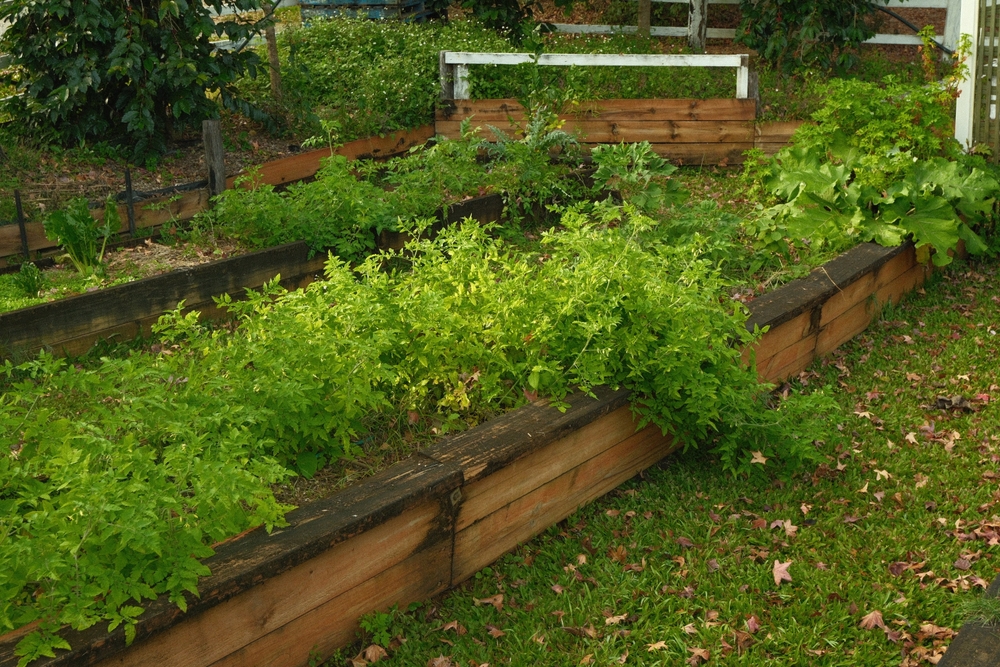
When a garden bed gets out of control, it can feel like nature is winning, and the chaos can overwhelm even the most seasoned gardener. Thick tangles of plants, aggressive weeds, and overgrown perennials turn beauty into a jungle overnight. Yet every unruly patch holds potential, waiting for attention and a little guidance. Reclaiming overgrown beds isn’t just a chore—it’s a chance to breathe life back into a garden, rediscover hidden treasures, and see plants thrive again with purpose and care.
The process begins with vision and planning. Rushing in without a plan can turn a cleanup into a never-ending battle, leaving stems, roots, and weeds scattered everywhere. Understanding what thrives in the bed, which plants to keep, and where space needs to be cleared forms the foundation of success. A strategic approach ensures every snip, dig, and pull brings lasting improvement instead of temporary control.
1. Survey and Strategize: Know Your Bed Before You Dig
Reclaiming an overgrown bed starts with a careful survey. Identify what’s alive, what’s struggling, and what’s overtaking everything else. Some plants might have rooted themselves so firmly that removing them requires patience, while others may be ready to divide or relocate. Mapping the bed visually helps in prioritizing areas and prevents accidentally uprooting plants that deserve to stay. Observing light patterns, moisture levels, and soil health gives critical clues about which plants will flourish once the bed is decluttered.
Strategizing also involves determining the right tools for the job. Sharp pruners, sturdy gloves, a digging fork, and even a wheelbarrow can make the process efficient and reduce strain. Creating separate piles for compostable material, recyclables, and trash keeps the workspace clean and avoids frustration later. Patience during this phase pays off by avoiding mistakes that could harm the bed or valuable plants. Planning sets the stage for a methodical approach, giving every square foot attention without getting overwhelmed. By understanding the bed fully before action, reclaiming it becomes a manageable and even enjoyable process.
2. Weed Like a Pro: Cutting Out the Chaos
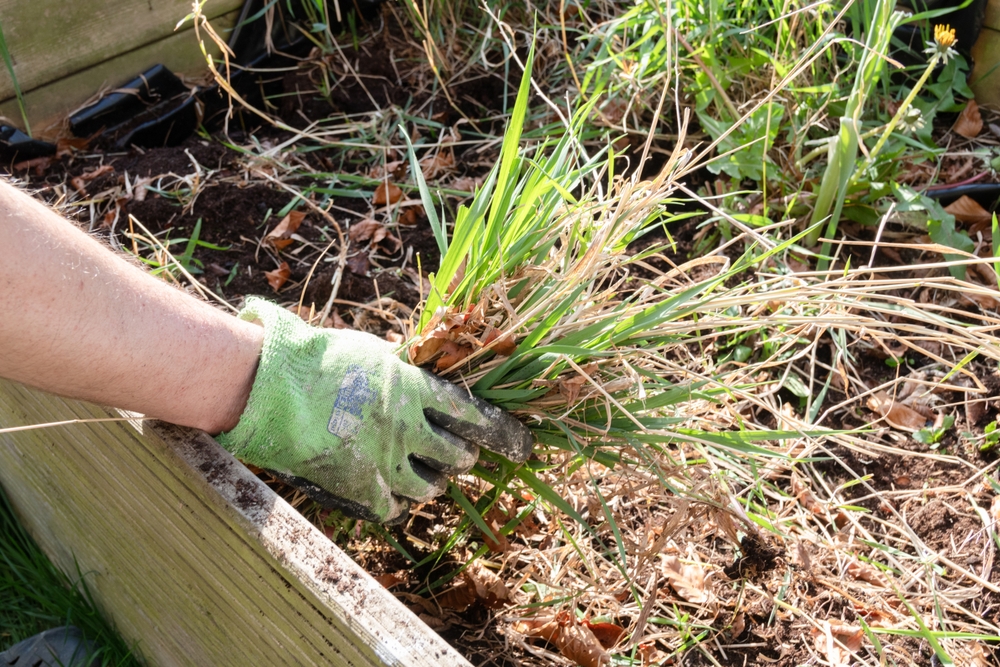
Weeds often dominate overgrown beds, choking out flowers and shrubs while stealing nutrients and water. Identifying the most aggressive intruders and tackling them first prevents regrowth from taking over once the bed is cleared. Pulling weeds by the root is essential to avoid repeated invasions, and specialized tools like a dandelion digger or hand trowel can make the job faster and more effective. Mulching after removal suppresses future weed growth and adds nutrients back into the soil, providing a lasting benefit beyond mere cleanup.
Weeds are also an opportunity to understand the soil better. Certain invasive plants thrive in particular conditions, indicating where drainage, fertility, or pH might need adjustment. Regular monitoring after the initial cleanup keeps the bed in check and reduces long-term labor. Clearing weeds also improves airflow and sunlight penetration, benefiting desirable plants and creating a healthier garden ecosystem. When weeds are handled strategically, they no longer dominate but become a manageable part of gardening, rather than a constant frustration.
3. Pruning with Purpose: Shape, Save, and Stimulate Growth
Overgrown plants can hide beauty and suffocate surrounding growth, so selective pruning is essential. Removing dead or damaged branches encourages new growth and opens up space for sunlight to reach the lower leaves. When pruning perennials, consider dividing crowded clumps to give each section room to thrive, improving both health and aesthetics. Timing matters—cutting at the right moment maximizes bloom potential and prevents stress on the plant.
Pruning also keeps the bed visually appealing and prevents tangling that could make future maintenance harder. Grouping plants based on size, sun needs, and water requirements helps shape a cohesive display. Using clean, sharp tools prevents disease and damage, ensuring the bed remains strong and vibrant. Thoughtful pruning balances plant health with design, creating beds that look intentional rather than forced. When done correctly, it turns overgrowth into opportunity, transforming unruly beds into organized, thriving gardens.
4. Soil Revival: Nourish from the Ground Up
Overgrown beds often suffer from compacted or depleted soil. Aerating the soil with a fork or tiller loosens roots, improves drainage, and encourages beneficial microorganisms to thrive. Adding organic matter like compost, leaf mold, or well-rotted manure enriches nutrients and improves structure, giving plants a strong foundation for growth. Checking pH levels ensures the bed suits the plant mix, preventing long-term struggles.
Healthy soil also supports water retention and root stability, essential for managing both heavy rainfall and dry spells. Mulching the surface after soil amendment protects it from erosion, suppresses weeds, and provides a visually clean appearance. Focusing on soil health transforms the bed into a powerhouse for plant growth, rather than a struggling tangle of roots and weeds. Well-nourished soil multiplies the effect of other maintenance efforts, making every plant in the bed healthier and more resilient.
5. Divide and Conquer: Smart Plant Management
Some perennials in overgrown beds become crowded and compete for nutrients, so dividing them is a key step in reclaiming space. Plants like hostas, daylilies, and asters benefit from division every few years, spreading into new areas or sharing with friends. Proper timing ensures minimal stress, and replanting with care maximizes survival. Dividing also provides an opportunity to refresh the bed’s look, creating rhythm and balance among plantings.
This step isn’t just about space—it’s about vitality. Crowded plants often underperform, while divided and spaced plants flourish with larger blooms and stronger foliage. Preparing the new planting areas in advance with enriched soil sets them up for success. Dividing and relocating plants also encourages experimentation, introducing new patterns and arrangements that can transform the garden into a dynamic space. Smart plant management turns what feels like chaos into an organized and thriving display.
6. Mulch, Water, and Maintain: Protect Your Progress
Once beds are cleared, pruned, and divided, protective measures lock in the gains. Mulch conserves moisture, moderates soil temperature, and suppresses weeds, giving plants a strong advantage in the weeks ahead. Consistent watering ensures new and existing plants establish roots without stress, and monitoring for pests keeps minor issues from spiraling into big problems. Maintenance doesn’t have to be daily, but regular attention preserves the results of hard work.
Creating a maintenance routine encourages longevity and sustainability. Observing plant growth, removing weeds early, and keeping soil healthy prevents the bed from slipping back into overgrown chaos. Incorporating companion plants and natural pest deterrents adds another layer of protection while enhancing aesthetics. Taking care of the reclaimed bed is the difference between a momentary fix and a garden that remains vibrant for years. Structured care preserves both beauty and effort, making the garden a reliable source of joy.
From Jungle to Joy: Transforming Beds into Beauty
Reclaiming an overgrown bed transforms frustration into pride. Thoughtful planning, persistent work, and strategic interventions reveal hidden plant treasures and maximize growth potential. Every step, from surveying to pruning, soil care, and maintenance, builds a garden that looks intentional, thriving, and alive. Overgrowth doesn’t mean defeat; it means opportunity to refresh, experiment, and enjoy the satisfaction of visible results.
Turning a tangled patch into a thriving bed is a statement about care, patience, and the joy of working with nature. Gardens respond to attention, and reclaimed beds can bloom more beautifully than ever. With proper tools, strategy, and follow-through, the jungle becomes a showcase of vitality and design.
What are the most satisfying transformations ever seen in your garden beds? We want to hear your tips, stories, or strategies in the comments.
You May Also Like…
Termite Prevention Tips for Raised Beds
Early Termite Warning Signs Around Garden Beds
How to Prep Garden Beds Without Buying Bagged Mixes
7 Mistakes That Are Killing Your Raised Beds Before Spring Even Starts
5 DIY Raised Beds That Keep Working Under Frost

Brandon Marcus is a staff writer for FrugalGardening.com at District Media, Inc., where he delivers practical gardening advice with a relatable, no-nonsense style. An avid amateur gardener, he holds a BA degree and with over ten years of professional writing experience, he is also an award-winning published author whose first book, Questions For Deep Thinkers, was released by Adams Media. His work has appeared in major publications including Fandom.com, CHUD.com, TheColdWire.com, and Fansided.com.
Leave a Reply