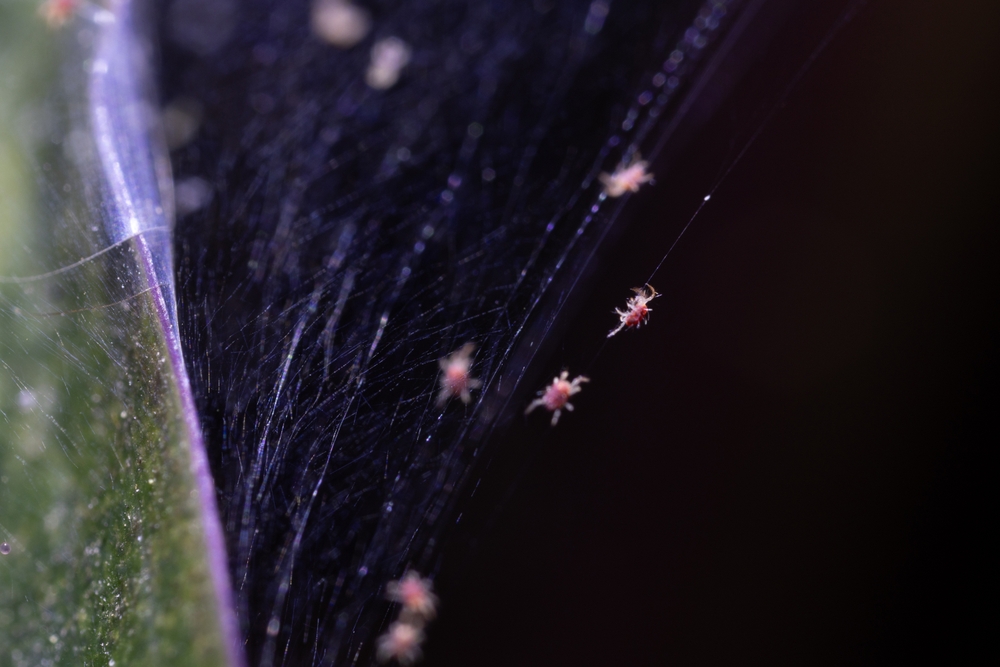
Spider mites don’t make noise, they don’t wave a warning flag, and they can devastate your garden before anyone realizes what’s happening. These pint-sized pests are relentless, and their appetite for destruction grows exponentially the longer they go unnoticed. Knowing the early signs of spider mite infestations isn’t just helpful—it’s critical for anyone who wants healthy, vibrant plants. Detecting the problem early transforms you from a reactive gardener into a strategic defender, turning your home or garden into a fortress instead of a battlefield.
The clues are subtle, but with a keen eye and a little knowledge, spotting them can feel almost like detective work—but with far more satisfying results when your plants stay safe. Let’s break down exactly what to watch for, how to prevent these pests, and how to kick them out without losing your mind or your favorite greenery.
1. Tiny Webs, Big Problems: Recognizing the First Clues
Spider mites spin webs, but unlike the dramatic, glistening constructions of actual spiders, these look like faint, wispy coatings over leaves. These threads are almost invisible from a distance, but they often cluster around the undersides of leaves or along the stems. If you take a magnifying glass and inspect closely, the webbing will appear as delicate, silvery threads that shine faintly under sunlight. These tiny structures are far more than just decoration—they’re protective shields for the mites, allowing them to feed undisturbed and reproduce at a frightening rate. Early webbing often coincides with tiny yellow, white, or bronze speckles on leaves, which signal the first stage of leaf damage. Catching these spots early is crucial; the longer the webs and speckles persist, the harder it becomes to eradicate the mites completely.
Checking the undersides of leaves isn’t just a suggestion—it’s essential. Spider mites prefer these hidden areas where they can suck plant sap without interference. The damage they cause, called stippling, can make even the healthiest plants look dry, faded, and stressed within days. Leaves might curl, edges may brown, and new growth can slow dramatically. If multiple leaves start showing these patterns in concentrated areas, it’s a red flag that a small infestation has taken root and requires immediate attention. Observing these details with consistency is the first step in controlling spider mites before they wreak havoc.
2. Stunted Growth and Drooping Leaves: The Silent Signals
Plants under attack by spider mites may begin to look weak or unhealthy, but these signs are often mistaken for watering problems or nutrient deficiencies. Stunted growth is one of the subtle yet telling indicators, especially if it occurs alongside speckling or webbing. A plant that once thrived and grew rapidly may suddenly seem lethargic, producing smaller leaves or failing to flower at the expected rate. Drooping leaves, wilting despite adequate water, or a general pallor in foliage are all early-warning signs that spider mites might be sucking more than just sap—they’re sapping the plant’s vitality.
It’s easy to dismiss these symptoms as seasonal fluctuations or environmental stress, but spider mites are often the hidden culprits. Inspecting your plant for tiny, fast-moving dots—often red, brown, or green depending on the species—can confirm the infestation. These pests can move quickly, and populations can explode within days. The sooner you detect stunted growth combined with drooping leaves, the faster you can implement targeted treatments. Spraying with insecticidal soap, introducing natural predators like ladybugs, or carefully hosing off affected areas can halt damage in its tracks. Regular observation and timely intervention often mean the difference between a minor inconvenience and a full-blown infestation that leaves your plants struggling.
3. Color Changes and Leaf Spots: Nature’s Warning Signs
Spider mites feed by puncturing plant cells and extracting their contents, leaving behind tiny discolored spots that may not immediately seem serious. These stippled leaves are often the first visible damage, showing as tiny yellow, white, or bronze flecks across the surface. As the infestation grows, these spots merge into larger patches, causing leaves to yellow, brown, or even fall prematurely. Early recognition of this pattern can allow swift action before entire branches—or whole plants—become affected.
Color changes aren’t limited to leaves alone. Some plants show stress in stems or new growth, which may appear twisted, deformed, or unusually pale. These signs indicate that spider mites are feeding extensively, draining the plant of essential nutrients, and disrupting its ability to thrive. The combination of color changes and leaf spots is a powerful early alert system. Acting immediately by isolating affected plants and implementing treatment routines can save other healthy plants in your collection from becoming collateral damage. A keen eye for these visual cues makes prevention proactive rather than reactive.
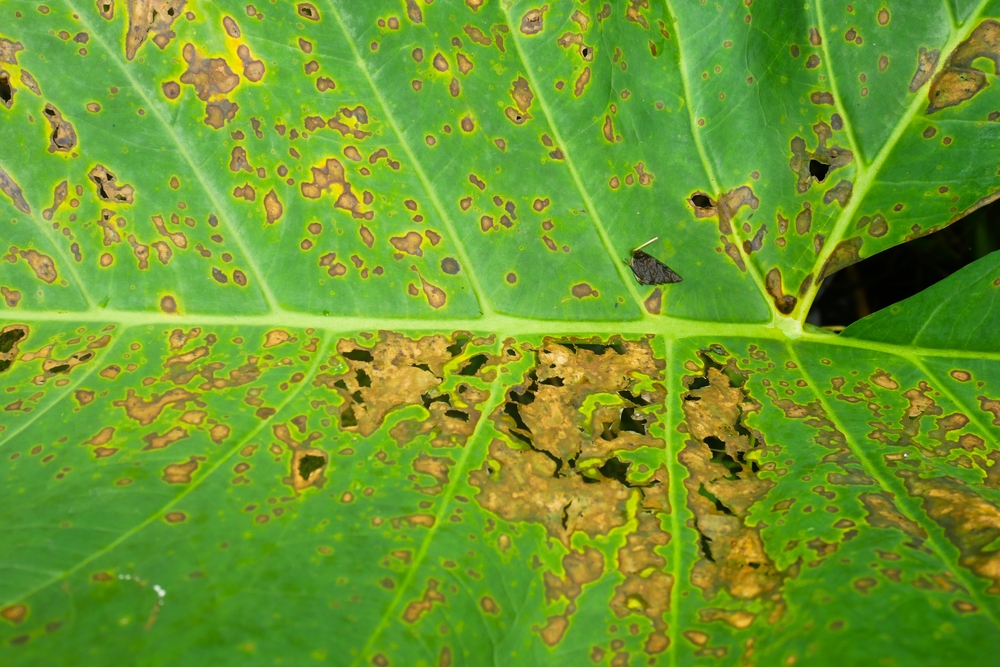
4. Dusty Appearance and Fine Silken Threads: The Visual Clues
Some infestations begin to make plants appear as though they’re covered in fine dust or powder. This dusty look comes from the aggregation of tiny spider mites and their shed skins, which accumulate on leaves and stems. Under certain angles, sunlight can reveal these specks and silken threads, offering one of the most unmistakable visual signs of a growing problem. This dusty coating also indicates that the mites have established a thriving colony, making it critical to act before the population becomes overwhelming.
Combining this visual cue with careful leaf inspection can confirm the presence of these minute pests. Using a magnifying lens, the mites themselves often appear as tiny, flickering specks moving rapidly along the leaf surface. Controlling an infestation at this stage often requires a multi-pronged approach, including cleaning the leaves with water sprays, introducing beneficial insects, and applying targeted treatments. Ignoring the dusty appearance allows the infestation to worsen, leading to more extensive plant stress and a lengthier recovery period. Recognizing these signs early provides a real advantage in maintaining plant health and vitality.
5. Proactive Care: How to Keep Spider Mites at Bay
Prevention trumps eradication when it comes to spider mites. Maintaining strong, healthy plants is the first line of defense, as vigorous foliage is less vulnerable to pest damage. Regular watering, proper fertilization, and ensuring good air circulation can make a dramatic difference in susceptibility. Inspecting plants weekly for tiny spots, speckles, or webbing can detect infestations before they spiral out of control.
If signs of spider mites appear, immediate action pays off. Isolating affected plants prevents the mites from spreading, while thorough cleaning of leaves and stems removes many of the pests physically. Introducing natural predators such as ladybugs or predatory mites provides an eco-friendly way to reduce populations without harsh chemicals. Insecticidal soaps and horticultural oils work well when applied carefully, smothering mites while leaving plants unharmed. Consistency and vigilance in checking plants ensures that infestations remain manageable and that gardens stay lush and thriving.
Spot the Intruder Before It Wins
Spider mites may be tiny, but they wield a surprising power over plants, quietly draining life and beauty from foliage before anyone notices. Identifying early signs—webbing, leaf speckles, stunted growth, drooping leaves, color changes, dusty coatings—offers the upper hand in this microscopic battle. With vigilance, proactive care, and timely interventions, plants can remain healthy and vigorous, resisting the persistent munching of these minute invaders. Observing closely, acting decisively, and implementing preventive routines transforms potential disaster into a garden that flourishes year-round.
What strategies or stories have emerged from your own encounters with spider mites? Share tips, discoveries, or memorable infestations in the comments below—everyone’s insight makes the next battle a little easier to win.
You May Also Like…
What Yellowing Leaves in March Often Mean
9 Backyard Bugs That Can Damage Plants Before Summer
Florida Is Bracing for a Major Pest Surge — Here’s the Low‑Cost Prep Homeowners Need Now
A DIY Pest Spray That Costs Just Pennies

Brandon Marcus is a staff writer for FrugalGardening.com at District Media, Inc., where he delivers practical gardening advice with a relatable, no-nonsense style. An avid amateur gardener, he holds a BA degree and with over ten years of professional writing experience, he is also an award-winning published author whose first book, Questions For Deep Thinkers, was released by Adams Media. His work has appeared in major publications including Fandom.com, CHUD.com, TheColdWire.com, and Fansided.com.
Leave a Reply