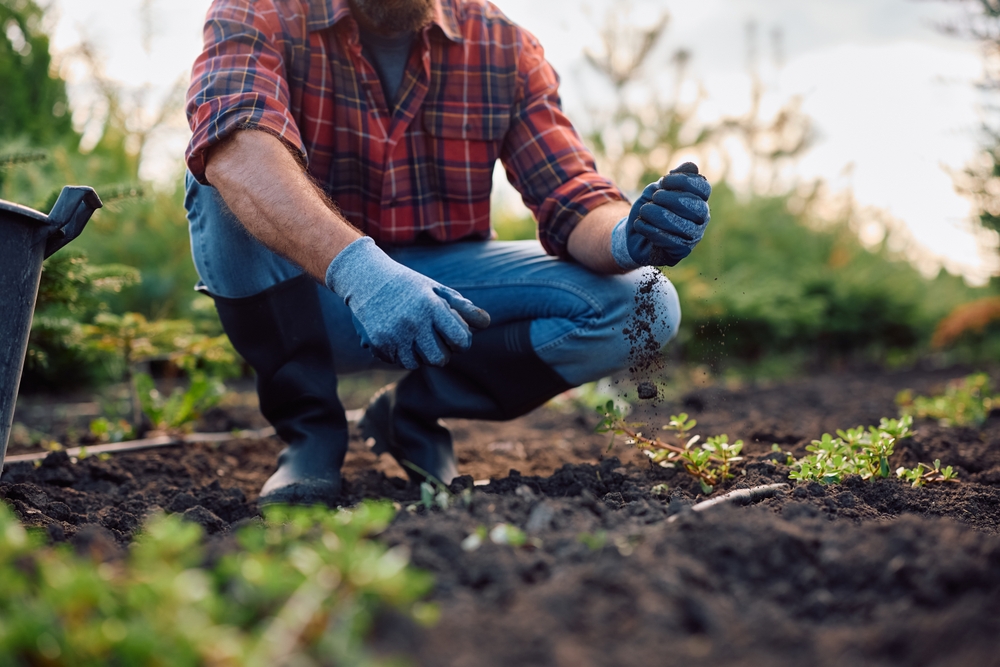
You may look out at your garden one morning and wonder why your plants look tired, your soil looks sad, and your grocery bill still looks painful. You’re doing everything “right,” yet your garden isn’t giving you the lush, abundant harvest you imagined.
The truth is that the biggest, most expensive garden mistake isn’t forgetting to water, planting too early, or even losing a battle with slugs. It’s something far sneakier, something that affects gardens year‑round, and something that quietly costs homeowners hundreds in wasted water, fertilizer, and lost yields.
Most homeowners aren’t protecting their soil — and unprotected soil is a money pit.
Bare Soil Is Like an Open Wallet — Everything Valuable Blows Away
Leaving soil exposed is the gardening equivalent of leaving your front door open during a windstorm. Everything you want to keep — moisture, nutrients, organic matter — escapes, and everything you don’t want — weeds, erosion, compaction — moves right in.
Soil scientists have been shouting this from the rooftops for decades: bare soil is vulnerable soil. Sun bakes it. Wind strips it. Rain compacts it. Microbes die off. Worms retreat. Nutrients leach away.
And when your soil loses its structure and fertility, you pay for it. Literally. You buy more fertilizer and water more often. You replace plants that never thrive and haul in bag after bag of compost trying to revive what’s left.
Moisture Loss Means Higher Water Bills (and Thirsty Plants)
Bare soil loses moisture at a shocking rate. Sun and wind pull water from the top layers, leaving roots gasping and homeowners running for the hose.
Mulched or covered soil, on the other hand, retains moisture far more effectively. Studies consistently show that mulched beds require significantly less watering, especially during hot months. That means lower water bills and less time spent dragging hoses around like a reluctant firefighter.
If your garden dries out quickly, wilts often, or needs constant watering, exposed soil is almost always part of the problem. To fix this, use organic mulches like shredded leaves, straw, or wood chips to lock in moisture and keep roots cool.
Nutrient Loss Forces You to Buy More Fertilizer
When soil is exposed, nutrients don’t stay put. Rain washes nitrogen deeper than roots can reach. Sun breaks down organic matter. Wind erodes the topsoil — the richest, most valuable layer.
This nutrient loss is why so many gardeners feel trapped in a cycle of constant fertilizing. They’re not feeding plants — they’re replacing what the environment keeps stealing. Mulch and ground cover plants act like a protective blanket, keeping nutrients where they belong and slowly adding more as they break down.
Weeds LOVE Bare Soil — And They Cost You Time and Money
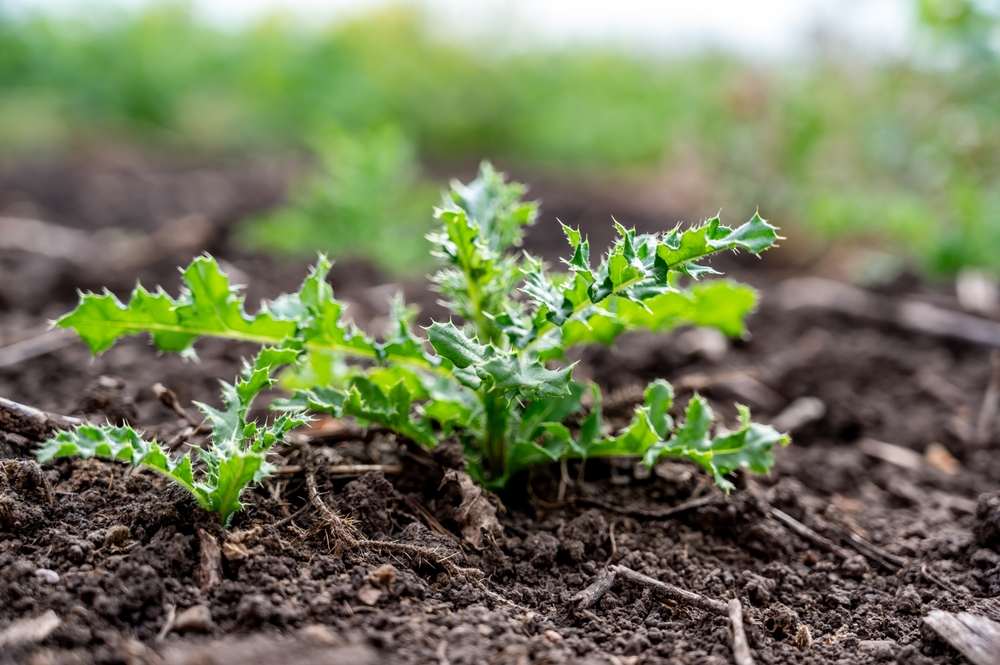
If you’ve ever wondered why weeds seem to appear overnight, here’s the secret: weed seeds are opportunists. They wait for bare soil like party guests waiting for the host to leave the door unlocked.
Once they sprout, they compete with your vegetables and flowers for water, nutrients, and sunlight. That competition reduces yields and forces you to spend more time weeding — or more money on weed barriers and tools.
Soil Life Dies Without Protection — And Soil Life Is What Feeds Your Plants
Healthy soil is alive. It’s full of microbes, fungi, earthworms, and tiny organisms that break down organic matter and make nutrients available to plants.
But these organisms need moisture, shade, and stable temperatures. Bare soil becomes too hot, too dry, and too compacted for them to survive. When soil life dies, your plants lose their natural support system, and you end up compensating with store‑bought fertilizers and amendments.
Mulch creates a stable environment where soil life thrives. More soil life means healthier plants, better yields, and fewer inputs from your wallet.
Erosion Quietly Steals Your Most Valuable Soil Layer
Even small backyard gardens experience erosion. Rain splashes soil upward and outward. Wind lifts fine particles and carries them away. Over time, you lose the nutrient‑dense top layer that plants rely on.
Replacing lost topsoil is expensive. Rebuilding it takes years. Preventing erosion, however, is simple: keep the soil covered. In off-seasons, try to plant cover crops like clover or winter rye to hold soil in place and add nutrients.
Healthy Soil Is the Real Secret to a High-Yield Garden
If your garden hasn’t been performing the way you hoped, don’t blame your plants — blame the bare soil. Once you protect it, everything else becomes easier. Your garden becomes more resilient, and your plants grow stronger. Plus, your wallet stays fuller. And you get to enjoy the kind of lush, thriving backyard that makes neighbors lean over the fence in admiration.
What’s your favorite way to keep your soil covered and healthy throughout the year? Hop into our comments section to share your thoughts with other eager gardeners.
You May Also Like…
Experts Say Houseplant Soil Mix Is Causing Gnat Infestations
These 10 Plants Fix Bad Soil — Without Costly Amendments
The Landscaping Mistake That Could Void Your Home Insurance
7 “Too Late” Winter Garden Mistakes and How to Undo Them
Gardeners in the Carolinas Warned: Soil Mix Is Testing Positive for Lead

Brandon Marcus is a staff writer for FrugalGardening.com at District Media, Inc., where he delivers practical gardening advice with a relatable, no-nonsense style. An avid amateur gardener, he holds a BA degree and with over ten years of professional writing experience, he is also an award-winning published author whose first book, Questions For Deep Thinkers, was released by Adams Media. His work has appeared in major publications including Fandom.com, CHUD.com, TheColdWire.com, and Fansided.com.
Leave a Reply