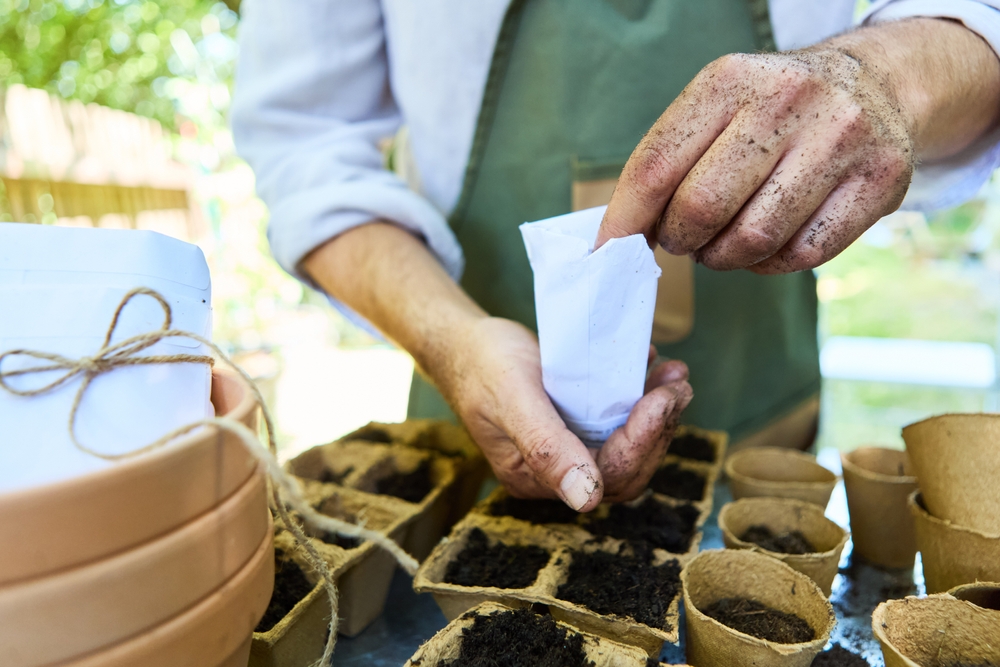
Planting seeds seems simple: poke a hole, drop a seed, cover it, and wait for magic. But gardens are brutally honest, and seeds will either thrive or send a silent, leafy death note if you mess up the spacing. Crowded seedlings compete like overambitious neighbors, stealing sunlight, water, and nutrients, leaving nothing for anyone. Too much space, and tiny sprouts get lonely, struggling to anchor roots and make the most of soil life. One wrong measurement, one skipped step, and months of hope can go poof.
The secret to a thriving garden isn’t just watering on schedule or picking the right soil—it’s knowing exactly how far apart each seed needs to live its best life. Gardeners, amateur or otherwise, often underestimate just how much spacing impacts plant health. From root entanglement to stunted growth, seed spacing mistakes are a silent killer of crops. By the time you notice the problem, seedlings may already be too weak to recover.
1. Cramming Too Many Seeds in One Spot
Planting seeds close together might seem like efficiency genius, but in reality, it’s a recipe for disaster. When seedlings sprout shoulder to shoulder, they start a silent war for nutrients, light, and water. Leaf overlap reduces photosynthesis, while shallow roots tangle and strangle one another. Crowding also increases the risk of fungal diseases and pests, which spread like wildfire when plants are elbow-to-elbow. Even hardy plants can collapse under the weight of competition, turning a promising row into a patch of weak, struggling sprouts. A simple measuring tape or grid can save months of frustration. Creating consistent spacing ensures each plant gets its personal growth zone without interference. Follow seed packet instructions carefully, and don’t be tempted to overfill.
Spacing mistakes aren’t just about numbers—they affect long-term yield. Overcrowded crops often produce smaller fruits or fewer vegetables, meaning even a full row won’t give a satisfying harvest. Strategically thinning seedlings early can help, but it’s painful to cut down sprouts you already nurtured. Prevention is better than cure: leave enough breathing room for each plant to thrive fully and grow into its maximum potential. Think of spacing as giving your plants VIP access to sunlight, nutrients, and air.
2. Giving Plants Way Too Much Space
Spacing seeds too far apart can be just as harmful as crowding. Overly distant plants may struggle to share soil benefits and support one another in wind or heat. Root systems may fail to maximize soil nutrients efficiently, leaving some sections of your bed underutilized. When the garden feels too empty, weeds sneak in faster, taking over the neglected territory. Plants spaced too widely can also be challenging to water efficiently, as irrigation might not reach every lonely sprout. While it’s tempting to “play it safe” with extra room, each plant thrives best when neighbors are within a reasonable reach. Using proper spacing ensures a balance between independence and community, letting roots and leaves do their best work.
Proper planning can prevent wasted space and encourage uniform growth. Companion planting can help, too, allowing compatible plants to share space efficiently. Keep track of mature plant sizes, and remember that spacing isn’t only about width—it’s also about depth for proper root expansion. With intentional spacing, each plant will feel supported but not suffocated, leading to bigger, healthier crops that make every inch of garden count.
3. Ignoring Seed Packet Instructions Like They Don’t Matter
Seed packets aren’t just decoration—they’re a manual from the plant itself. Each vegetable, herb, or flower has a recommended spacing for a reason. Ignoring those instructions is like trying to fit a king-size bed into a tiny studio apartment; the plant will suffer. Overlooking spacing advice leads to crowded roots, stunted growth, and unpredictable yields. Packets also often include depth guidelines, which tie directly to spacing considerations, because a seed planted too shallow or deep can struggle alongside neighbors. Following these directions doesn’t require fancy tools—just attention and consistency.
Skipping these details is one of the most common mistakes beginners make. Each species has different sunlight, root, and nutrient needs, meaning what works for carrots won’t work for beans. Treat the instructions as a roadmap, and your seedlings will reward the effort with robust growth and strong, disease-resistant plants.
4. Planting Without Considering Growth Habit
Not all plants grow the same way. Some expand sideways aggressively, while others shoot straight up like skyscrapers. Ignoring growth habits when spacing seeds leads to chaos, with sprawling vines smothering delicate sprouts below. Climbing plants like peas or cucumbers need vertical support, or they’ll invade neighboring plots. Root crops like beets or carrots need deep soil spacing to avoid cramming roots together, which stunts development. Observing mature plant size before sowing is crucial to avoid fights for space later. Proper planning makes harvesting easier and reduces the risk of disease caused by poor airflow.
Gardeners who fail to consider growth habit may end up constantly pruning, moving, or even discarding plants. When each plant has the room to express its natural habit, it thrives efficiently without constant interference. Think of your garden like a city: zoning laws matter, and ignoring them leads to overcrowded streets and unhappy residents.
5. Forgetting to Thin Seedlings Early
Thinning feels counterintuitive, almost cruel, but it’s critical for survival. Seeds that germinate too close together need early removal of weaker sprouts to give the strongest room to grow. Leaving crowded seedlings to compete will result in spindly, fragile plants and a disappointing harvest. Timing is everything: thin when seedlings have at least one set of true leaves. Keep extra seedlings in a different area or share them with friends to avoid waste. Thinning not only improves spacing but also reduces disease risks and encourages robust root systems.
Think of it as social engineering for plants. By selectively removing competitors, each remaining seedling gets more light, nutrients, and airflow, transforming a messy patch into a thriving row. Gardens respond beautifully to thoughtful early intervention, often producing healthier and larger crops than if left unchecked.
6. Disregarding Soil and Nutrient Needs in Spacing
Spacing isn’t just about leaving room for leaves and stems. Root competition for nutrients plays an equally crucial role. Soil fertility directly affects how closely plants can be sown. In nutrient-poor soil, crowding seeds is almost guaranteed to stunt growth, whereas nutrient-rich beds can support slightly tighter spacing. Avoid generic spacing rules; consider soil quality before planting. Mulching and fertilizing can improve dense planting situations, but proper initial spacing always beats remedial fixes.
The relationship between roots and soil is subtle but decisive. Plants with roots struggling for space will have uneven growth and weaker resistance to pests. Observing soil health and adjusting seed placement accordingly ensures a happier, more productive crop.
7. Planting at the Wrong Depth
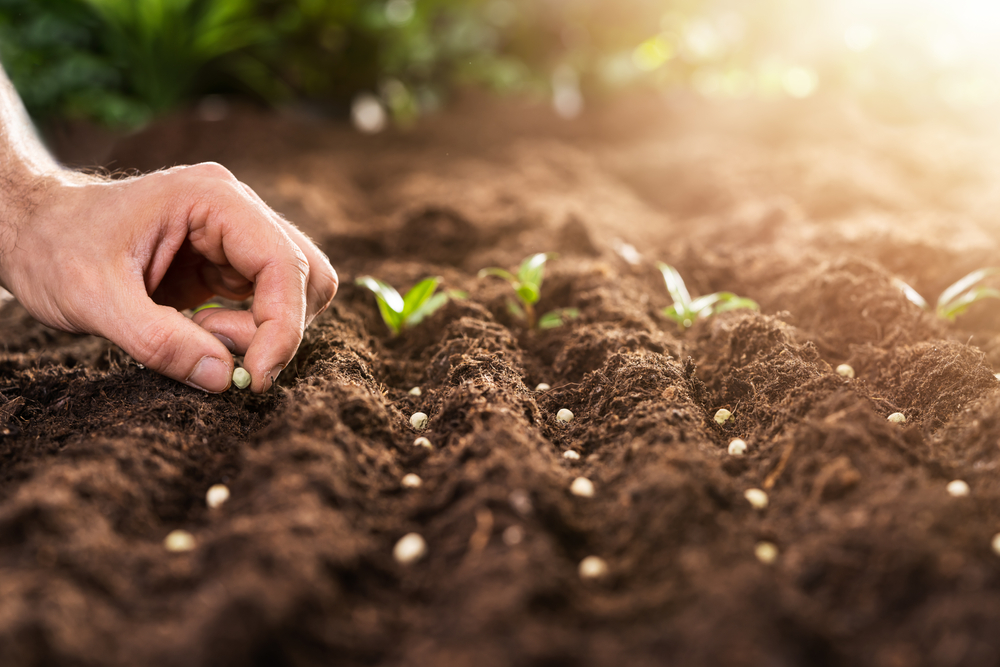
Depth mistakes often go hand-in-hand with spacing issues. Seeds too shallow dry out, too deep and they struggle to reach sunlight. Both situations compound spacing problems because weak sprouts take up space without contributing to growth or yield. Check each species’ depth requirements on the packet and adjust based on soil type and moisture levels. Consistent planting depth across rows encourages even growth and prevents awkward gaps in the garden.
Proper depth also strengthens roots, supporting vertical growth without crowding neighboring plants. Seeds planted at the right level develop uniformity, making subsequent watering, fertilization, and harvesting easier and more productive.
8. Neglecting Companion Planting Opportunities
Companion planting can reduce spacing issues and increase productivity. Certain plants, like beans and corn, work in tandem to maximize soil use while preventing crowding. Ignoring these natural partnerships means missing out on strategic growth benefits. Herbs such as basil or marigolds can protect nearby plants while fitting snugly into otherwise empty spaces. By thinking creatively, spacing challenges become opportunities to boost yield and health across the garden.
When plants complement each other, they grow more efficiently, resist pests better, and use space intelligently. Skipping companion planning often leads to gaps or overcrowding, reducing potential harvest size. Smart design and spacing synergy create a garden that’s both beautiful and productive.
9. Overlooking Seasonal Growth Changes
Spacing needs aren’t static. As seedlings grow, they expand differently depending on temperature, rainfall, and sunlight. Plants that looked perfectly spaced in early spring may crowd each other by midsummer. Anticipate mature size and environmental changes to avoid future frustration. Staggered planting and succession crops can keep growth manageable, providing continuous harvests without chaos.
By planning for seasonal expansion, gardeners avoid mid-season scrambling. Predictable spacing reduces stress and maximizes yield, giving plants the room to breathe and flourish as the season progresses. Adjusting for growth curves ensures every seed reaches its peak potential.
Giving Your Plants Room to Celebrate
Healthy crops thrive when each seed has space to grow, roots to explore, and leaves to stretch without interference. Proper spacing prevents disease, boosts yields, and makes a garden look as good as it performs. Consider each seed a tiny VIP guest: arrange them carefully, respect their needs, and the garden will reward that attention with abundance. Seasonal adjustments, thinning, companion planting, and depth awareness all contribute to a vibrant, productive patch.
Which spacing strategies have worked wonders in your garden? Share your insights, surprising successes, or even funny failures in the comments below!
You May Also Like…
Why Some Seeds Never Germinate and How to Improve Your Success Rate
How to Start Seeds Indoors on a Tight Budget Without Wasting Money
9 Seeds You Can Plant Immediately — No Matter the Weather
The Little-Known Secret to Strong, Healthy Seedlings That Costs Almost Nothing
The Soil Additive That’s Quietly Killing Seedlings in Southern States

Brandon Marcus is a staff writer for FrugalGardening.com at District Media, Inc., where he delivers practical gardening advice with a relatable, no-nonsense style. An avid amateur gardener, he holds a BA degree and with over ten years of professional writing experience, he is also an award-winning published author whose first book, Questions For Deep Thinkers, was released by Adams Media. His work has appeared in major publications including Fandom.com, CHUD.com, TheColdWire.com, and Fansided.com.
Leave a Reply