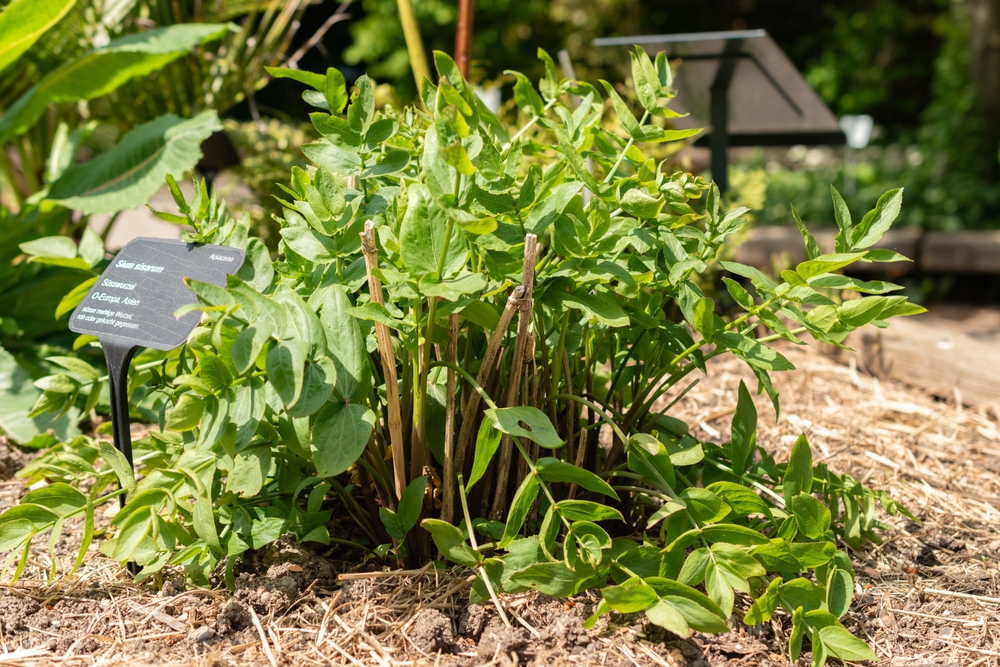
Every spring, garden centers fill with familiar favorites like tomatoes, peppers, and cucumbers. Yet a growing number of gardeners skip the usual lineup and hunt for plants that filled dinner tables long ago. Skirret, good king henry, scorzonera, and other forgotten edibles have started making a surprising comeback because they offer unique flavors, fascinating history, and dependable harvests.
That renewed interest goes beyond simple curiosity. Many gardeners want crops that offer something grocery stores never carry, while others enjoy preserving old varieties that nearly disappeared from cultivation. These unusual vegetables reward patience with fresh tastes, interesting stories, and gardens that stand out from every other backyard on the block.
Skirret Brings History Back to the Dinner Plate
Skirret may sound like something from a fantasy novel, but people grew and enjoyed it across Europe for centuries before potatoes took over. This perennial root vegetable produces clusters of long, slender white roots with a naturally sweet flavor that many gardeners compare to parsnips mixed with carrots and a hint of chestnut. Unlike annual root crops, skirret returns year after year once it settles into the garden, making it a welcome addition for anyone who enjoys low-maintenance food plants. That combination of history and convenience explains why gardeners continue rediscovering this forgotten favorite. Growing skirret also creates an instant conversation piece whenever visitors wander through the garden.
The plant asks for patience rather than constant attention. Most gardeners harvest roots after the second growing season because mature plants develop better size and sweeter flavor over time. Each clump produces multiple roots instead of one large taproot, so harvesting often feels like uncovering buried treasure. A careful cook can roast, mash, steam, or add the roots to hearty soups, turning an overlooked crop into a memorable meal.
Forgotten Crops Often Solve Modern Gardening Problems
Many old-fashioned vegetables survived for generations because they handled difficult conditions surprisingly well. Some tolerated poor soils, while others bounced back after cold winters or produced food over long harvest seasons. Gardeners today appreciate those same qualities because weather patterns often shift from one extreme to another without much warning. Plants that earned their place through centuries of cultivation usually possess practical strengths rather than flashy appearances alone.
Good king henry offers one example of that practical value. Gardeners harvest its young shoots like asparagus in spring, then enjoy spinach-like leaves throughout the growing season. Scorzonera produces long black roots with creamy white flesh and edible flowers that attract pollinators. Sea kale sends up tender spring shoots before developing attractive blue-green foliage that looks beautiful even when nobody plans dinner. These plants combine ornamental appeal with dependable harvests, making every square foot of garden space work harder.
Flavor Adventures Keep Gardeners Curious
Growing forgotten vegetables introduces flavors that almost disappeared from modern kitchens. Grocery stores rarely stock crops that bruise easily, mature slowly, or lack widespread commercial demand. Home gardeners face none of those limitations, so they gain access to ingredients that chefs often consider culinary treasures. That freedom encourages experimentation in both the garden and the kitchen.
Skirret develops extra sweetness after cool weather, making autumn harvests especially rewarding. Salsify offers a mild taste that many people compare to oysters, earning it the nickname “oyster plant.” Groundnuts produce protein-rich underground tubers while climbing gracefully along fences. Walking onions literally create new plants from bulb clusters that bend toward the soil, giving the impression that they stroll across the garden over time. Every harvest feels less like pulling vegetables and more like uncovering forgotten recipes from another century.
Growing Forgotten Edibles Requires a Different Mindset
Gardeners accustomed to fast-growing annual vegetables sometimes need to adjust expectations. Several forgotten crops grow more slowly than modern hybrids because plant breeders never selected them for speed or commercial shipping. Instead, these vegetables reward long-term planning with dependable harvests that often improve each season. Patience becomes part of the gardening experience rather than an obstacle.
Fortunately, many forgotten edibles repay that patience with years of production. Perennial vegetables reduce annual planting chores, establish deep root systems, and often require less frequent watering after establishment.
Gardeners should still research each crop carefully because some prefer cool climates while others need excellent drainage or loose soil for proper root development. Starting with one or two unusual vegetables allows plenty of room for learning without turning the entire garden into an experiment.
More Than Food, These Plants Preserve Living History
Every forgotten vegetable carries generations of agricultural knowledge. Families selected seeds, shared growing techniques, and passed recipes through countless growing seasons before modern agriculture narrowed the list of commonly grown crops. Planting these vegetables helps preserve valuable genetic diversity while keeping old gardening traditions alive. That connection to history adds another layer of satisfaction beyond the harvest itself.
Many gardeners also discover that forgotten edibles spark conversations with neighbors, children, and friends who have never seen them before. A simple clump of skirret can inspire questions about medieval cooking, heirloom gardening, and sustainable food production. Gardens become outdoor classrooms where every unusual plant tells a story. Few tomato plants can compete with that kind of personality.
A Garden Full of Surprises Never Gets Old
Gardening has always rewarded curiosity, and forgotten edibles offer plenty of reasons to stay curious. Skirret and its fellow historic vegetables remind everyone that delicious food existed long before modern supermarkets filled produce aisles with familiar choices. These plants bring fresh flavors, dependable harvests, and fascinating history together in ways that keep gardening exciting season after season.
Adding even one forgotten edible to a garden creates a small adventure that continues long after planting day. A harvest becomes more memorable when it includes vegetables that neighbors have never tasted and grocery stores never stock. Sometimes the most exciting new addition to the garden turns out to be something remarkably old.
Which forgotten vegetable would earn a spot in the garden first, skirret, good king henry, or another historic favorite? Share thoughts and experiences in the comments below.
You May Also Like…
7 Edible Perennials That Can Fill Awkward Garden Spaces
5 Vegetables That Can Handle a Shadier Summer Corner
Can Reflective Mulch Improve Harvests in Small Vegetable Beds?
Why Grass Clippings Can Carry Herbicide Into Vegetable Beds
Why Are More People Growing Food on Tabletops and Railings?

Brandon Marcus is a staff writer for FrugalGardening.com at District Media, Inc., where he delivers practical gardening advice with a relatable, no-nonsense style. An avid amateur gardener, he holds a BA degree and with over ten years of professional writing experience, he is also an award-winning published author whose first book, Questions For Deep Thinkers, was released by Adams Media. His work has appeared in major publications including Fandom.com, CHUD.com, TheColdWire.com, and Fansided.com.
Leave a Reply