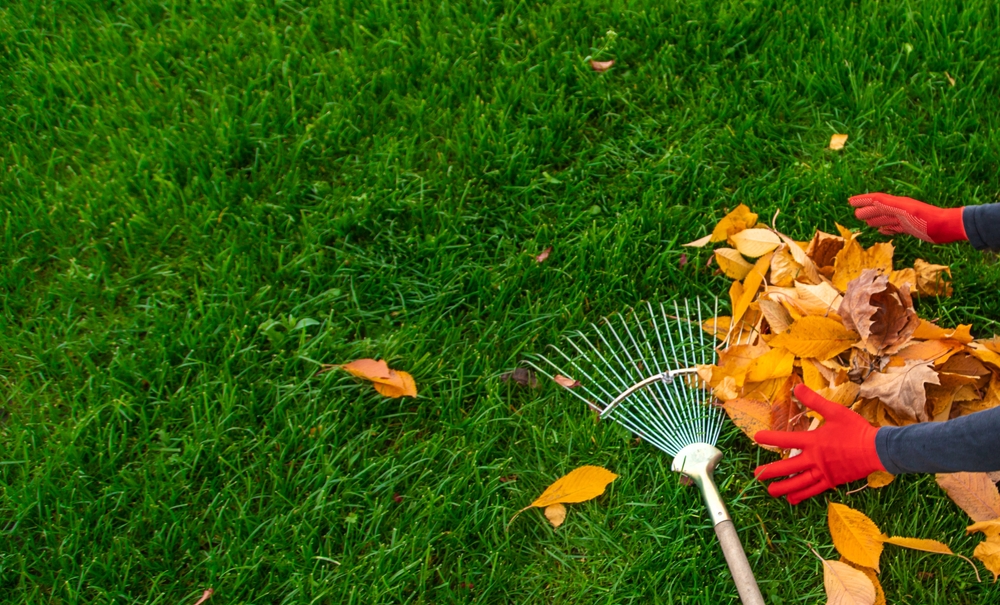
There’s a moment every autumn when you step outside, inhale that crisp air, and suddenly realize your lawn has transformed into a crunchy, colorful disaster zone. It looks beautiful—until you remember you are the one who has to clean it up. Raking leaves seems like the kind of task anyone can do without thinking, but that’s exactly how tiny mistakes turn a simple fall chore into an all-day endurance test. The truth is, most people approach leaf-raking with enthusiasm but not strategy, and that’s how frustration sets in fast.
Before you grab your rake and charge into battle, let’s talk about the common missteps that make this seasonal task harder—and how to avoid them so your weekend stays peaceful.
1. Using The Wrong Rake
Plenty of people grab the first rake they see in the garage, only to realize halfway through the yard that it’s working against them. A rake that’s too heavy wears you down quickly, while one that’s too narrow means you’ll be out there until the next season. Even the rake’s tine style matters—plastic tines move leaves differently than metal ones, and each has its strengths. Choosing the wrong tool means putting in twice the energy for half the results. When you use a rake that actually fits your yard and your strength level, the entire job becomes smoother, faster, and way less frustrating.
2. Raking Against The Wind
Few things feel more demoralizing than finishing a neat pile of leaves only to watch the wind scatter it across the lawn like a rebellious toddler. Many people assume wind isn’t a major factor, but it absolutely is. Raking directly into a breeze is basically an invitation for nature to undo your work in seconds. The trick is to rake with the wind, letting it push the leaves in the same direction you’re working. When you use the wind as your partner instead of your enemy, the whole chore becomes more efficient and a lot less aggravating.
3. Wearing The Wrong Clothing
It’s easy to underestimate how physical raking can be, and that’s where wardrobe mistakes come in. Heavy clothes can make you sweat and slow you down, while baggy clothes get caught on branches, tools, or even the rake itself. Gloves are often forgotten, but without them, blisters appear fast and make the task miserable. Shoes matter too—slippery boots or worn-out sneakers can send you sliding across damp leaves. Dressing comfortably and practically turns a tedious job into something almost enjoyable.
4. Leaving Wet Leaves Too Long
Wet leaves might seem harmless, but they’re basically Mother Nature’s version of glue. Once they mat together, they’re heavier, more compact, and dramatically harder to move. Not only that, but soggy piles can damage your lawn by blocking air and sunlight, suffocating the grass beneath. Many people wait too long after a storm to start raking, and that delay turns the task into a weightlifting competition. Tackling leaves before they become drenched makes the job easier and prevents long-term lawn problems.
5. Trying To Finish Everything In One Marathon Session
Some people go into raking with the mindset of a warrior preparing for battle, determined to finish the entire yard in one exhausting session. It sounds noble, but it usually leads to burnout, soreness, and sloppy results. Raking in shorter sessions is far more effective and keeps your energy and enthusiasm up. Breaking the job into zones makes progress feel satisfying rather than overwhelming. When you pace yourself, you can maintain good technique and avoid turning a simple yard chore into a punishment.

6. Ignoring The Power Of Leaf Piles
Most people think leaf piles are just part of cleanup, but they’re also one of the biggest efficiency traps. Building huge piles might look impressive, but they’re slow to move and easy to collapse. Smaller piles are easier to handle and keep the yard tidy as you go, preventing leaves from blowing back into areas you’ve already tackled. Big piles can also hide sticks, acorns, and even critters, making them a hazard. Embracing smaller, manageable piles keeps the workflow steady and saves time in the long run.
Rake Smarter, Not Harder
Raking leaves doesn’t have to be a never-ending fall ritual filled with frustration and sore muscles. Avoiding these common mistakes can turn the chore into a surprisingly smooth, even satisfying part of the season. With the right strategy, the right tools, and a little patience, you can conquer your yard without feeling like you just survived a workout montage.
What about you—have you made any of these raking mistakes before, or do you have your own to add? Share your thoughts, stories, or funny seasonal slip-ups in the comments section.
You May Also Like…
8 Compost Additives Perfect for Fall Breakdowns
Why You Should Never Skip Cleaning Garden Tools in Autumn
The Cover Crop That Revives Dead Soil Over Winter
The Lawn Mistake Everyone Makes Right Before Winter
The Right Way to Move Houseplants Indoors Without Losing Leaves

Brandon Marcus is a staff writer for FrugalGardening.com at District Media, Inc., where he delivers practical gardening advice with a relatable, no-nonsense style. An avid amateur gardener, he holds a BA degree and with over ten years of professional writing experience, he is also an award-winning published author whose first book, Questions For Deep Thinkers, was released by Adams Media. His work has appeared in major publications including Fandom.com, CHUD.com, TheColdWire.com, and Fansided.com.
Leave a Reply