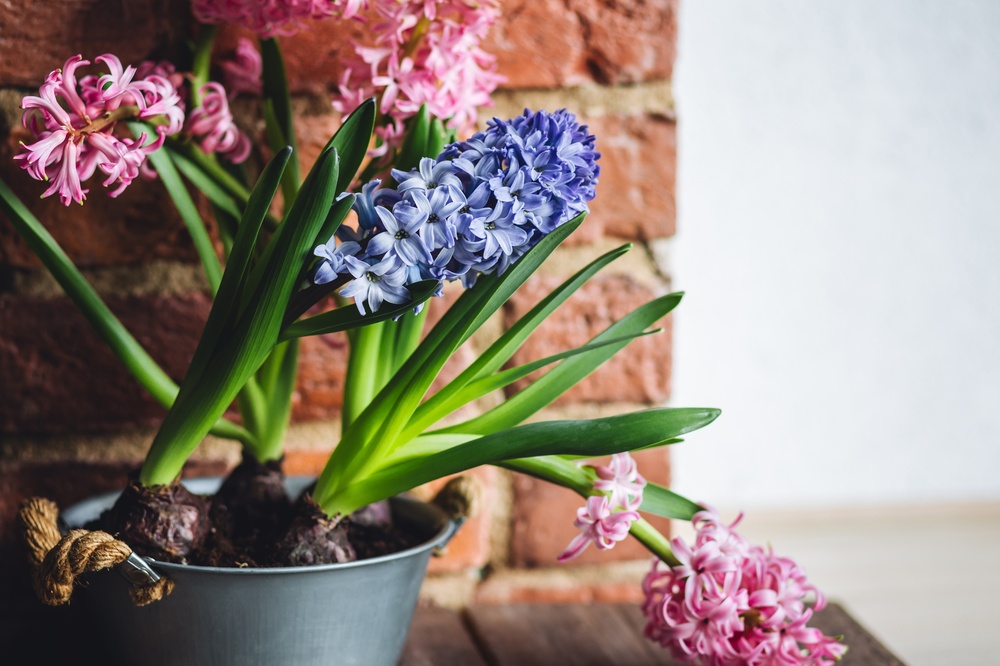
Winter can feel like it drags on forever, but your home doesn’t have to be a dreary, gray waiting room until spring. Imagine walking past a vibrant burst of color, the air scented with delicate floral perfume, and knowing you coaxed it from a humble bulb in your own cozy living room. Indoor forcing is the ultimate botanical magic trick—no green thumb required, just a bit of patience, a touch of love, and some strategic planting.
With Valentine’s Day around the corner, there’s no better time to bring romance, cheer, and pure floral joy into your home.
1. Tulips
Tulips are the quintessential symbol of spring, and when forced indoors, they can make a stunning appearance right in February. To get them to bloom, start with chilled bulbs—most grocery or garden store bulbs need around 12–16 weeks of cold treatment. Choose a bright, sunny windowsill, and plant them in well-draining soil to mimic their natural springtime conditions. Tulips come in every color imaginable, from soft pastels to bold, fiery reds, which makes them perfect for Valentine’s décor. They thrive in pots where the bulbs are snugly packed, encouraging upward growth and dramatic, tall stems.
Once they bloom, rotate the pot occasionally so the flowers grow evenly toward the light. A bonus: tulips are relatively low maintenance, making them ideal for both experienced gardeners and total beginners.
2. Hyacinths
Hyacinths are a fragrance powerhouse, filling your home with the intoxicating scent of early spring. These bulbs need a chilling period similar to tulips, typically kept in a refrigerator or cold basement for 10–12 weeks. When you plant them in pots indoors, water sparingly until roots establish, then keep them in a cool, bright spot. Hyacinths bloom in dense, cone-shaped clusters that bring a playful and luxurious touch to any room. They come in colors ranging from vibrant pinks to deep blues, making them a showstopper for Valentine’s Day arrangements. If you want to prolong the scent and bloom, move the pot into indirect light after the flower spikes appear. Handling these bulbs carefully is key—their fragrance is strong, but the bulbs themselves can be slightly toxic if ingested, so keep them out of reach of pets and children.
3. Daffodils
Daffodils are classic, cheerful flowers that almost scream “spring is coming!” Their sunny yellow or creamy white blooms are perfect for brightening up gray winter days. For indoor forcing, start with chilled bulbs and plant them in a deep pot so the roots have room to grow. Keep the soil moderately moist and place the pot somewhere cool until shoots appear. Once the stems emerge, move the pot to a brighter location to encourage fuller flowering. Daffodils are surprisingly resilient indoors, often reblooming if treated gently. Plus, they create a dramatic contrast when paired with other forced bulbs like hyacinths or crocuses, giving your living space an early spring explosion of color.
4. Crocuses
Crocuses are petite powerhouses, small but mighty in their ability to brighten up winter days. They’re perfect for low pots or decorative bowls filled with soil or moss. Chilled bulbs planted in late autumn or early winter can produce blooms just in time for Valentine’s Day. Crocuses thrive in sunny windows and benefit from consistent moisture—but not soggy soil, which can cause rot. Their flowers come in purple, white, yellow, and even striped varieties, giving you endless design possibilities. One fun tip: layer crocuses in the same pot for a dense, carpet-like effect that’s impossible to ignore. These cheerful blooms often pop up in clusters, creating a sense of abundance that lifts any room’s energy.
5. Paperwhite Narcissus
Paperwhites are a forcing superstar because they require almost no chilling—perfect for last-minute floral magic. These bulbs bloom quickly and can fill a room with an unmistakable, sweet fragrance in just a few weeks. Plant them in shallow containers with pebbles or soil, keeping the roots covered but allowing the tips to peek out. They do best in bright, indirect light and only need occasional watering to keep their roots happy. Their creamy white clusters look elegant alone or paired with colorful tulips for contrast. Plus, paperwhites are low maintenance, making them ideal for anyone looking to impress guests or themselves with a rapid indoor bloom.
6. Amaryllis
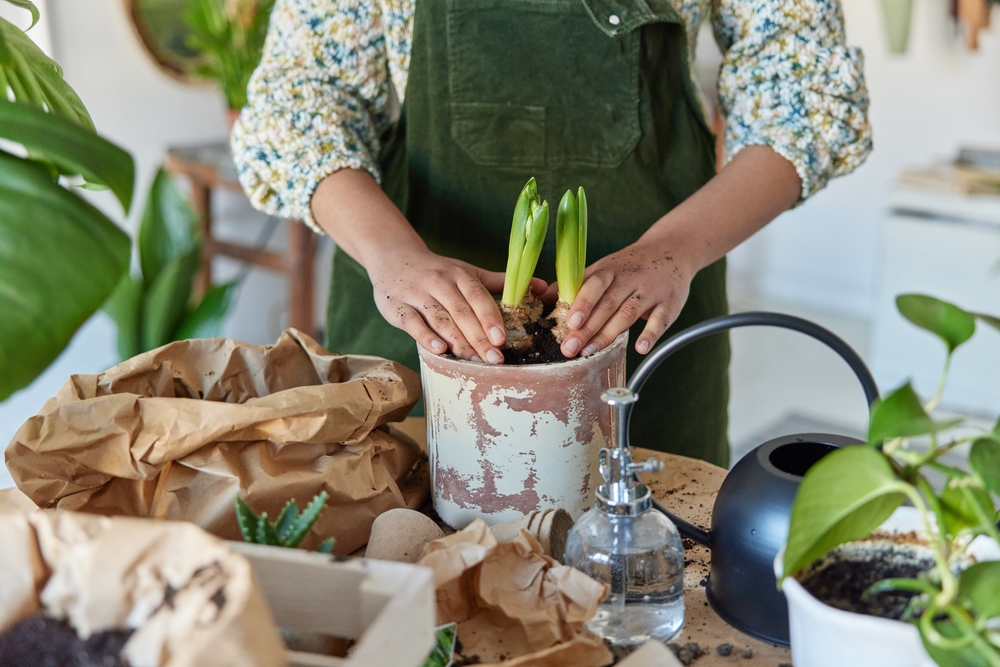
Amaryllis bulbs are dramatic, show-stopping flowers that demand attention. Plant them in a large pot with well-draining soil, leaving the top third of the bulb exposed. Water sparingly until roots appear, then move them to a warm, sunny spot. Blooms can reach up to 10 inches across, and the flowers’ vibrant reds, pinks, and whites make them perfect for Valentine’s Day displays. These bulbs are slower to force than some others, often taking six to eight weeks, but the payoff is immense. Their tall, elegant stems make them excellent for centerpieces, and you can enjoy multiple flowers per stalk if you give them proper care.
7. Fritillaria
Fritillaria is a lesser-known bulb that adds architectural flair to indoor gardens. Its nodding, bell-shaped flowers have a unique charm, and many varieties feature subtle, intricate patterns. Chilled bulbs planted in early winter bloom beautifully indoors when given bright, indirect light. Fritillarias prefer deeper pots and consistent moisture, so keep a careful eye on the soil. They’re perfect for gardeners looking to impress with something slightly unexpected and sophisticated. With hues ranging from deep burgundy to soft yellow, they complement both traditional and modern décor effortlessly.
8. Ranunculus
Ranunculus bulbs produce layers of delicate petals that resemble intricate roses. These bulbs need a cold period before planting and flourish in sunny indoor spots with well-draining soil. Water them moderately and keep the foliage healthy for maximum bloom. Their lush, bright flowers come in pink, red, yellow, and white, making them ideal for romantic or celebratory settings. Ranunculus bulbs reward patient growers with showy, long-lasting flowers that are perfect for bouquets or standalone pots. They bring a playful, whimsical vibe that contrasts beautifully with taller bulbs like amaryllis.
9. Anemone
Anemones offer vibrant splashes of color and a light, airy feel that brightens any room. They need chilling for optimal indoor flowering and thrive in containers with excellent drainage. Regular watering and indirect light help produce delicate, poppy-like blooms that can last weeks. Colors range from soft pastels to dramatic purples and reds, giving you lots of room for creative arrangements. Anemones are great for mixing with other early bloomers, creating layered, textured displays. Their fragile elegance makes them a romantic addition to Valentine’s décor.
10. Snowdrops
Snowdrops are winter miracles, small and subtle but endlessly charming. Their white, bell-shaped flowers are often the first to appear outdoors, and indoors they can be coaxed into early bloom with a chilling period. Plant them in pots with moist, well-draining soil, and place in a cool, bright location. Snowdrops pair beautifully with darker pots to make their delicate white petals pop.
While modest in size, they’re perfect for tiny windowsills or as part of a clustered indoor arrangement. They bring a touch of purity and anticipation for spring that’s hard to beat.
11. Alliums
Alliums are bold, globe-shaped flowers that turn heads indoors. They need a cold period before forcing and grow best in deep pots for their long stems. Their flowers range from purple to lavender and even pink, giving a dramatic statement to any room. Alliums prefer bright light and moderate watering, with attention to keeping the bulbs from sitting in soggy soil. They can be paired with softer blooms like crocuses or ranunculus for contrast. Their striking geometric shapes make them modern, sophisticated, and impossible to ignore.
12. Crocosmia
Crocosmia bulbs are tropical-looking blooms that add warmth to indoor gardens. Chilled bulbs planted in pots with well-draining soil can produce fiery red or orange flowers just in time for Valentine’s Day. Their tall, arching stems create movement and height in floral arrangements, perfect for statement pieces. Crocosmia enjoys sunny locations and regular watering, with careful attention to avoid root rot. Their vibrant, dynamic flowers bring energy and flair to any room, making them a lively addition to your indoor forcing lineup.
Celebrate Your Blooming Success
Forcing bulbs indoors is more than gardening—it’s a little adventure, a test of patience, and a guaranteed mood booster. Whether you choose the heady fragrance of hyacinths, the bold drama of amaryllis, or the subtle charm of snowdrops, each bloom is a reminder that even in winter, life is bursting with color.
We’d love to hear how your indoor blooms turn out, or any unexpected tricks you’ve discovered along the way. Drop your thoughts and experiences in the comments below, and let’s celebrate these beautiful winter miracles together!
You May Also Like…
Which Indoor Plants Are Best For The Start Of The New Year?
Is Starting Seeds Indoors in Winter Really Worth the Cost?
6 Flowers That Bloom Reliably Even in Poor Soil
7 Container Gardens You Can Move Indoors for Winter Success
Why Indoor Gardening Is Trending in Cold-Climate Homes

Brandon Marcus is a staff writer for FrugalGardening.com at District Media, Inc., where he delivers practical gardening advice with a relatable, no-nonsense style. An avid amateur gardener, he holds a BA degree and with over ten years of professional writing experience, he is also an award-winning published author whose first book, Questions For Deep Thinkers, was released by Adams Media. His work has appeared in major publications including Fandom.com, CHUD.com, TheColdWire.com, and Fansided.com.
Leave a Reply