Trash day is secretly one of the most exciting days for a gardener. While bags hit the curb and bins roll out, a small fortune in garden gold quietly disappears into landfills. Everyday items with serious soil-boosting, plant-feeding, weed-fighting potential are tossed without a second thought.
This isn’t about hoarding junk or turning your yard into a scrapyard science experiment. It’s about recognizing that some of the best garden helpers are already floating through your life for free. Once you know what to look for, you’ll never see garbage day the same way again.
1. Coffee Grounds
Used coffee grounds are a garden favorite for a reason, and millions of pounds are tossed every single week. They add organic matter to soil, improving texture and helping it retain moisture without turning swampy. Despite the myth, brewed coffee grounds are mostly neutral in pH, making them safe for most plants. Earthworms adore them, and where worms thrive, soil health follows.
Sprinkling grounds lightly around plants can also discourage slugs and snails that hate crawling over gritty surfaces. Just avoid dumping them in thick piles, because even good things need balance to work their magic.
2. Cardboard Boxes
Cardboard boxes may scream “recycling bin,” but gardeners hear “weed suppression” and “soil improvement.” Plain, non-glossy cardboard makes an excellent base layer for garden beds, smothering weeds without chemicals. Over time, it breaks down and feeds beneficial microbes underground. It’s especially useful for starting new beds on grass or tired soil that needs a reset. Cardboard also helps retain moisture, meaning less watering during hot stretches. Remove tape and labels, lay it flat, water it well, and let nature take it from there.
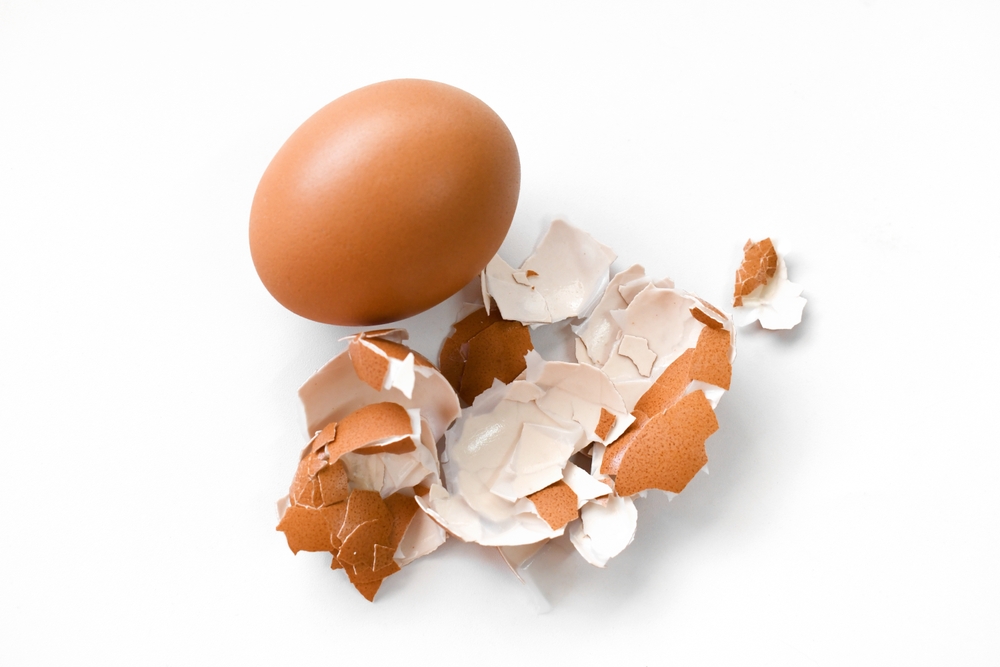
3. Eggshells
Eggshells are quietly powerful, yet they’re cracked and tossed by the dozen. They’re rich in calcium, which helps prevent blossom end rot in tomatoes, peppers, and squash. When crushed finely, they break down faster and release nutrients into the soil more efficiently. Eggshells also create a sharp, uncomfortable surface that crawling pests would rather avoid. Tossing them into compost adds long-term mineral benefits to future garden beds. They won’t fix soil overnight, but steady use builds healthier ground year after year.
4. Grass Clippings
Freshly cut grass often ends up bagged and forgotten, but it’s one of the best free mulches around. Spread thinly, grass clippings help lock moisture into soil and suppress weeds before they can sprout. They also break down quickly, adding nitrogen that plants crave for leafy growth. Clippings can heat up if piled too thick, so moderation matters here. Let them dry slightly before using to avoid matting. When used right, grass clippings turn routine lawn maintenance into a soil-building powerhouse.
5. Fallen Leaves
Leaves are autumn’s confetti, and most of it gets hauled away like a nuisance. In reality, fallen leaves are packed with nutrients pulled from deep within trees all season long. Shredded leaves make excellent mulch, insulating soil and protecting roots from temperature swings. Left whole, they can still be used in compost piles or as winter protection for garden beds.
Leaves also provide habitat for beneficial insects and pollinators during colder months. Every bag of leaves saved is a small victory for your garden ecosystem.
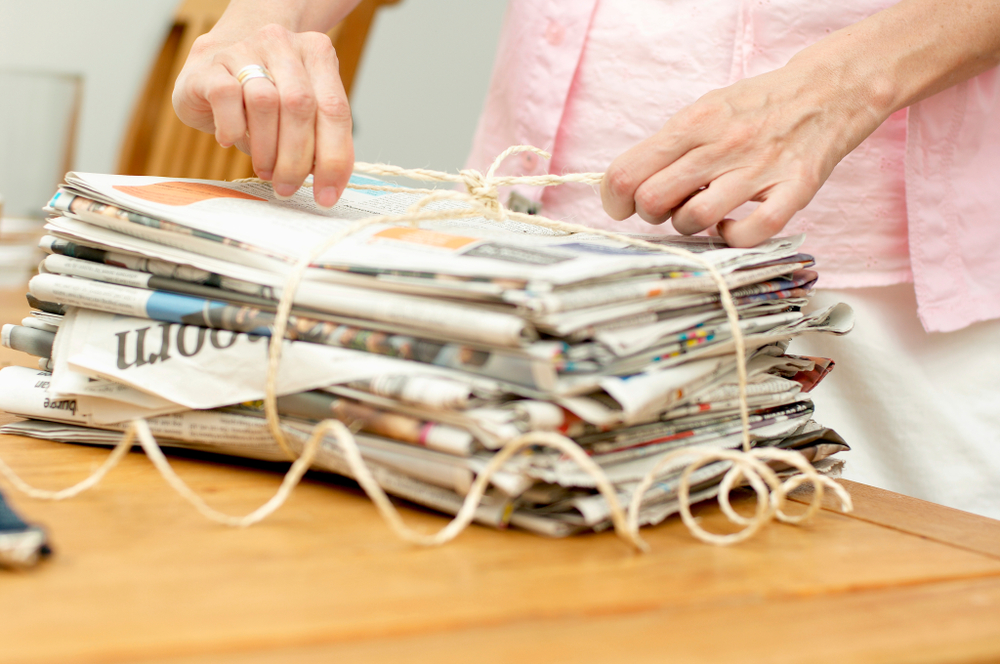
6. Newspaper
Newspaper might feel old-school, but in the garden, it’s timelessly useful. Layers of newspaper block sunlight, stopping weeds before they ever see the day. As it breaks down, it adds carbon to the soil, balancing nitrogen-rich materials like kitchen scraps. It’s ideal under mulch, gravel paths, or raised beds. Black-and-white print is safest, as modern inks are typically soy-based. Wet it thoroughly before laying it down, and it stays put while doing its quiet, hardworking job.
7. Vegetable Scraps
Carrot peels, onion skins, and lettuce ends are often seen as kitchen waste, yet gardeners know better. These scraps are compost gold, feeding microbes that transform leftovers into rich, dark soil. Even without a formal compost pile, scraps can be buried directly in garden beds to decompose naturally. They return nutrients to the earth instead of locking them away in landfills. Avoid meats, dairy, and oils, which attract pests and cause odors. With a little planning, dinner prep becomes tomorrow’s soil enrichment.
8. Wood Ash
After a cozy fire, wood ash often heads straight to the trash, but gardens can put it to work. It contains potassium and trace minerals that support flowering and fruiting plants. Wood ash can also raise soil pH slightly, which benefits plants that prefer less acidic conditions. Sprinkled lightly, it may help deter certain insects and slugs. Too much can overwhelm soil chemistry, so restraint is key. Used carefully, ash turns last night’s fire into next season’s harvest boost.
From Trash To Thriving Gardens
Gardening doesn’t have to be expensive to be effective, and these everyday throwaways prove it. What most people discard without a thought can quietly transform soil, feed plants, and build healthier gardens over time. Paying attention to what’s already around you opens the door to more sustainable and creative growing. Every reused scrap keeps waste out of landfills and puts it back where it belongs.
If you’ve turned an unlikely item into a garden success story, the comments section below is waiting for your experience.
You May Also Like…
10 Creative Wreath Ideas Using Garden Materials
The 5 Best Ways To Introduce Gardening To Your Kids
10 Recycled Materials That Make Your Garden Better (and Cheaper)
From Trash to Treasure: Transform Shredded Paper Into Garden Gold
8 Easy Seed-Starting Setups Using Stuff You Already Own

Brandon Marcus is a staff writer for FrugalGardening.com at District Media, Inc., where he delivers practical gardening advice with a relatable, no-nonsense style. An avid amateur gardener, he holds a BA degree and with over ten years of professional writing experience, he is also an award-winning published author whose first book, Questions For Deep Thinkers, was released by Adams Media. His work has appeared in major publications including Fandom.com, CHUD.com, TheColdWire.com, and Fansided.com.
Leave a Reply