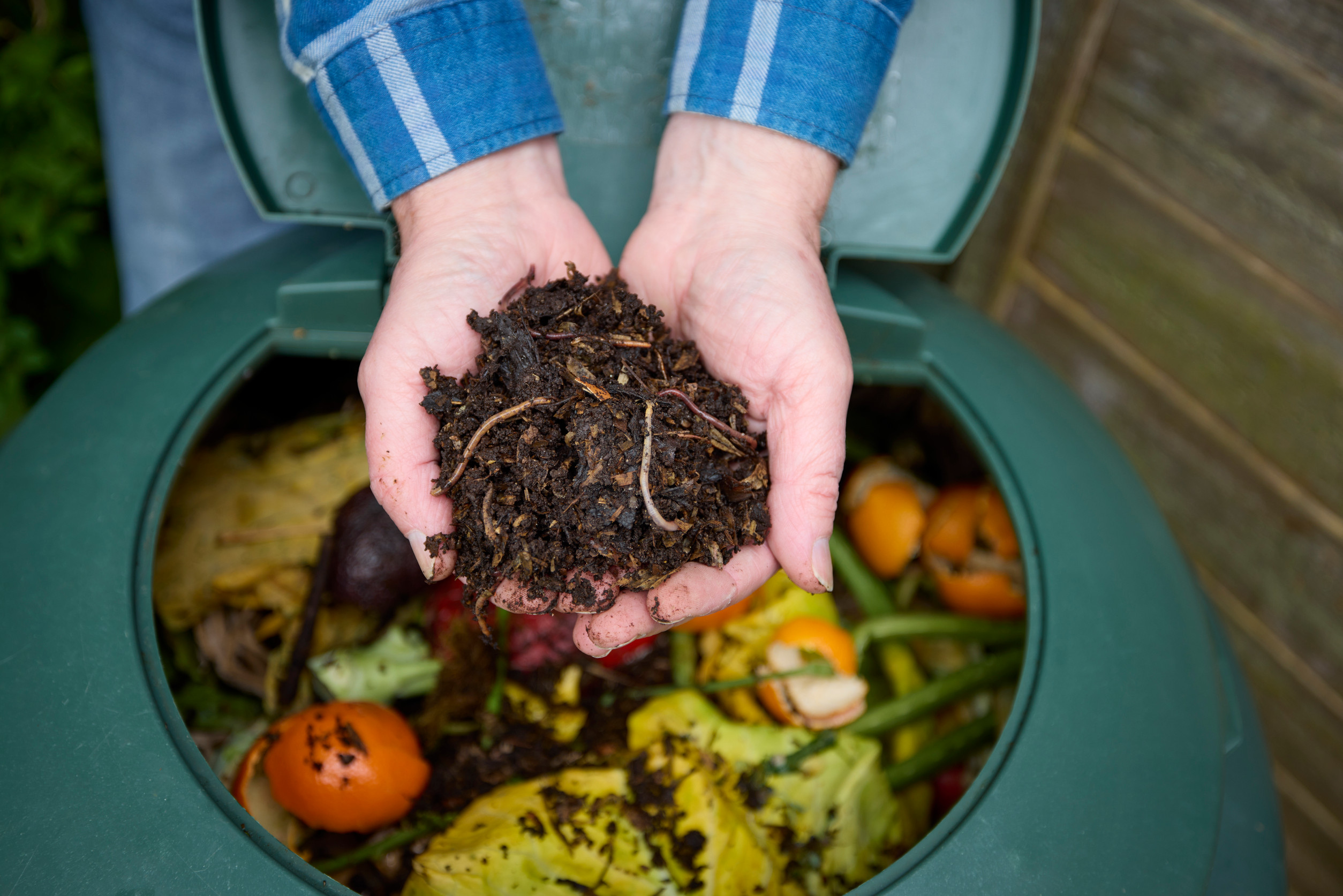
Ah, autumn — that magical time of year when the air gets crisp, your neighborhood smells like pumpkin spice, and your yard looks like a confetti explosion of red and gold leaves. It’s also the best time to supercharge your compost pile. While most people think composting is a spring or summer project, fall holds a few sneaky advantages that even seasoned composters sometimes overlook.
Think of it as nature’s secret reset button for your garden’s soil. So grab your rake, toss on a cozy sweater, and let’s dive into seven composting tricks that only truly work in autumn!
1. The Leaf Layering Secret
Autumn leaves are basically gold—composting gold. While they look messy scattered across your lawn, they’re one of the richest sources of carbon you’ll find all year. When shredded or crushed, they break down faster and add essential “brown” material to balance your compost’s “green” waste. The trick? Layer them like a lasagna—alternate leaves with food scraps, grass clippings, or coffee grounds, and you’ll have a perfectly balanced, aerated pile that stays active through winter. Come spring, those crisp leaves will have transformed into a nutrient-packed soil booster.
2. The Pumpkin Power Move
Halloween might be over, but your jack-o’-lanterns still have one last trick up their sleeve—they make phenomenal compost. Pumpkins are loaded with moisture and nitrogen, which help jump-start decomposition. Just remove any candles, stickers, or paint, then chop them into smaller chunks before tossing them in. Mixing pumpkin bits with dry leaves or sawdust creates a warm, cozy environment for microbes to thrive. Bonus: worms love pumpkins, and the more worms you’ve got, the faster your compost cooks.
3. The “Warm Blanket” Insulation Method
As temperatures drop, composting slows down—but only if you let it. One of the smartest autumn composting hacks is insulating your pile like it’s preparing for a winter nap. Cover it with a thick “blanket” of straw, shredded leaves, or even burlap to trap in warmth. This keeps the microbes toasty and active long after frost hits the ground. You can even build a simple windbreak around the pile with old pallets or boards—it’s like giving your compost its own little cabin in the woods.
4. The Apple Core Advantage
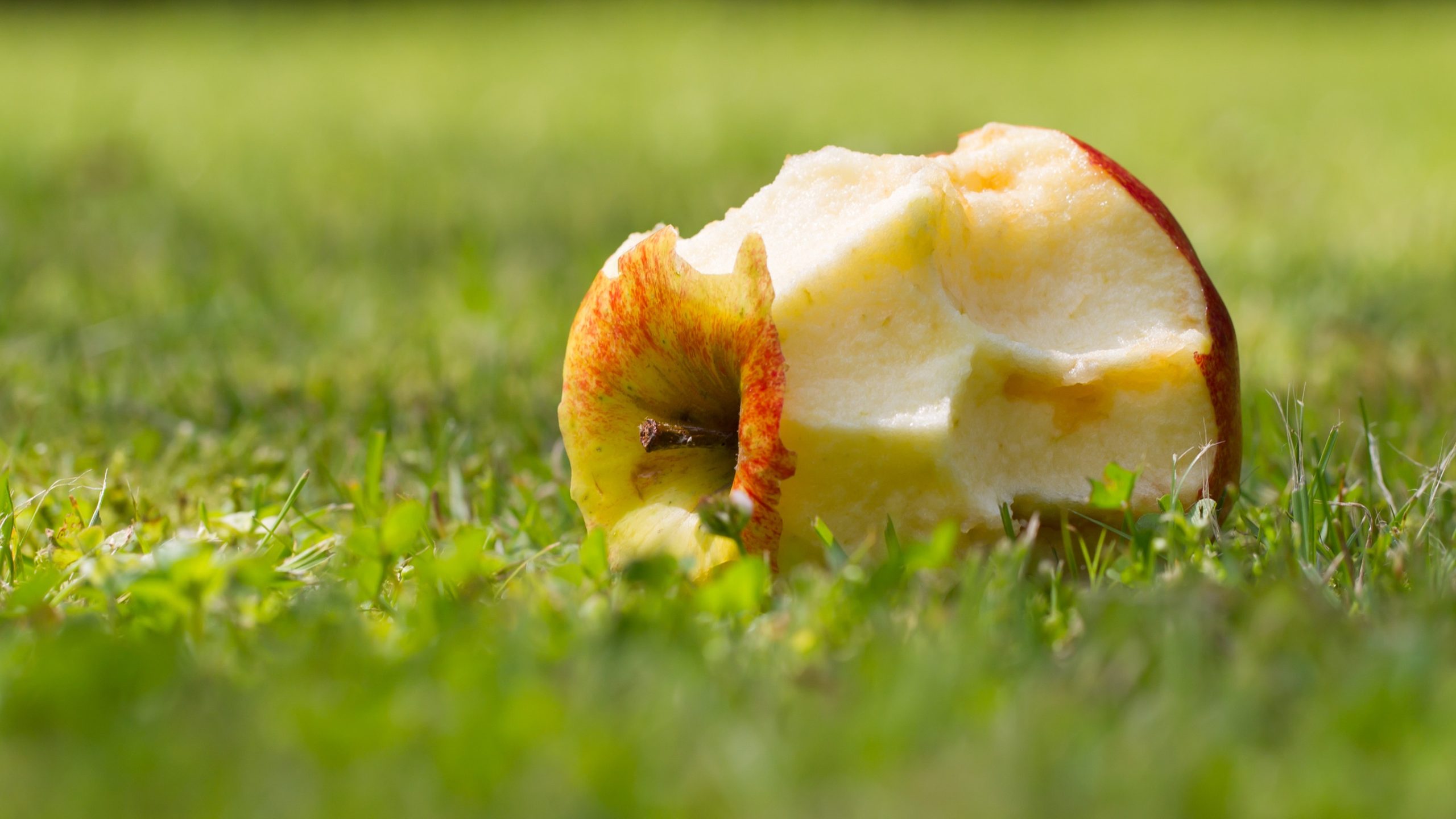
If you’re an apple lover, autumn is your season—and so is your compost’s. Apple cores, peels, and bruised fruit add natural sugars that feed the beneficial bacteria in your pile. The result? Faster decomposition and less odor. Just be sure to mix them with dry materials like leaves or shredded newspaper, because apples are high in moisture and can make your pile too soggy on their own. You’ll notice that sweet, earthy smell—proof your compost is humming along perfectly.
5. The Rainwater Reboot
Fall rains can actually be your compost’s best friend—if you know how to manage them. A little moisture keeps your pile biologically active, but too much can drown it and slow everything down. Use the season’s natural rainfall to your advantage by placing your compost where it can get gentle, indirect water. If things get too wet, toss in more dry leaves or cardboard to balance it out. It’s nature’s way of giving your compost a perfectly timed refresh before winter sets in.
6. The Garden Cleanup Combo
Autumn is prime time for garden clean-up—and that means free compost fuel everywhere you look. Those dead annuals, vegetable stems, and faded blooms aren’t trash—they’re treasure. Chop them up into smaller pieces before adding them to your pile to help them break down faster. Be sure to skip any diseased plants, though; you don’t want to reintroduce those problems next spring. The mix of green garden waste and crunchy fall debris creates a well-balanced compost cocktail that’ll make your spring soil sing.
7. The “Pre-Winter Turn” Technique
Here’s the final autumn trick that many gardeners overlook: give your compost a serious turn before the ground freezes. Mixing it up in late fall redistributes moisture, aerates the pile, and helps trapped heat spread evenly. This simple step can keep decomposition humming along even in cold weather. Plus, turning your compost now means less work (and smell) come spring. It’s like hitting the “refresh” button before your garden’s long winter nap.
Fall Is Compost’s Secret Weapon
Autumn isn’t just about cozy sweaters and pumpkin lattes—it’s a hidden gem for composting success. With falling leaves, cooler weather, and plenty of organic material, the season practically sets your compost up for greatness. Whether you’re layering leaves, burying pumpkins, or insulating your pile for winter, every step you take now pays off big when spring rolls around. Your garden will thank you with richer soil, healthier plants, and that unbeatable earthy aroma only true compost fans appreciate.
Have your own autumn composting trick? Share your stories, insights, or creative compost hacks in the comments below.
You May Also Like…
Use These 8 Winter Composting Tips for Gardeners
8 Compost Ingredients That Break Down Faster in Fall
The Secret Role of Dew in Autumn Gardening
5 Fall Weeds You Should Pull Immediately
Why Fall Is the Best Season to Start a Compost Pile

Brandon Marcus is a staff writer for FrugalGardening.com at District Media, Inc., where he delivers practical gardening advice with a relatable, no-nonsense style. An avid amateur gardener, he holds a BA degree and with over ten years of professional writing experience, he is also an award-winning published author whose first book, Questions For Deep Thinkers, was released by Adams Media. His work has appeared in major publications including Fandom.com, CHUD.com, TheColdWire.com, and Fansided.com.
Leave a Reply