Gardening sounds peaceful, doesn’t it? A little soil under your nails, a few seeds in the dirt, maybe some sunlight on your face. But some plants have bigger ambitions than just looking pretty. They want to take over your garden like it’s their own personal kingdom. If you think you can just pull them out or ignore them for a season, think again.
These plants are the Houdinis of the horticultural world—they slip away when you think you’ve caught them, multiply when you aren’t looking, and pop up where you least expect. By the time you realize what’s happening, you’re no longer gardening, you’re negotiating with a leafy overlord.
1. Bamboo: The Green Bulldozer
Bamboo may look serene and elegant, swaying in the breeze like a zen garden dream, but don’t let the aesthetics fool you. Certain species, especially the running varieties, spread underground at breakneck speed through rhizomes that can zip under fences, sidewalks, and even between concrete cracks.
Once established, bamboo is nearly impossible to eradicate completely. Digging it up can be a full-time job, because leaving even a small piece of root in the soil can mean starting over. For those willing to attempt a containment strategy, thick barriers—usually metal or heavy-duty plastic installed a couple of feet deep—can slow the march, but they require vigilance and constant maintenance.
2. Mint: The Flavorful Fugitive
Mint is delicious, fragrant, and fantastic in teas, desserts, and mojitos, but it has a notorious reputation for turning a tidy garden into a mint jungle overnight. This hardy herb spreads through underground runners called stolons, popping up in areas you never planted it. Try digging up mint, and you’ll quickly find out that any tiny root fragment left behind will sprout into a new plant. Container planting is one of the few ways to keep this invader in check.
If you plant it in open ground without barriers, expect to be in a constant battle of willpower, because mint does not take “no” for an answer. Your garden might look like it’s full of mint at first, but after a few months, you’ll realize it’s practically hosting its own mint farm.
3. English Ivy: The Persistent Climber
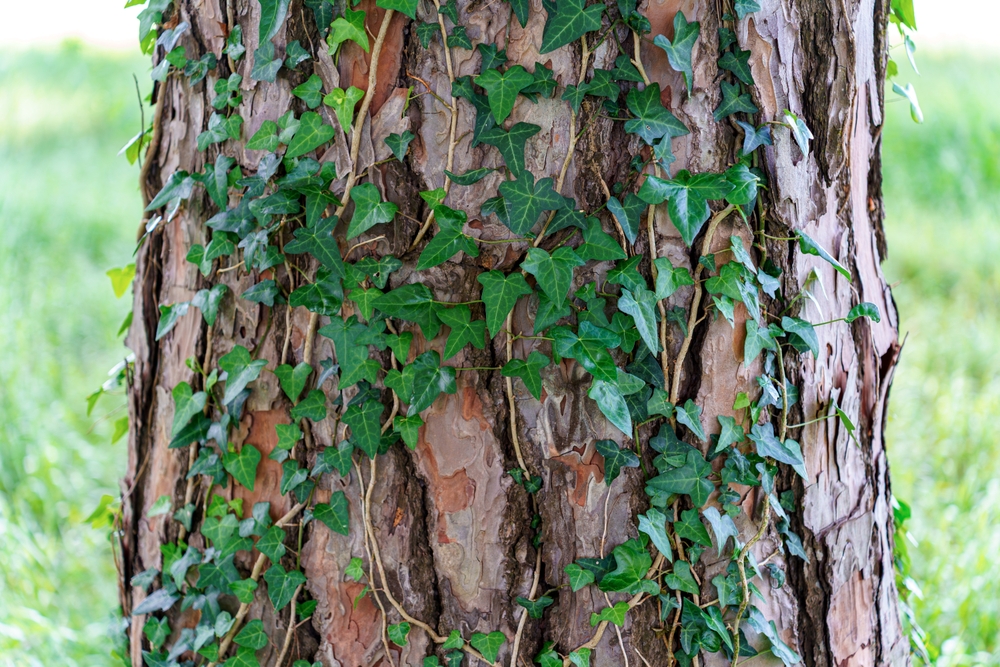
English ivy has charm on its side—it’s glossy, lush, and can turn a wall or trellis into a picturesque scene. But that charm comes at a price. Ivy doesn’t just grow where you plant it; it creeps, clings, and climbs like it owns everything in its path. Its aerial rootlets stick to nearly any surface, allowing it to colonize walls, trees, and garden structures.
If left unchecked, it can smother other plants and create a thick mat that is nearly impossible to remove. Simply cutting it back is not enough—ivy has a stubborn habit of regenerating from any leaf node left behind. For those who love ivy, the key is strict maintenance, but if you’re looking for a low-effort groundcover, this might not be your plant.
4. Daylilies: The Undercover Perennial
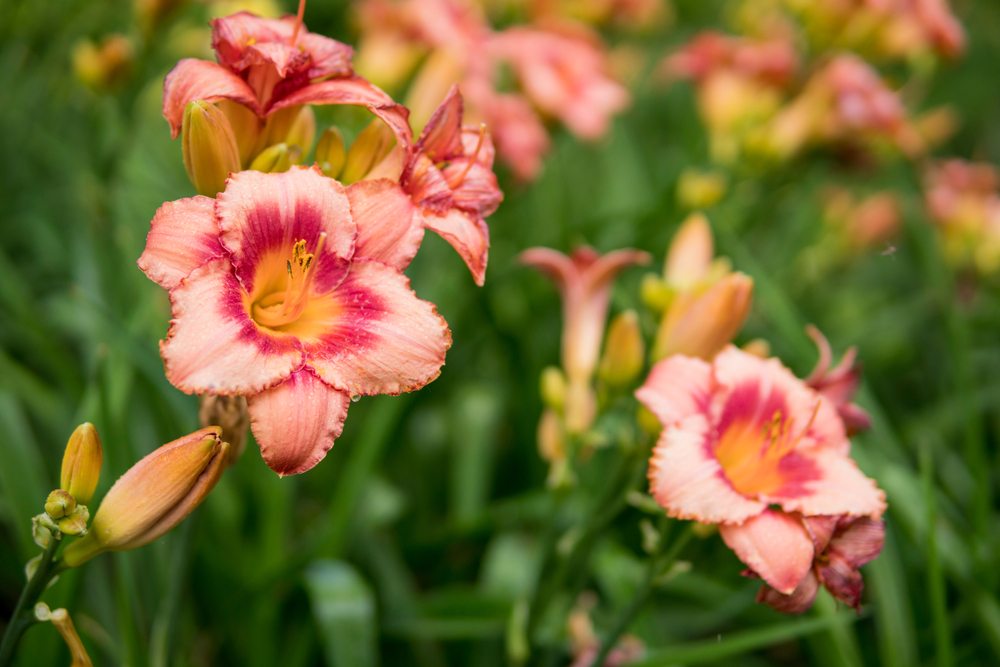
Daylilies are the garden equivalent of a stealthy invader. With their bright blooms and carefree attitude, they lure gardeners in with the promise of easy beauty. But underneath, they’re multiplying machines.
Daylilies propagate through underground rhizomes, creating dense clumps that can overrun neighboring flowers and vegetables. Once they spread, extracting them without disrupting the rest of your garden is nearly impossible. Digging carefully and consistently can help, but even then, one overlooked root is enough to restart the cycle. For gardeners who appreciate persistence and color, daylilies are a dream. For those who want control over their plot, they are a constant challenge.
5. Kudzu: The “Vine That Ate the South”
If you’ve ever heard of kudzu, you know it has earned a fearsome reputation. Originally introduced as an ornamental plant and soil stabilizer, kudzu grows at extraordinary speeds—up to a foot per day under ideal conditions. It climbs trees, fences, and buildings with equal fervor, forming thick mats that block sunlight and strangle other plants.
Kudzu is one of the few plants that can truly take over entire areas if left unchecked. Even repeated cutting often fails to stop it because the roots store enough energy to regrow vigorously. For gardeners not equipped to wage a botanical battle, kudzu is a hard pass. It’s visually impressive, but its ability to dominate landscapes makes it a nightmare for most homeowners.
When Plants Decide to Stay Forever
Some plants are just too ambitious to let go. Once they establish themselves, they operate on their own terms, turning your carefully planned garden into a living lesson in persistence, patience, and occasional frustration.
The key to living with them—or around them—is understanding their growth patterns and planning accordingly. Planting in containers, using root barriers, or dedicating a specific plot for these aggressive species can give you back some control. Otherwise, accept that your garden is no longer fully yours.
Which of these unstoppable plants have you encountered in your own garden, and how did you survive the leafy takeover? Give us all of your stories in the comments below.
You May Also Like…
This Viral Gardening Hack Is Quietly Killing Plants — And Costing You More
5 Reasons Why Every Gardener Should Focus On Native Plants
These Plants Could Get You Fined — Most Gardeners Have No Idea
Experts Say This Winter Habit Is Causing Houseplants to Drop Leaves
These Plants Could Get You Fined in Your State This Year

Brandon Marcus is a staff writer for FrugalGardening.com at District Media, Inc., where he delivers practical gardening advice with a relatable, no-nonsense style. An avid amateur gardener, he holds a BA degree and with over ten years of professional writing experience, he is also an award-winning published author whose first book, Questions For Deep Thinkers, was released by Adams Media. His work has appeared in major publications including Fandom.com, CHUD.com, TheColdWire.com, and Fansided.com.
Leave a Reply