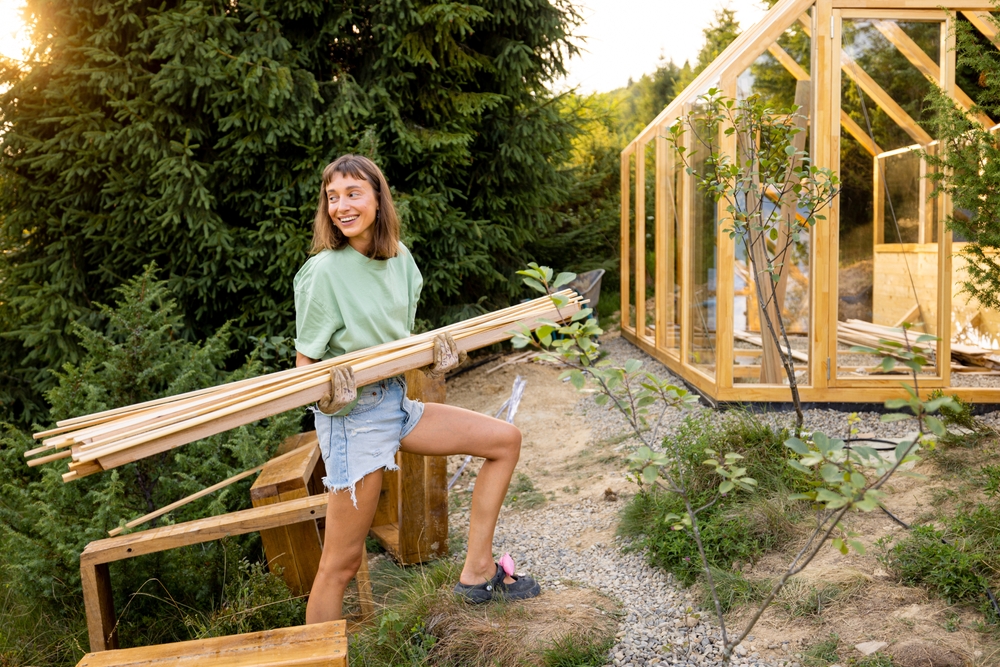
Greenhouses are more than just glass boxes—they’re magical little ecosystems where seeds transform into lush vegetables, vibrant flowers, and aromatic herbs. The thrill of opening your greenhouse in early spring and discovering your plants thriving before the outside world has even thawed is unmatched. But here’s the catch: if you want this botanical glory, timing is everything. Build too late, and you risk a delayed season; start too early, and you could waste effort, materials, and precious energy.
So, when is the perfect moment to break ground, assemble panels, and set the stage for a growing season that could make your neighbors jealous?
Understanding Your Local Climate And Frost Dates
Before swinging a hammer or snapping together polycarbonate panels, knowing your climate is essential. Frost dates are your green light—these are the average dates for the last frost in spring and the first frost in fall. Starting too early in a chilly climate can lead to frost damage to your plants or wasted heating costs in the greenhouse. Conversely, in warmer zones, building early can give you a jumpstart on seedlings, giving you months of productive growth before the heat of summer. Check local agricultural extensions or online tools for accurate frost date predictions so you can plan confidently.
Choosing The Right Spot For Maximum Sunlight
The best greenhouse in the world won’t grow a tomato if it’s stuck in the shade. Positioning your greenhouse in a sunny spot is critical, ideally where it will get 6–8 hours of sunlight daily. South-facing is usually best in the northern hemisphere, while north-facing works for the southern hemisphere. Avoid areas with heavy tree cover or shadows from buildings, as inconsistent sunlight can stunt plant growth. Even small shifts in placement can dramatically affect temperature control, light availability, and overall plant health.
Selecting Materials And Greenhouse Types
Not all greenhouses are created equal, and your choice affects when you should start building. Glass greenhouses are beautiful but expensive and fragile, while polycarbonate or polyethylene options are lighter, cheaper, and easier to assemble. Hoop houses and tunnel greenhouses are fast to set up, perfect for early starters who want a head start on the season. Consider durability versus ease: a permanent, sturdy structure can withstand winter snow, while a temporary one may be ideal for quick-season growth. Your material choice also dictates preparation time; some require a foundation or permits, so plan ahead to avoid delays.
Prepping The Ground And Foundation
A greenhouse is only as solid as its foundation, and early prep makes all the difference. Clear your site of debris, level the ground, and consider a gravel base or concrete footings for stability and drainage. Early winter or late fall prep can save springtime headaches when enthusiasm is high but daylight is short. Proper groundwork also reduces pest issues and water pooling, which can be disastrous for seedlings. Taking time for this step before the snow melts ensures your greenhouse is ready to go the moment the weather allows.
Planning For Water And Ventilation
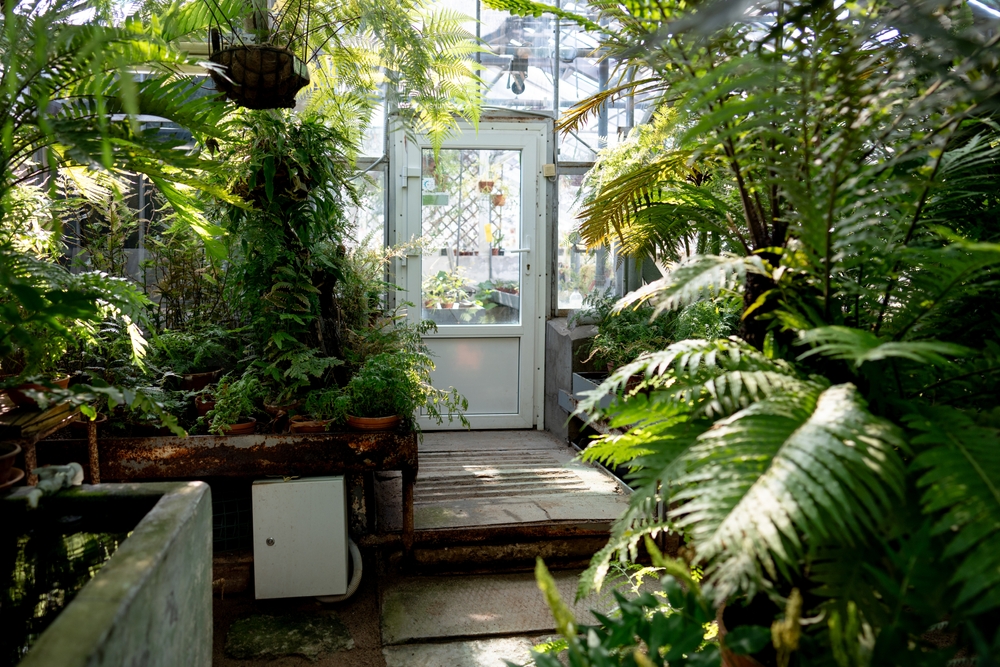
Water and ventilation are often overlooked until plants start suffocating or wilting. Decide early how you’ll supply water—drip irrigation, hose connections, or rainwater collection—and make sure it’s ready before construction finishes. Ventilation prevents mold, heat stress, and stagnant air, so plan windows, vents, or even automatic fans in advance. Early planning means you won’t have to retrofit solutions in the middle of a growing frenzy. Your greenhouse’s climate is just as important as the seeds inside it, so don’t leave airflow or hydration to chance.
Timing Planting And Seedlings
Even with the perfect structure, your greenhouse won’t perform miracles without syncing plant schedules. Some seeds thrive in cold frames, while others need warmth and humidity only a fully built greenhouse can provide. Calculate backward from your desired harvest date to know when seedlings need to be started indoors or under grow lights. Building your greenhouse too late may force you to delay planting, reducing your harvest window. A well-timed start ensures your plants get the optimal environment from seed to maturity.
Considering Maintenance And Seasonal Adjustments
Building a greenhouse is not just about assembly—it’s about upkeep and adaptation. Early planning allows you to install removable panels, insulation, or shade cloth to adjust with changing weather. Wintertime prep, such as reinforcing structures or adding heat sources, can prevent catastrophic collapses or temperature swings. A proactive approach reduces emergencies, keeps your plants safe, and extends your growing season. Thinking about maintenance while planning keeps your greenhouse efficient, durable, and a joy to use year after year.
The Ideal Window To Begin Construction
So, when exactly should you start building? For most climates, late winter to early spring is perfect, giving you time to finish construction before the last frost hits. In milder regions, even late fall can be ideal, letting your greenhouse harden over winter and get a jump on spring growth. The key is aligning your construction timeline with frost dates, seed schedules, and the readiness of materials and tools. Start too early, and you risk damage or wasted effort; start too late, and you’ll miss the crucial early growing window. The best approach is to plan backward from your ideal planting day and work forward from there.
Share Your Greenhouse Journey
Building a greenhouse is an adventure that blends science, art, and a touch of magic. Timing, planning, and preparation are everything, but there’s room for creativity, experimentation, and learning from mistakes. Have you built a greenhouse before, or are you planning your first?
It’s time to write about your tips, challenges, and successes in the comments section below, and help fellow gardeners kick their growing season into high gear.
You May Also Like…
How to Keep Your Greenhouse Warm Without Skyrocketing Energy Bills
The Truth About Growing Food in Containers During Winter
Greenhouse Secrets: How to Turn a Drafty Shed Into a Cozy Plant Haven
6 Ways to Recycle Holiday Decor into Garden Uses
11 Tools You’ll Need for Your Winter Garden Setup

Brandon Marcus is a staff writer for FrugalGardening.com at District Media, Inc., where he delivers practical gardening advice with a relatable, no-nonsense style. An avid amateur gardener, he holds a BA degree and with over ten years of professional writing experience, he is also an award-winning published author whose first book, Questions For Deep Thinkers, was released by Adams Media. His work has appeared in major publications including Fandom.com, CHUD.com, TheColdWire.com, and Fansided.com.
Leave a Reply