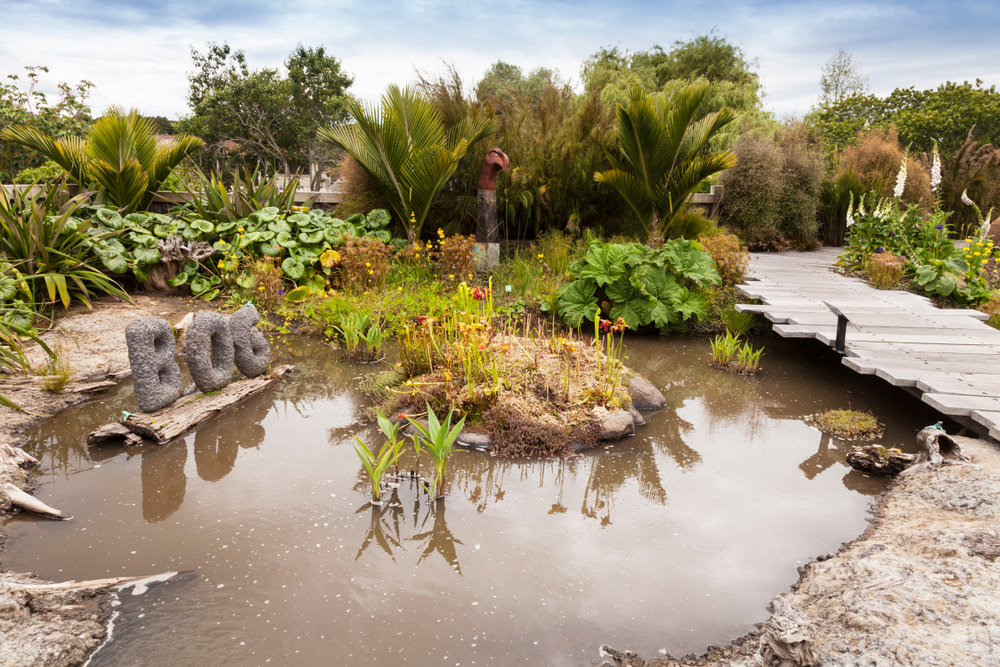
A mini bog garden can work beautifully in a small backyard, and it does not require a pond, a sprawling property, or a landscape crew arriving with a small excavator. A watertight container, the right growing medium, consistent moisture, and a handful of plants that enjoy soggy conditions can create a fascinating little wetland in a surprisingly compact space. Think of it as a tiny ecosystem with excellent manners, provided nobody lets it dry out.
The trick involves treating a bog garden like a bog, not like a regular flower bed with an aggressive watering schedule. Most garden soil drains too quickly or contains too many nutrients for classic bog plants, while ordinary potting soil can create its own problems. With a little planning, even a patio corner, narrow side yard, or sunny patch near a deck can host moisture-loving plants that bring texture, color, insects, birds, and a touch of botanical weirdness to the landscape.
A Container Can Become a Tiny Wetland
The easiest way to create a mini bog garden involves using a large, watertight container without drainage holes. A half barrel, livestock trough, large plastic tub, or purpose-built water-garden container can work, although gardeners should avoid containers that previously held toxic chemicals. A container roughly 18 inches deep gives roots more room and creates a more stable moisture environment than a shallow dish, while the width depends entirely on the available space.
Placement matters almost as much as the container itself. Many classic bog plants prefer several hours of direct sunlight, although the ideal amount depends on the plants selected, and a spot that receives strong morning or afternoon sun often works well. A container near a house can also benefit from a little protection against drying winds, which can turn a miniature wetland into a surprisingly expensive bowl of damp disappointment.
Before adding anything, check whether the container holds water without leaking. That sounds obvious, but a tiny crack can slowly drain the growing medium and leave plants struggling before anyone notices the problem. Avoid adding a drainage layer of gravel at the bottom simply because that technique appears in many ordinary container-gardening instructions, since a bog garden needs a consistently wet root zone rather than a conventional pot with a drainage system.
The Growing Medium Makes or Breaks the Project
Classic bog plants generally prefer an acidic, low-nutrient growing medium rather than rich garden soil loaded with compost and fertilizer. A common approach uses a mixture based on peat moss and coarse sand, although gardeners increasingly may choose peat-free alternatives where suitable products exist and local environmental considerations matter. The exact recipe depends on the plants, but the central idea remains simple: keep the medium acidic, lean, and moisture-retentive.
Regular compost can cause trouble because it supplies nutrients that many specialized bog plants do not need and may not tolerate well. Garden soil can compact, introduce weed seeds, and contain minerals that alter the growing environment. Fertilizer also belongs on the “probably not” list for a classic bog container, especially when the plant selection includes carnivorous species that evolved in nutrient-poor conditions.
Water quality deserves attention, too. Rainwater often works well because it contains fewer dissolved minerals than many tap-water supplies, although local water chemistry varies. Distilled water can provide another option for sensitive carnivorous plants, while gardeners should exercise caution with softened water because water softeners can add salts that create problems for plants.
Pick Plants That Actually Enjoy Wet Feet
A mini bog garden becomes much easier when the plant list matches the conditions instead of forcing a favorite garden plant into a swamp. Sundews, pitcher plants, and certain other carnivorous plants can create a dramatic centerpiece, especially when the container sits in a sunny location. Native bog plants can add even more interest, including moisture-loving sedges, rushes, orchids, and other species suited to the local climate and growing conditions.
Garden centers sometimes label plants as “bog plants” even when those plants prefer consistently moist soil rather than permanently wet conditions. That distinction matters. A plant that enjoys damp soil may rot in a waterlogged container, while a true bog specialist may sulk dramatically if the growing medium dries out.
Plant height and spread also deserve a little planning. A tall pitcher plant can provide a strong focal point, while lower-growing plants can fill the edges without turning the container into a green traffic jam. Leave enough space for each plant to grow, because a mini bog garden should look like a tiny landscape rather than a botanical version of a crowded elevator.
Watering Requires Consistency, Not Constant Fussing
The most important maintenance rule involves keeping the growing medium consistently moist. During hot, dry weather, the water level may drop quickly, particularly in a shallow container exposed to afternoon sun. Checking the garden every few days can prevent a small moisture problem from turning into a full plant emergency.
A useful approach involves monitoring the surface and the overall condition of the container rather than relying on a rigid calendar. If the growing medium begins drying noticeably, add appropriate water slowly and evenly. During rainy periods, the container may need very little help, while a stretch of hot weather can demand much more attention.
Avoid treating the container like a miniature swimming pool with a permanently deep layer of standing water unless the specific plants can handle those conditions. Some bog plants tolerate saturated conditions, but others prefer moisture without their crowns sitting underwater. The goal involves matching the moisture level to the plants rather than assuming every bog plant wants to live in a puddle.
Avoid These Common Mini Bog Garden Mistakes
The biggest mistake involves allowing the garden to dry out completely and then assuming a quick soaking will solve everything. Some plants recover from brief stress, but repeated drying can damage sensitive roots and disrupt the growing environment. A simple reminder on a phone or a quick check during regular backyard rounds can help prevent neglect.
Another common problem involves adding fertilizer because the plants appear small or slow-growing. Bog plants often evolved in environments with limited nutrients, so extra fertilizer can harm rather than help. Rich soil, excessive minerals, and poor water quality can also gradually shift conditions away from what specialized plants need.
Overcrowding creates another headache. A mini bog garden may look sparse at first, but plants can expand considerably during the growing season. Give each specimen room, watch how quickly it grows, and prune or divide only when the plant and species call for it.
A Small Backyard Can Still Make Room for Something Wild
A garden does not need to be large to create a specialized growing environment. A carefully designed mini bog garden can fit into a small backyard while offering unusual plants, fascinating seasonal changes, and a gardening experience that feels completely different from growing tomatoes or marigolds.
Start with the container and the site, then choose plants that match the available light and local climate. Keep the growing medium low in nutrients, pay close attention to water quality, and resist the urge to add fertilizer or cram every interesting bog plant into one container. A little patience can turn a simple watertight tub into one of the most memorable features in the yard.
Could a mini bog garden find a home in your backyard, patio, or balcony garden, and which unusual plant would you choose as the star?
You May Also Like…
7 Fragrant Plants That Make Evening Gardens More Enjoyable
6 Reasons Blackcurrants May Become the Next Backyard Superfruit
Can a Backyard Garden Really Beat Grocery Inflation? We Ran the Numbers
12 Unusual Plants You Won’t Believe Can Survive in the Average Backyard

Brandon Marcus is a staff writer for FrugalGardening.com at District Media, Inc., where he delivers practical gardening advice with a relatable, no-nonsense style. An avid amateur gardener, he holds a BA degree and with over ten years of professional writing experience, he is also an award-winning published author whose first book, Questions For Deep Thinkers, was released by Adams Media. His work has appeared in major publications including Fandom.com, CHUD.com, TheColdWire.com, and Fansided.com.
Leave a Reply