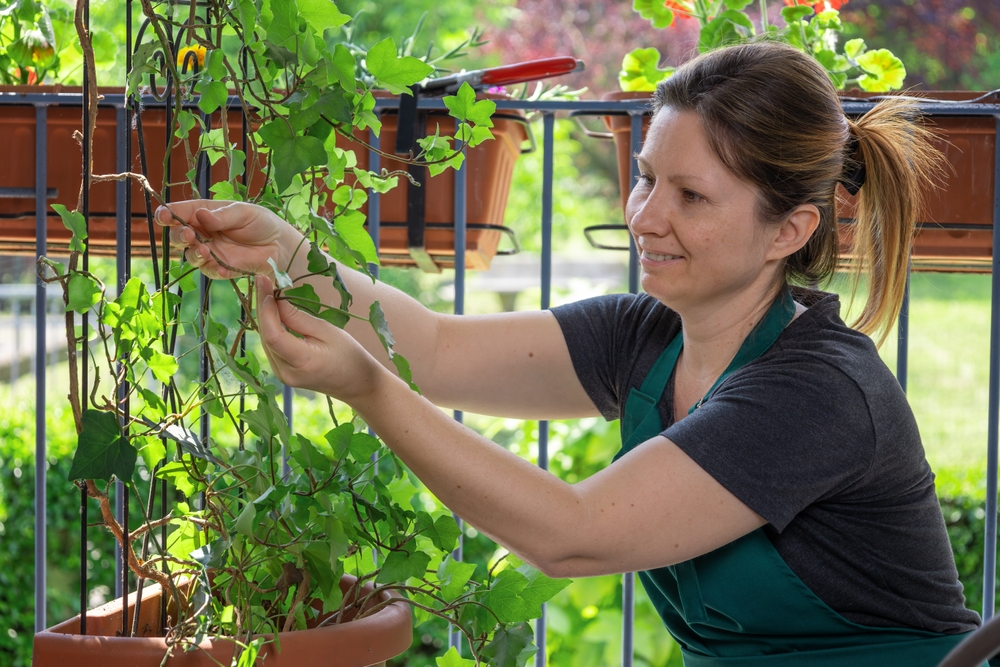
A garden no longer needs a backyard, a fence line, or even a patch of dirt. More people now grow herbs, greens, strawberries, peppers, and compact vegetables in containers perched on tabletops and secured to railings, turning overlooked spaces into surprisingly productive little food gardens.
The appeal makes perfect sense. A tabletop planter puts fresh herbs within arm’s reach of the kitchen, while a railing box can transform a sunny balcony or deck edge into a narrow growing space. These gardens do not demand a shovel, a wheelbarrow, or a heroic battle with a lawn that refuses to cooperate. They simply ask for a good container, suitable sunlight, regular watering, and a little attention.
Small Spaces Finally Get a Seat at the Garden Table
The biggest reason for the tabletop and railing gardening boom involves a simple fact: many homes offer more usable sunlight than usable soil. A sunny patio table, balcony railing, porch ledge, or deck corner can provide enough room for a meaningful harvest when gardeners choose crops that fit the space. Basil, parsley, chives, lettuce, arugula, radishes, bush beans, compact peppers, and strawberries can all work well in containers when gardeners match the plant to the pot. A railing planter also uses vertical space that would otherwise sit empty, which gives gardeners another growing zone without expanding the footprint of the garden. In a small outdoor space, that kind of real estate suddenly looks very valuable.
Tabletop gardening also solves a practical problem that traditional garden beds create for some people. A container at waist height can make planting, weeding, harvesting, and checking for pests easier than kneeling beside a ground-level bed. The arrangement works especially well for anyone who dislikes crawling around in the dirt or who wants a garden close to the kitchen door. A bowl of salad greens on a patio table may not replace an entire vegetable garden, but it can provide a steady supply of ingredients for sandwiches, salads, and weeknight meals. The garden becomes less of a destination and more of a useful household feature.
Containers Turn Everyday Objects Into Growing Space
The magic of this style of gardening comes from its flexibility. A sturdy outdoor table can hold several pots, a narrow planter can fit along a railing, and a deep container can support a compact tomato or pepper plant in a sunny corner. Gardeners can choose containers based on the crop instead of forcing every plant into the same garden bed. That approach makes it easier to give mint its own pot, provide deep soil for a pepper, or keep quick-growing greens close to the back door. The container itself becomes part of the garden design, which means a food-growing space can look attractive instead of resembling a collection of random buckets.
The setup does require a little common sense, especially when a railing enters the picture. A planter needs a secure attachment system designed for the railing, and the railing itself needs to handle the weight of the container, potting mix, and water. A container that feels light in a garden center can become surprisingly heavy after a thorough watering. Gardeners also need to keep drainage water from damaging surfaces below, because a happy plant can still create an unhappy patio. The best setup combines sturdy hardware, drainage holes, lightweight potting mix, and a location that receives enough sunlight for the chosen crop.
The Right Plants Make Small Gardens Feel Much Bigger
Small-space gardening works best when gardeners stop trying to grow everything. A compact pepper plant can provide a long season of harvests from one container, while herbs allow frequent snipping without demanding much room. Leaf lettuce and other greens can produce repeated harvests when gardeners pick the outer leaves and allow the plant to keep growing. Radishes offer a quick crop for a deep enough container, and strawberries can make excellent use of railing planters or hanging containers. Even a few pots can create a useful mix of flavor, color, and fresh produce.
The wrong plant, however, can turn a charming tabletop garden into a daily wrestling match. Large vining squash, sprawling pumpkins, and full-size indeterminate tomatoes can quickly overwhelm a small space unless the gardener provides serious support and room. Container gardeners should check the mature size of a plant before buying the seed packet or nursery transplant. A compact variety does not necessarily mean a tiny plant, so the label deserves a careful look. The goal involves choosing plants that produce generously without demanding more space than the container can provide.
Watering Becomes the Main Event
Container gardens offer excellent control over soil, but they also dry out faster than plants growing in the ground. A shallow railing planter can lose moisture particularly quickly during hot, windy weather, while a dark container sitting in direct sun can heat up faster than gardeners expect. Checking the soil with a finger provides a simple way to judge moisture before watering. When the top layer feels dry, water thoroughly until excess moisture drains from the bottom. A quick splash on the surface often leaves the deeper roots thirsty, so a slow, thorough watering works better.
Good potting mix also makes a major difference. Garden soil from the backyard can become dense and poorly drained inside a container, so gardeners should choose a quality potting mix designed for container growing. Drainage holes remain essential because roots need both moisture and air around them. A saucer can catch excess water under a tabletop pot, but gardeners should empty standing water when necessary. Regular feeding may also help container plants maintain strong growth because repeated watering can carry nutrients out of the pot over time.
A Tiny Garden Can Become a Daily Habit
Tabletop and railing gardens succeed because they place food production directly in the path of everyday life. A gardener who walks past basil on the way to the kitchen notices when the soil dries out, spots a caterpillar before it causes serious damage, and remembers to harvest a few leaves for dinner. That convenience can make gardening feel less like another chore and more like a routine household habit. The best garden location often involves the place where someone naturally spends time, not the most impressive corner of the property. A small container beside a frequently used door can receive better care than a larger garden hidden at the far end of the yard.
These gardens also offer a satisfying answer to the familiar complaint that modern life leaves little room for growing food. A railing can hold strawberries, a patio table can host herbs, and a sunny porch can support a collection of greens. The harvest may look modest at first, but fresh basil for pasta, lettuce for lunch, or a handful of peppers for dinner adds real value. The trick involves starting with the space available rather than waiting for the perfect garden plot to appear. Sometimes the garden does not need more land. It simply needs a better place to sit.
The Best Garden Space Might Already Be Sitting Empty
Tabletops and railings have become popular growing spaces because they combine convenience, accessibility, and efficient use of small outdoor areas. With the right container, proper drainage, secure placement, suitable sunlight, and plants that match the available space, even a narrow balcony or compact patio can produce useful food. The smartest small-space gardeners do not fight their limitations. They look at every sunny surface and ask a much more interesting question: what could grow there?
What vegetables, herbs, or fruits are growing in containers around your home right now, and which plant would you recommend for someone starting with only a tabletop or railing?
You May Also Like…
6 Options That Transition Well Between Indoor and Outdoor Growth
The Indoor Herb Hack: Growing Fresh Flavor in a Dark Kitchen for Pennies
Can You Grow Blackcurrants in a Large Patio Container?
6 Ways to Stop Squirrels From Digging Up Containers
Transform Your Balcony into a Green Oasis with These Gardening Secrets!

Brandon Marcus is a staff writer for FrugalGardening.com at District Media, Inc., where he delivers practical gardening advice with a relatable, no-nonsense style. An avid amateur gardener, he holds a BA degree and with over ten years of professional writing experience, he is also an award-winning published author whose first book, Questions For Deep Thinkers, was released by Adams Media. His work has appeared in major publications including Fandom.com, CHUD.com, TheColdWire.com, and Fansided.com.
Leave a Reply