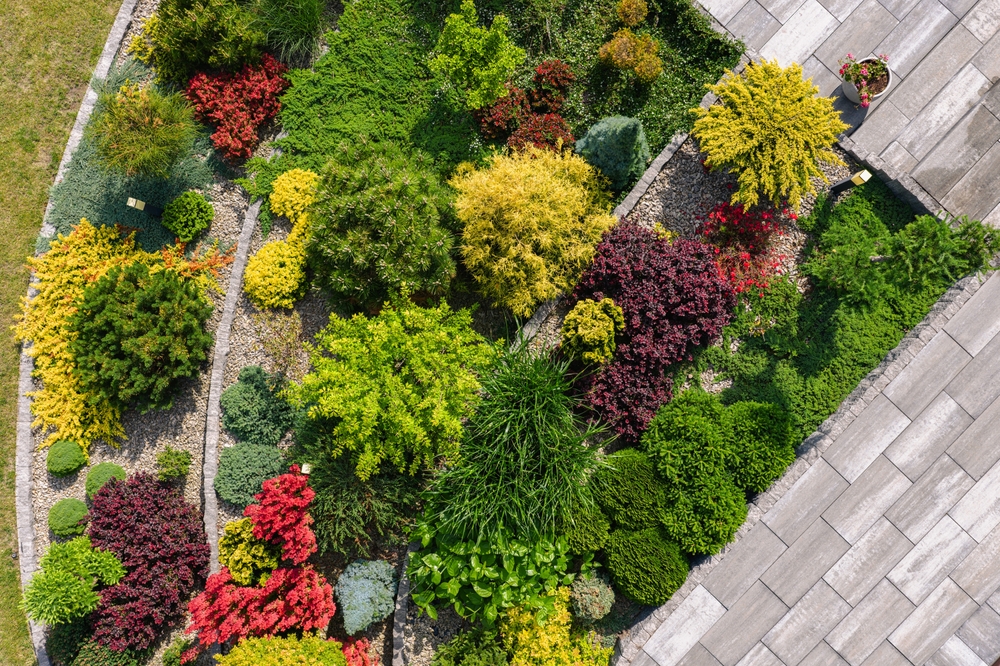
The garden may look quiet and sleepy during the off-season, but that doesn’t mean your green thumb has to take a break. This is the perfect time to step back, dream big, and make changes that will set your garden up for a spectacular season ahead. While your neighbors might be hibernating from gardening, you can be plotting, planning, and transforming your space into a vibrant, efficient, and visually stunning oasis.
Off-season work is all about thinking strategically, trying bold ideas, and having fun with your creativity without the pressure of immediate growth. By the time spring rolls around, you’ll be ready to see your garden not just grow, but truly flourish.
1. Redesign Flower Beds For Maximum Impact
One of the most satisfying off-season changes is redesigning your flower beds. You have the chance to move plants around, create new patterns, and experiment with shapes without worrying about disrupting blooming cycles. Consider layering plants by height, mixing textures, or adding focal points like ornamental grasses or low shrubs. This is also the ideal time to test new layouts on paper or with temporary markers in the garden to see what feels balanced and dynamic. By rethinking your flower beds now, you’ll create a striking visual impact once the growing season starts.
2. Plan Pathways And Walkways Strategically
Garden pathways aren’t just practical—they set the tone for the entire space. During the off-season, you can measure, plot, and experiment with new paths without muddying the soil or trampling plants. Think about flow: where do you want people to walk, pause, or linger? Consider adding curves or creating multiple routes to make exploration more fun and engaging. A well-planned walkway can make your garden feel larger, more organized, and even whimsical in ways that weren’t possible during the busy growing season.
3. Move Or Add Decorative Features
Off-season is prime time to rearrange statues, fountains, benches, or birdbaths. You can evaluate the overall balance of your garden without interference from fast-growing plants. Try moving features to unexpected spots or adding elements that you’ve been eyeing for months. Don’t be afraid to experiment—sometimes shifting just one piece can transform the entire mood of a garden. By the time spring arrives, your decorative touches will feel perfectly integrated and ready to shine.
4. Reassess And Adjust Vegetable Plots
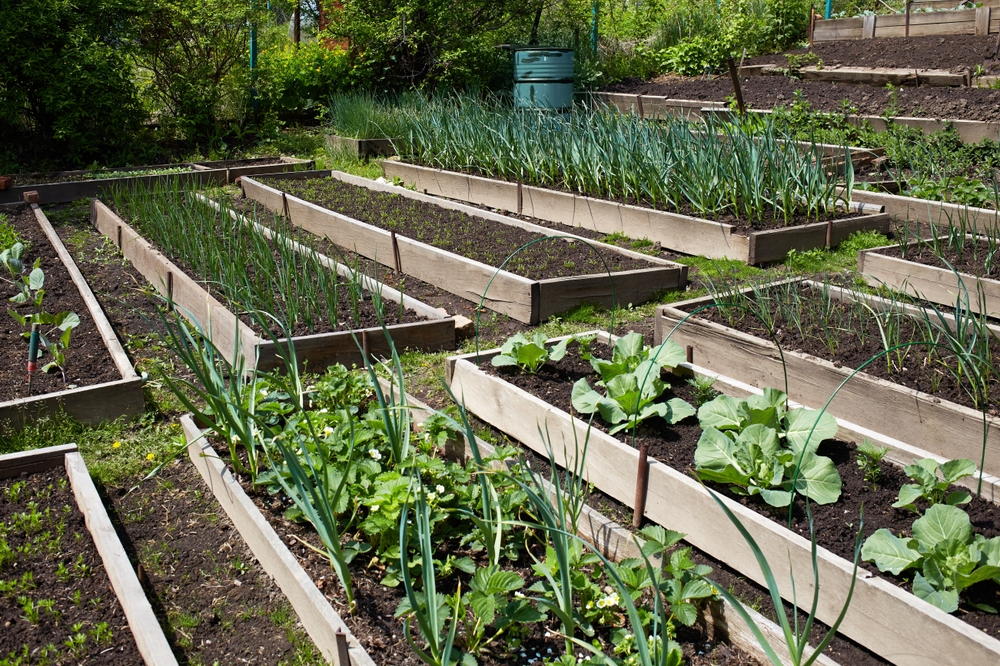
For vegetable gardeners, the off-season is an opportunity to rethink your edible layout. Rotate crops, consider companion planting, and plan for sun exposure to maximize yields in the coming months. You can also test new configurations for irrigation or raised beds, ensuring everything is efficient before planting begins. This downtime is perfect for adding protective barriers or trellises, giving climbing vegetables a head start. Thoughtful adjustments now can make the next growing season smoother, more productive, and more rewarding.
5. Evaluate Soil And Mulch Zones
Your garden’s health starts underground, and the off-season is ideal for improving soil quality. Remove old mulch, add compost, or mix in nutrients to create a fertile base for new plants. Testing soil pH and adjusting it for specific plant needs is easier without active roots in the way. You can also think strategically about mulch placement, which helps conserve moisture and suppress weeds once planting resumes. Taking care of the soil now means stronger, healthier growth later, and fewer headaches during the busy season.
6. Experiment With Seasonal Color And Plant Groupings
Even if most plants are dormant, you can plan color schemes and grouping strategies ahead of time. Sketch out ideas or use temporary markers to envision combinations of flowers, shrubs, and foliage that complement each other. You can also experiment with bold contrasts, gradient fades, or monochromatic schemes without the distraction of ongoing blooms. This creative exercise allows you to take risks that might be too tricky during peak growing months. When spring arrives, your garden’s palette will be intentional, cohesive, and breathtaking.
7. Incorporate Functional Zones For Enjoyment
Off-season is the perfect chance to think about how you use your garden, not just how it looks. Consider adding seating areas, shaded retreats, or playful zones for kids and pets. Mapping out these functional spaces allows you to optimize flow and comfort without disturbing thriving plants. You can test layouts with simple stakes or temporary furniture to see how everything fits naturally. By prioritizing usability alongside aesthetics, your garden will be both beautiful and inviting when the growing season begins.
Transform Your Garden While It Sleeps
The off-season is your secret weapon for a garden that dazzles once the weather warms. By redesigning flower beds, planning pathways, adjusting soil, and incorporating new features, you’re setting the stage for a thriving, harmonious space. These changes aren’t just cosmetic—they’re strategic moves that make your garden healthier, more enjoyable, and full of personality.
Have you tried making layout changes during the off-season? Let’s talk about it in the comments with other gardeners.
You May Also Like…
The Hidden Benefits of Bare Branches — How Sunlight Changes Your Garden Layout
Why You Should Be Planting Bulbs in December, Not Spring
6 Ways to Recycle Holiday Decor into Garden Uses
How to Choose Plants That Thrive When Everything Else Goes Dormant
8 Cold-Tolerant Veggies You Can Plant Late in the Season

Brandon Marcus is a staff writer for FrugalGardening.com at District Media, Inc., where he delivers practical gardening advice with a relatable, no-nonsense style. An avid amateur gardener, he holds a BA degree and with over ten years of professional writing experience, he is also an award-winning published author whose first book, Questions For Deep Thinkers, was released by Adams Media. His work has appeared in major publications including Fandom.com, CHUD.com, TheColdWire.com, and Fansided.com.
Leave a Reply