A thriving summer garden doesn’t just happen—it gets built in the final weeks of spring when smart gardeners roll up their sleeves and set the stage for success. Warm weather brings explosive growth, stubborn weeds, hungry pests, and thirsty soil, all competing for attention at once.
Tackle a few key tasks now, and everything from tomatoes to tulips will reward that effort tenfold once summer arrives. Skip them, and suddenly the garden feels like a full-time job that never quite catches up. Thankfully, a focused, strategic push right now keeps everything manageable, beautiful, and surprisingly low-stress when the heat kicks in.
1. Prep and Feed Your Soil for Explosive Growth Ahead
Healthy soil doesn’t happen by accident, and it certainly doesn’t fix itself once summer heat locks everything into place. Early preparation gives plants the nutrients and structure they need to grow strong roots and resist stress later. Gardeners who take time to amend their soil now often see noticeably bigger blooms and higher yields. This step forms the foundation for every other task on the list. Skip it, and even the best plants struggle to thrive.
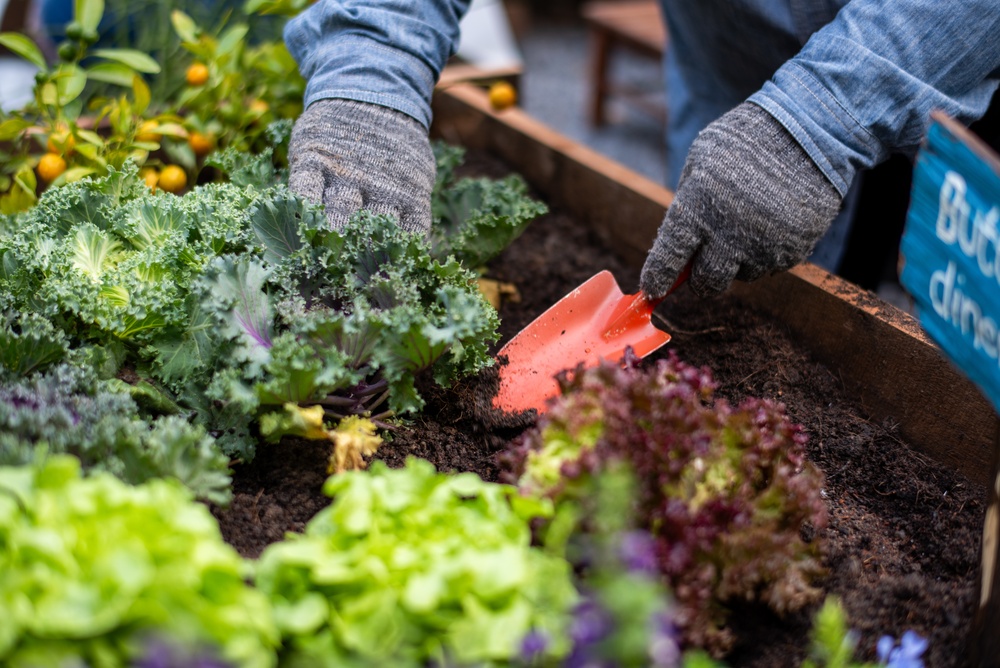
Start by loosening compacted soil and mixing in organic matter like compost or well-rotted manure. These additions improve drainage, boost microbial life, and help soil hold just enough moisture without turning soggy. A simple soil test can reveal nutrient deficiencies, allowing precise adjustments instead of guesswork. Add slow-release fertilizer where needed, focusing on plant-specific requirements rather than a one-size-fits-all approach. Once the soil feels crumbly, rich, and slightly moist, it’s ready to support a season of vigorous growth.
2. Mulch Like a Pro to Lock in Moisture and Block Weeds
Mulch acts like a secret weapon that many gardeners underestimate until they see the difference firsthand. It conserves moisture, stabilizes soil temperature, and keeps weeds from taking over before summer even begins. A well-mulched garden requires far less watering and significantly less weeding. That translates into saved time, reduced water bills, and healthier plants overall. Applying it now sets up weeks of low-maintenance success.
Choose organic mulch like shredded bark, straw, or wood chips for most garden beds. Spread it evenly about two to three inches thick, making sure not to pile it directly against plant stems. This layer acts as a protective blanket that shields roots from temperature swings and evaporation. Mulch also breaks down over time, quietly enriching the soil beneath it. The result feels almost magical: fewer weeds, stronger plants, and soil that stays consistently happy.
3. Prune and Trim to Shape Strong, Productive Plants
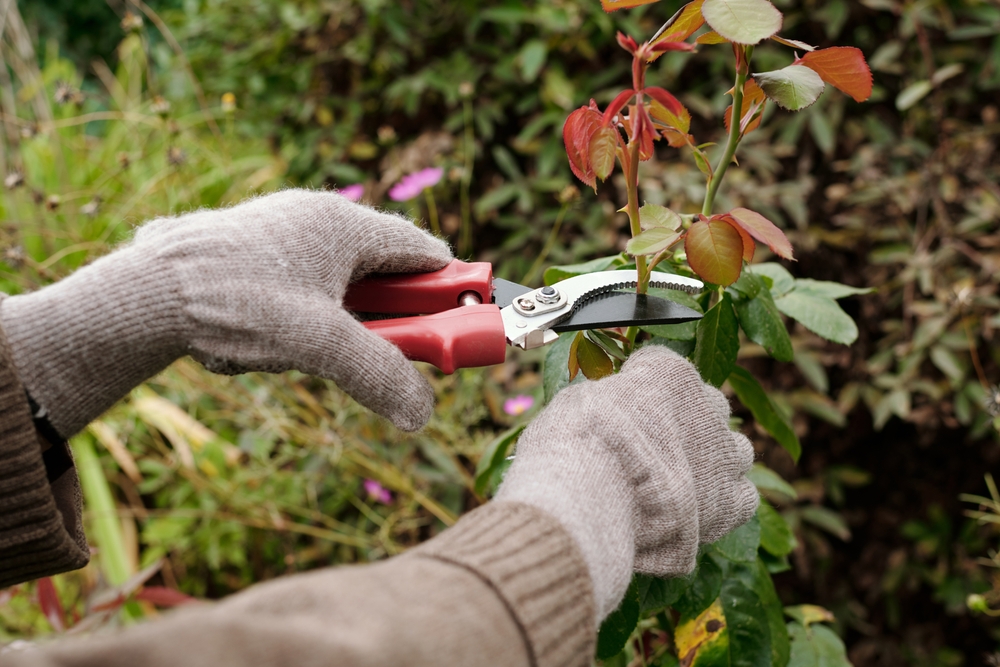
Pruning often feels intimidating, but skipping it creates more problems than it solves once summer growth kicks into overdrive. Strategic trimming encourages plants to focus energy on healthy growth instead of wasted, overcrowded branches. It also improves airflow, which helps prevent fungal diseases that thrive in warm, humid conditions. A well-pruned garden looks cleaner, grows stronger, and produces more. Timing matters, and late spring hits the sweet spot for many plants.
Focus on removing dead, damaged, or crossing branches first, as they drain energy and invite pests. Shape shrubs and perennials to encourage balanced growth rather than letting them sprawl unchecked. For flowering plants, pruning often stimulates more blooms instead of fewer. Always use sharp, clean tools to avoid tearing stems or spreading disease. A few thoughtful cuts now prevent a tangled, unmanageable mess in just a few short weeks.
4. Get Ahead of Pests Before They Take Over
Pests don’t wait politely for summer—they start scouting gardens the moment temperatures rise. Early prevention stops infestations before they spiral out of control. Gardeners who act now often avoid harsh treatments later. A proactive approach protects plants without disrupting beneficial insects that keep ecosystems balanced. This step saves both money and frustration in the long run.
Inspect plants regularly for signs of trouble, including chewed leaves, discoloration, or tiny insects clustering on stems. Introduce natural solutions like neem oil or insecticidal soap when needed, focusing on targeted treatments instead of blanket spraying. Encourage beneficial insects such as ladybugs and lacewings by planting pollinator-friendly flowers nearby. Remove weeds and debris where pests like to hide and reproduce. A clean, monitored garden becomes far less inviting to unwanted visitors.
5. Check Irrigation Systems Before the Heat Hits Hard
Watering becomes a daily necessity once summer temperatures soar, and any inefficiency quickly turns into stressed plants. Testing irrigation systems now prevents frustrating breakdowns when gardens need water the most. Drip lines, sprinklers, and hoses all benefit from a quick inspection and adjustment. A well-functioning system ensures consistent hydration without waste. That balance keeps plants thriving while keeping water usage under control.
Run each zone or section of your irrigation system and check for leaks, clogs, or uneven coverage. Adjust sprinkler heads so water reaches plant roots instead of sidewalks or fences. Clean filters and replace damaged hoses before they fail under pressure. Consider upgrading to a drip irrigation system for more efficient watering in garden beds. A little attention now guarantees a smoother, stress-free watering routine all summer long.
Set the Stage Now for a Summer Garden That Practically Runs Itself
Every thriving summer garden tells a story that begins weeks earlier with smart, intentional preparation. Soil improvements fuel growth, mulch locks in moisture, pruning shapes success, pest prevention avoids chaos, and irrigation ensures consistency. Each task builds on the others, creating a system that works with nature instead of fighting against it. Gardens that receive this level of care often require less effort later, not more. That shift transforms gardening from a constant chore into something genuinely enjoyable.
Which of these tasks will get checked off the list first this weekend? If you have some gardening tasks before you, talk about them below in the comments.
You May Also Like…
5 Crops You Can Still Start Now for a Late Summer Harvest
Beat the Summer Heat: The Budget Way to Shade Your Plants for Free
6 Flower Varieties That Bloom Quickly After Late Spring Planting
The Spring “Pound” Trick: How to Get 10lbs of Food from One $2 Seed Packet
Spring Thaw Warning: Why Your Garden Needs These 3 Free Fixes Now

Brandon Marcus is a staff writer for FrugalGardening.com at District Media, Inc., where he delivers practical gardening advice with a relatable, no-nonsense style. An avid amateur gardener, he holds a BA degree and with over ten years of professional writing experience, he is also an award-winning published author whose first book, Questions For Deep Thinkers, was released by Adams Media. His work has appeared in major publications including Fandom.com, CHUD.com, TheColdWire.com, and Fansided.com.
Leave a Reply