
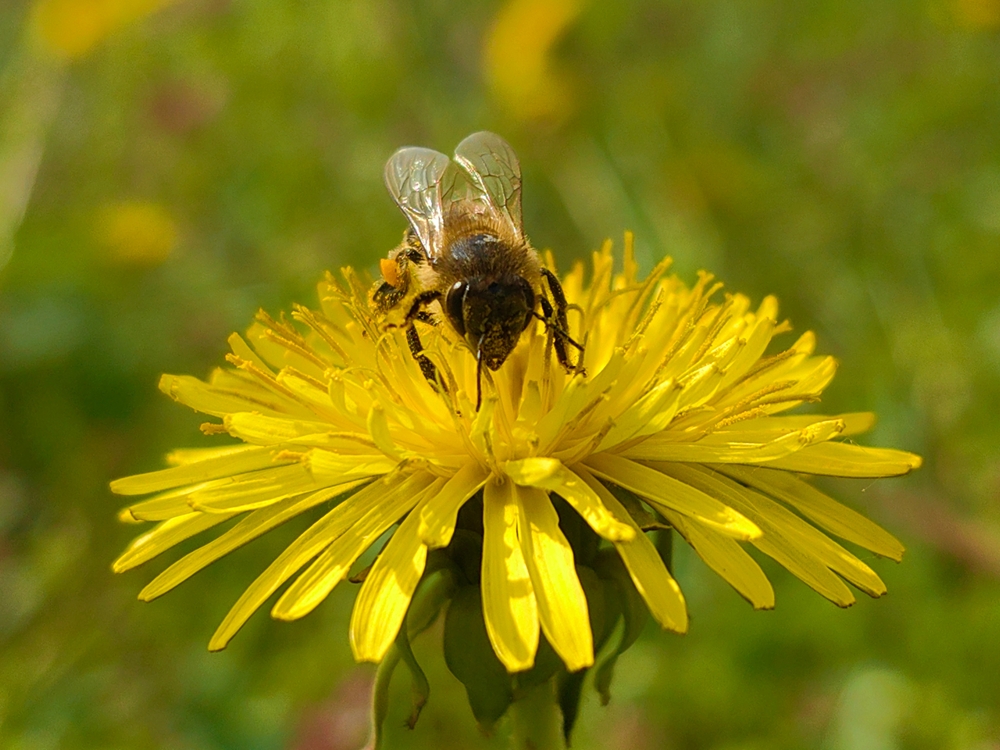
As summer fades and the golden glow of autumn sweeps across fields and gardens, bees are still hard at work. While most of nature starts winding down, these tiny powerhouses buzz on with purpose, darting between blooms that have managed to outlast the season’s chill.
You might think bees would take a break as the days shorten, but for them, autumn is a critical time—a last call before the long sleep of winter. Their mission? To find the final bursts of nectar and pollen among late-blooming flowers that still dare to bloom under the amber skies of fall. And as it turns out, these late-season blooms aren’t just lucky finds—they’re vital to the bees’ survival and the future of next spring’s gardens.
The Final Feast Before Winter
As the weather cools, most flowers stop producing nectar, leaving fewer resources for pollinators. But bees, especially honeybees and bumblebees, need to stock up for the cold months ahead. Honeybees gather late-season nectar to convert into honey, while bumblebee queens build up energy reserves to survive winter hibernation. Late-blooming flowers like asters, goldenrod, and sedum become autumn’s main buffet. For bees, this time of year is less about exploration and more about survival—a desperate, determined dash to collect enough fuel before frost puts nature on pause.
Nature’s Seasonal Timing Is No Accident
You might think the timing of late blooms is a coincidence, but it’s actually nature’s way of keeping ecosystems balanced. Some plants have evolved to flower later in the year, specifically to attract the remaining pollinators. It’s a win-win relationship: the flowers get pollinated while the bees get the nutrition they desperately need. Late bloomers like Joe-Pye weed, witch hazel, and sunflowers play a starring role in this autumn symphony of survival. The result is a beautiful, mutually beneficial partnership that keeps the cycle of life going even as the air turns crisp and leaves begin to fall.
Bees Know What They Need—and When
Bees aren’t wandering aimlessly when they visit fall flowers; they’re following instinct. Their internal “clocks” tell them it’s time to gather the last of the year’s resources before the cold sets in. As temperatures drop, bees become more selective, seeking out plants with high sugar content and accessible pollen. They’re drawn to the deep purples, golds, and late reds of autumn flowers—the colors that signal rich rewards. Watching them work among the fading blooms, you can almost feel their urgency, a natural rhythm that’s as ancient as the changing of the seasons.
The Role of Late Blooms in Hive Survival
For honeybee colonies, autumn foraging isn’t just about feeding—it’s about planning ahead. The nectar and pollen collected in these final weeks are stored as honey to sustain the hive through winter. Worker bees fan their wings to dehydrate the nectar until it thickens into the golden liquid we know as honey. Without these late-blooming flowers, colonies could face shortages that make it harder to survive until spring. Every sip of nectar gathered from an aster or goldenrod could mean the difference between thriving and struggling when snow blankets the landscape.
Bumblebee Queens and Their Autumn Preparations
Unlike honeybees, most bumblebees won’t survive the winter—except for the new queens. As autumn approaches, these future matriarchs feed relentlessly on late flowers to store enough fat reserves to endure hibernation underground. You might spot a large bumblebee buzzing alone among the fall blossoms; that’s likely a queen preparing for her long winter sleep.
The nutrients she gathers now will determine whether she emerges strong and ready to build a new colony come spring. Without enough late-blooming flowers, her odds of survival drop dramatically, making these plants essential for bumblebee populations year after year.
The Unsung Heroes of the Garden
While spring and summer blooms get most of the glory, autumn’s flowers quietly play the hero’s role. Asters, chrysanthemums, coneflowers, and goldenrod provide crucial energy when little else is available. Gardeners who plant these species are, knowingly or not, creating a seasonal lifeline for pollinators. Each late blossom acts as a bridge between seasons, ensuring bees don’t face starvation before the frost. If you’ve ever wondered why your fall garden still hums with activity, it’s because you’ve created a sanctuary that nature depends on more than you might realize.
Climate Change and the Shifting Bloom Calendar
As weather patterns shift, the delicate timing between bees and flowers is being tested. Warmer autumns can cause some flowers to bloom later than usual—or sometimes, not at all. Bees emerging for one last forage may find fewer resources, disrupting their entire preparation cycle. Likewise, unexpected cold snaps can cut the blooming season short before bees are ready to stop collecting. The relationship between pollinators and late blooms is a fragile dance, and climate change is playing an unpredictable tune that both species are struggling to adapt to.
How You Can Help Support Autumn Pollinators
Even small choices can make a big difference in helping bees survive the seasonal transition. Planting late-blooming, native flowers gives bees a reliable source of nectar deep into the fall. Avoiding pesticides, leaving a few wild areas in your yard, and letting fallen leaves accumulate can create safe resting spots for overwintering bees. Think of it as turning your garden into a pollinator rest stop before winter. When bees thrive, everything from local crops to backyard flowers benefits, creating a ripple effect of ecological health.
The Secret Beauty of Autumn Pollination
There’s something poetic about watching bees in the fall. They move slower, heavier, more purposeful—each visit to a flower feels like a quiet act of determination. The bright hum of summer turns into a softer murmur, as if nature itself is whispering goodnight. Yet even as the season fades, bees remind us that life continues in every corner of the garden. Their persistence in seeking out late-blooming flowers isn’t just about survival—it’s a celebration of resilience, rhythm, and the quiet beauty of the natural world adapting to change.
The Last Buzz Before the Frost
When we see bees flitting among the last flowers of autumn, we’re witnessing one of nature’s most poignant finales. Every movement, every visit to a bloom, carries purpose and preparation for what’s to come. Late-blooming flowers are the unsung partners in this seasonal dance, offering nourishment when it’s needed most. Understanding their importance helps us see autumn not as the end of nature’s cycle, but as its final, beautiful act of persistence.
Have you noticed bees buzzing around your garden in the fall? Share your stories or insights about these incredible insects in the comments below.
You May Also Like…
- 8 Insects That Actually Help in Fall Gardens
- How to Make Your Garden Pollinator-Friendly Without Buying a Single Bee House
- 7 Innocent-Looking Shrubs That Harbor Invasive Insects
- 6 Wildflowers to Scatter Before the Snow Comes
- 7 Flowers That Only Show Their Best Color in Fall

Brandon Marcus is a staff writer for FrugalGardening.com at District Media, Inc., where he delivers practical gardening advice with a relatable, no-nonsense style. An avid amateur gardener, he holds a BA degree and with over ten years of professional writing experience, he is also an award-winning published author whose first book, Questions For Deep Thinkers, was released by Adams Media. His work has appeared in major publications including Fandom.com, CHUD.com, TheColdWire.com, and Fansided.com.
Leave a Reply