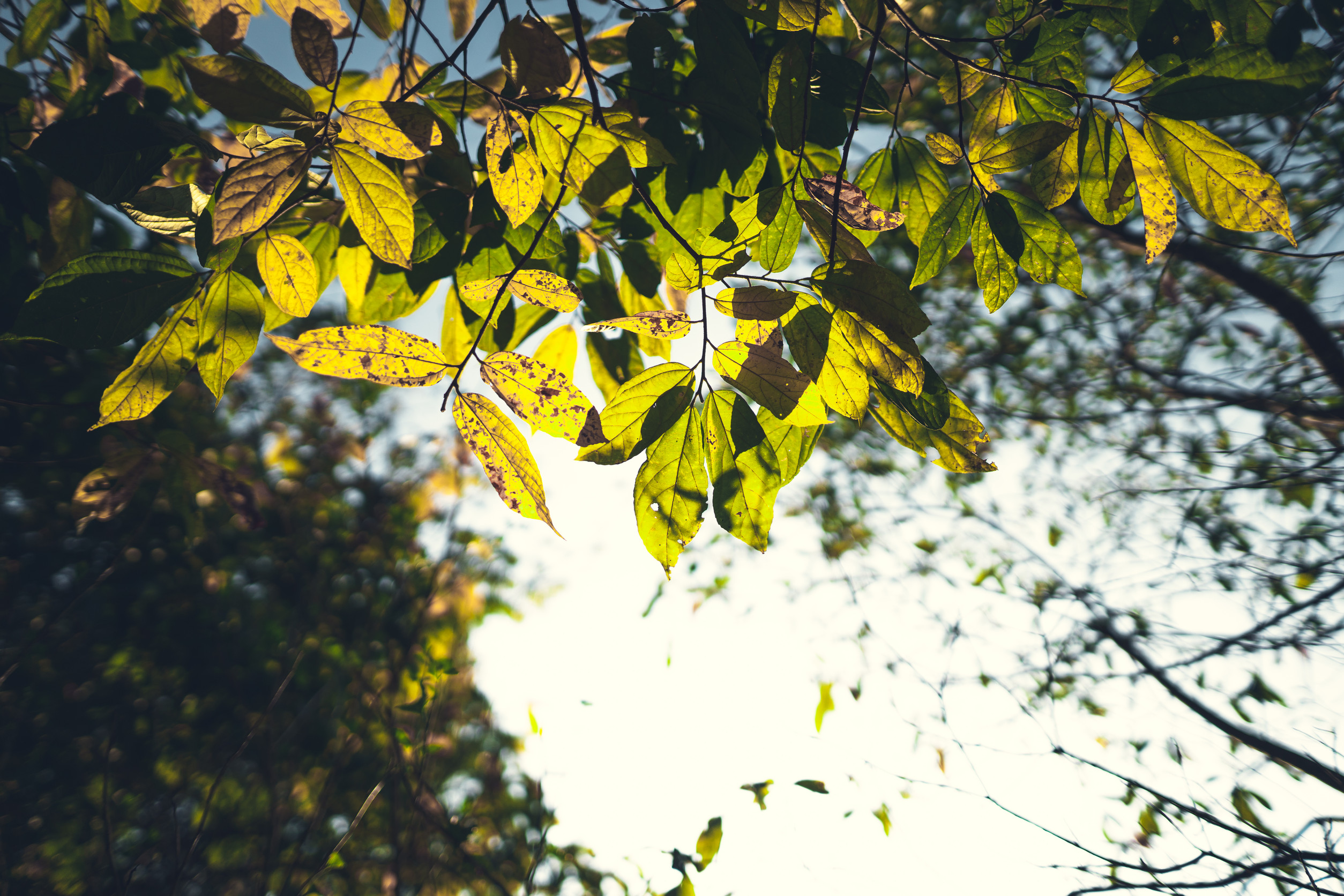
There’s something magical about fall—the crisp air, the pumpkin spice, and the avalanche of leaves carpeting your yard. Most people see those leaves as a weekend chore, but savvy gardeners know they’re sitting on a goldmine. Fallen leaves, when used as mulch, can enrich your soil, lock in moisture, and reduce weeds without costing you a dime.
But not all leaves are created equal; some break down into nutrient-rich mulch faster than others, while a few stubborn types take their sweet time. Ready to turn your autumn cleanup into garden treasure?
1. Maple Trees
Maple leaves are like the superstar of the mulch world. They’re soft, plentiful, and break down quickly into a rich, earthy compost. Gardeners love them because they improve soil structure while adding a balanced mix of nutrients. Plus, their wide surface area makes shredding them with a mower incredibly easy. If you’ve got a maple nearby, consider it your free, all-natural garden supply store.
2. Oak Trees
Oak leaves are tougher than maple, but don’t underestimate their mulch potential. Their slow decomposition means they stick around longer, providing durable ground cover. Shredding them first is essential, since whole oak leaves can form a mat that blocks water. Once broken down, they add acidity to soil, making them fantastic for plants that thrive in lower pH levels. Think of oaks as the long-term investment in your mulch portfolio.
3. Birch Trees
Birch leaves are small, thin, and break down relatively quickly, making them excellent mulch material. They create a light, fluffy layer that helps retain moisture without suffocating your plants. Gardeners particularly like them because they don’t clump together as badly as larger leaves. Their neutral impact on soil pH makes them versatile for almost any garden bed. Collecting birch leaves is like adding a gentle, low-maintenance helper to your mulch team.
4. Poplar Trees
Poplar leaves are broad, lightweight, and quick to decay, making them easy to work into mulch. They enrich the soil with nutrients that encourage microbial activity and healthy root systems. Their structure makes them ideal for layering under shrubs and flowerbeds. While they may not last as long as oak leaves, they’re perfect for annual gardens that benefit from fast nutrient release. Poplar leaves are like the quick-burn energy snack your garden craves.
5. Elm Trees
Elm leaves break down quickly, but their slightly serrated edges give them an advantage: they don’t stick together as much. This makes them less likely to smother soil or block airflow. Once shredded, they provide an airy mulch that benefits flowerbeds and vegetable plots. Their fast decomposition means you’ll want to replenish them often, but that also means more nutrients for your plants. In the mulch world, elm leaves are reliable, hardworking, and always welcome.
6. Ash Trees
Ash leaves are medium-sized, relatively thin, and quick to decompose, which makes them excellent mulch candidates. They spread easily across a garden bed without forming mats. Their neutral pH makes them suitable for a wide variety of plants. They’re especially useful for boosting soil fertility in vegetable gardens where quick-turn nutrients are essential. Ash leaves are the garden equivalent of a friendly neighbor who always lends you sugar.
7. Linden Trees
Linden leaves are large and heart-shaped, which makes them fun to collect and perfect for shredding. Once mulched, they create a soft, even layer that protects soil from drying out. They’re also nutrient-rich, helping to improve both clay-heavy and sandy soils. Gardeners like them because they decompose steadily, striking a balance between fast decay and lasting ground cover. Linden leaves are like a steady drumbeat in your mulch symphony—reliable and soothing.
8. Apple Trees
Apple leaves aren’t just for orchards—they’re fantastic in garden mulch piles, too. Their moderate size and texture allow them to break down at a manageable rate. When mixed with grass clippings or other organic matter, they create a nutrient-packed mulch blend. Just make sure to avoid collecting leaves that show signs of disease. Apple leaves bring a hint of sweetness to your mulch game—literally and figuratively.
9. Chestnut Trees
Chestnut leaves are large and bold, but once shredded, they create an impressive mulch layer. Their nutrient profile helps improve soil health, especially for fruiting plants and shrubs. While they take a little longer to break down, the payoff is rich, crumbly organic matter. Gardeners who want mulch that pulls double duty—moisture retention and soil enrichment—will love chestnut leaves. Think of them as the heavyweight champion of the mulch ring.
10. Sycamore Trees
Sycamore leaves are huge, and yes, they can be a bit of a nuisance when left uncollected. But once shredded, they turn into a thick, protective mulch blanket. Their slow-to-medium decomposition means they last longer than softer leaves, keeping weeds at bay. They’re especially useful for insulating perennials during colder months. Sycamore leaves are like the oversized hoodie of the mulch world—cozy, protective, and surprisingly practical.
11. Beech Trees
Beech leaves are small, smooth, and naturally waxy, which slows down their decomposition. While this may sound like a drawback, it actually makes them great for long-lasting mulch cover. Once shredded, they balance durability with a steady nutrient release. Beech leaves are especially good for pathways or spots where you don’t want to refresh mulch constantly. They’re the quiet, dependable friend in your mulch collection.
Turn Leaf Piles Into Garden Gold
Leaves don’t have to be an autumn headache—they can be one of the best free resources your garden will ever get. From fast-decomposing maple and ash leaves to long-lasting oak and beech, each type brings its own unique benefits to your mulch mix. By collecting and shredding strategically, you can save money, enrich your soil, and keep your yard looking neat.
Have you tried mulching with leaves from these trees—or others not on this list? Share your stories, tips, or favorite leaf-mulching hacks in the comments section below.
You May Also Like…
The Mulch Trick That Saves Water and Fights Weeds
Using Shredded Paper As Garden Mulch
10 Hidden Dangers Lurking in Your Backyard Mulch
Why Your Garden Soil Might Be Too Rich
5 Things Growing in Your Yard That Could Get You Sued

Brandon Marcus is a staff writer for FrugalGardening.com at District Media, Inc., where he delivers practical gardening advice with a relatable, no-nonsense style. An avid amateur gardener, he holds a BA degree and with over ten years of professional writing experience, he is also an award-winning published author whose first book, Questions For Deep Thinkers, was released by Adams Media. His work has appeared in major publications including Fandom.com, CHUD.com, TheColdWire.com, and Fansided.com.
Leave a Reply