Every gardener knows the excitement of spring—the rush to the garden center, the aisles bursting with bright green seedlings, and the irresistible temptation to grab one of everything. But those quick spring hauls? They add up fast. By the time you’ve loaded your cart with starter plants, soil amendments, and a few impulse buys (looking at you, exotic pepper seedlings), your wallet is weeping.
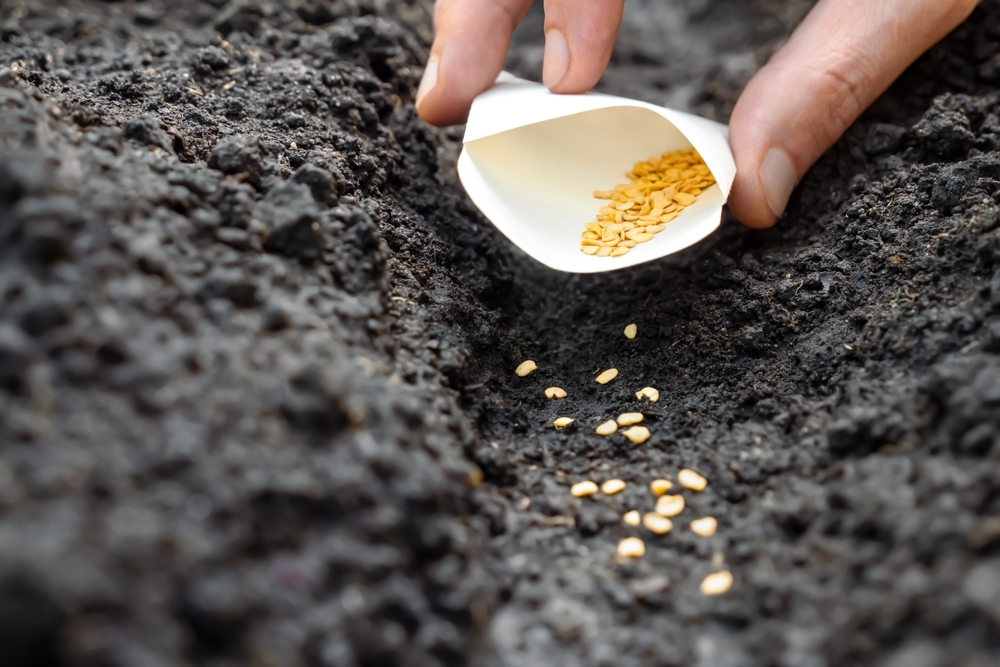
That’s why the smartest, most seasoned gardeners are quietly sowing their seeds in fall—yes, months before everyone else even thinks about planting. Starting seeds in autumn isn’t just a head start on next year’s garden; it’s a secret weapon for saving serious cash.
Fall Is the Season of Sales (and Opportunity)
Let’s start with the obvious: fall is the gardener’s clearance season. Nurseries, hardware stores, and online suppliers are eager to clear out their inventory before winter. That means you can scoop up seed packets, tools, and even soil amendments for a fraction of the springtime price. It’s the equivalent of buying swimsuits in December—you’re planning ahead while everyone else pays full price later. Fall seed starting lets you stretch your gardening budget further than you thought possible, leaving extra funds for future upgrades or, let’s be honest, more plants.
You’ll Waste Less Because You’ll Plan Better
When spring fever hits, logic goes out the window. You start grabbing plants like you’re on a reality show shopping spree, and before you know it, you’ve spent $200 on flowers you don’t have space for. But starting seeds in the fall forces you to slow down and plan your garden intentionally. You get to sketch layouts, choose varieties carefully, and avoid duplicate purchases. This thoughtful approach cuts down on waste, impulse buys, and that guilty pile of unplanted seedlings that often end up wilting on the porch by May.
Nature Does Half the Work for You
Here’s a secret old-school gardeners know: fall is when nature wants to start seeds. Many plants, especially perennials, wildflowers, and cold-hardy greens, actually germinate best after a period of cold weather. By planting seeds in fall, you’re mimicking what they’d experience in the wild—fall sowing, winter dormancy, and spring awakening. You don’t need heat mats, grow lights, or fancy setups; nature handles the stratification process for free. This natural rhythm means stronger seedlings that are better adapted to your local climate—and fewer supplies to buy.
You’ll Beat the Spring Rush (and the High Prices That Come With It)
If you’ve ever shopped for plants in April, you’ve seen the chaos. Shelves are stripped bare, everyone’s competing for the same popular varieties, and prices mysteriously spike when demand peaks. Starting your seeds in the fall means you skip the madness entirely. You’ll already have healthy, established seedlings ready to go when others are still stuck in checkout lines. Not only do you save money, but you also save yourself from the stress and disappointment of missing out on your favorite heirloom tomato because everyone else got there first.
Stronger Plants Mean Fewer Replacements
Fall-started plants tend to be sturdier. They grow slowly, toughen up through winter, and enter spring with deeper roots and thicker stems. That resilience translates into fewer replacements later in the season when weaker, store-bought transplants might wilt at the first sign of heat or pests. By giving your seedlings a head start, you’re creating plants that can survive longer, produce more, and handle stress better. And every plant that doesn’t die on you? That’s money you don’t have to spend again.
You’ll Save on Gardening Gear in Winter
Gardeners who start seeds in the fall have a secret advantage: they get to buy gear off-season, too. Whether it’s seed trays, gloves, or potting mix, prices on gardening supplies usually dip once the cold sets in. Retailers want to clear inventory, and that’s your golden window. Combine that with your fall seed savings, and you’ve practically built next year’s garden on a discount. Plus, shopping off-season means you’ll have everything ready before stores get picked clean by spring crowds.
You’ll Avoid Overcrowded Seedlings and Waste
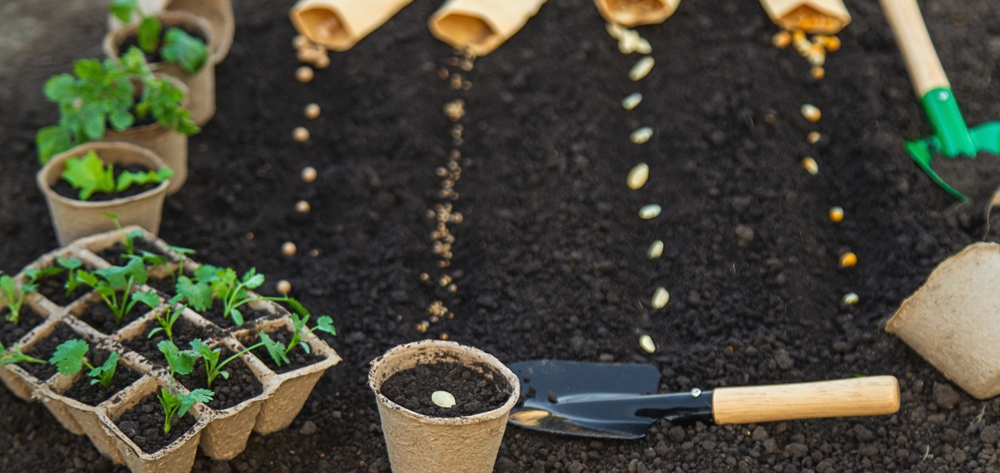
Spring seed-starting chaos often leads to cramped trays and leggy plants competing for light. But when you start in fall, you have time to space things properly and grow seedlings at a manageable pace. You’re not rushing to get everything germinated in a narrow window before planting season. Fewer mistakes mean less wasted seed, less wasted soil, and ultimately, more healthy plants for your effort. It’s a calmer, more efficient process that gives both your plants and your wallet room to breathe.
You’ll Get a Longer Harvest Season
Starting seeds in fall doesn’t just save you money—it also buys you time. With seedlings ready to transplant early, your garden hits full stride weeks before your neighbors’. That means an extended harvest season, which translates into more homegrown produce and fewer grocery store runs. Every tomato, pepper, or zucchini you grow yourself is one you don’t have to buy at the supermarket’s inflated summer prices. Over time, those savings add up—especially if you’re growing high-yield crops or expensive-to-buy herbs.
It’s a Confidence Booster for Next Year
One overlooked perk of fall seed starting is experience. When spring arrives, you’ll already have a rhythm, a routine, and a set of thriving seedlings under your belt. That confidence saves you from the trial-and-error purchases new gardeners often make—like overpriced “beginner kits” or redundant tools. You’ll know what works, what doesn’t, and how to make your garden thrive without overbuying. That knowledge is invaluable and will keep your future gardening costs low.
Start Early, Save Big, and Grow Smarter
At the end of the day, fall seed starting is one of those habits that separates casual gardeners from the masters. It’s the difference between chasing the season and being ahead of it. You save money, reduce stress, and set yourself up for a stronger, more productive garden—all while enjoying the slower, reflective pace of autumn. The garden you plant next year starts now, and your future self (and wallet) will thank you for it.
Have you ever tried starting seeds in the fall? Share your tips, tricks, or success stories in the comments below.
You May Also Like…
How To Get Free Seeds From The Government
From Paper Towel to Potting Soil: The Ideal Time to Transplant Your Seedlings
6 Fast-Growing Greens for a Quick Fall Salad
8 Garden Myths That Fail in Autumn Weather
How Fall Rainfall Impacts Soil Compaction

Brandon Marcus is a staff writer for FrugalGardening.com at District Media, Inc., where he delivers practical gardening advice with a relatable, no-nonsense style. An avid amateur gardener, he holds a BA degree and with over ten years of professional writing experience, he is also an award-winning published author whose first book, Questions For Deep Thinkers, was released by Adams Media. His work has appeared in major publications including Fandom.com, CHUD.com, TheColdWire.com, and Fansided.com.
Leave a Reply