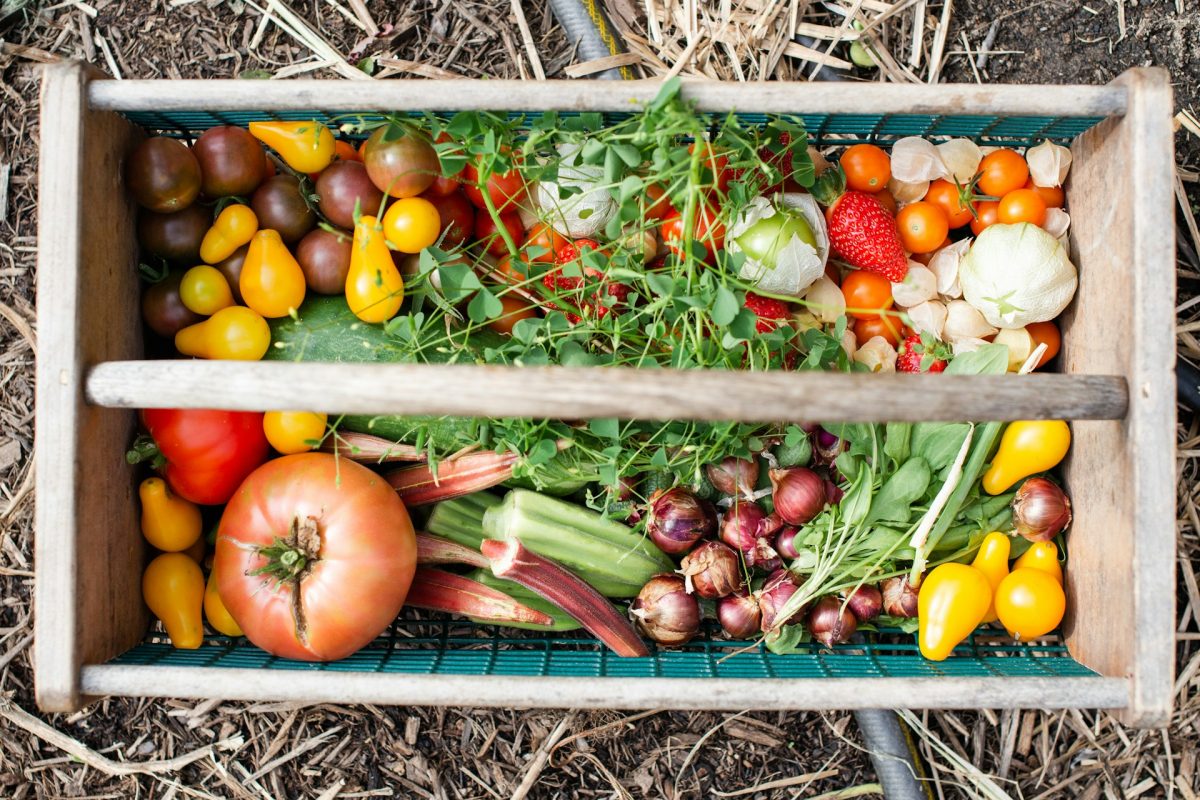
An empty patch of dirt doesn’t have to stay boring for long. A handful of clever ideas can turn even the smallest yard into a vibrant, productive vegetable haven that feels alive with color, texture, and purpose. Space might feel limited, but creativity doesn’t shrink with square footage, and that opens the door to some seriously fun possibilities. A tiny yard can produce fresh tomatoes, crisp lettuce, and fragrant herbs without draining a wallet or requiring a full weekend of backbreaking labor.
Forget the idea that a dream vegetable garden needs acres of land or a big investment. Small yards thrive when every inch serves a purpose, and that challenge actually fuels better, more efficient design. Thoughtful placement, vertical thinking, and a few DIY tricks can stretch a budget further than expected.
1. The Classic Raised Bed Remix That Actually Saves Money
Raised beds often get labeled as expensive, but a smart approach flips that assumption fast. Scrap wood, reclaimed pallets, or even leftover bricks can create sturdy frames without touching a big budget. A simple rectangular bed, about 4 feet wide, allows easy access from both sides without stepping into the soil and compacting it. Good soil matters more than fancy materials, so investing in a quality soil mix pays off with stronger plants and better yields. Raised beds also warm up faster in spring, which gives vegetables a head start and extends the growing season. That advantage matters in small spaces where every harvest counts. With careful planning, one or two raised beds can produce an impressive variety of vegetables.
Spacing becomes the secret weapon in this design. Instead of traditional row planting, dense planting techniques maximize output by reducing wasted space between crops. Leafy greens, carrots, and radishes thrive when planted closer together, as long as the soil stays rich and well-watered. Companion planting also boosts efficiency, pairing crops that support each other, like tomatoes and basil or carrots and onions. This layout not only saves space but also helps reduce pests naturally. Mulch locks in moisture and keeps weeds under control, cutting down on maintenance time. A raised bed setup delivers a clean, organized look while quietly producing a steady stream of fresh vegetables.
2. Vertical Gardens That Climb Their Way to Success
When the ground runs out, the sky takes over. Vertical gardening transforms fences, walls, and even simple frames into productive growing space. Trellises, stacked planters, and hanging containers allow climbing crops like cucumbers, beans, and peas to grow upward instead of outward. This approach dramatically increases yield without expanding the footprint of the garden. Materials for vertical setups don’t have to cost much either, since old ladders, wooden pallets, and wire mesh can all double as supports. A sturdy structure keeps plants healthy by improving air circulation and reducing disease risk. That simple shift makes a noticeable difference in plant performance.
This design also adds a visual punch that turns a vegetable patch into a standout feature. Rows of climbing greenery create depth and texture, making the space feel bigger and more dynamic. Strategic placement matters here, since taller structures should sit on the north side of the yard to avoid shading smaller plants. Regular pruning keeps everything manageable and encourages stronger growth. Drip irrigation or simple watering cans can handle hydration without complicated systems. A vertical garden proves that limited space doesn’t limit ambition, and it often becomes the most eye-catching part of the yard.
3. Container Gardening That Moves With the Sun
Containers bring flexibility that traditional gardens simply can’t match. Pots, buckets, and recycled containers allow vegetables to grow almost anywhere, from patios to narrow walkways. This setup works especially well for renters or anyone who wants to avoid digging into the ground. Choosing the right container size makes a big difference, since larger pots retain moisture better and support healthier root systems. Tomatoes, peppers, lettuce, and herbs thrive in containers when given enough sunlight and consistent watering. Drainage holes prevent root rot and keep plants thriving through the season. A thoughtful container layout can turn even a cramped yard into a productive growing zone.
Mobility becomes the biggest advantage here. Containers can shift throughout the day to chase sunlight or avoid harsh weather, giving plants ideal conditions without permanent changes to the yard. Grouping pots together creates a microclimate that helps retain moisture and stabilize temperature. Lightweight potting mixes reduce strain when moving containers around. Fertilizing regularly keeps nutrients available, since container soil depletes faster than garden beds. This design also opens the door to creative styling, mixing different pot shapes and heights for a layered look. Container gardening blends practicality with personality, making it perfect for small spaces that need flexibility.
4. Square Foot Gardening That Maximizes Every Inch
Square foot gardening turns organization into a powerful tool. Dividing a garden bed into small, equal sections creates a grid that simplifies planting and spacing. Each square hosts a specific crop, based on how much room that plant needs to grow. This method eliminates guesswork and prevents overcrowding, which leads to healthier plants and higher yields. It also reduces waste, since every section serves a purpose instead of leaving unused gaps. Beginners often find this approach easier to manage, because it breaks the garden into manageable pieces. Even experienced gardeners appreciate the efficiency it brings to small spaces.
Maintenance becomes much simpler with this layout. Watering stays consistent, and weeds struggle to compete in tightly planted squares. Crop rotation also becomes easier to track, which helps maintain soil health over time. A simple wooden frame or even string markers can create the grid without spending much money. Mixing fast-growing crops with slower ones keeps the harvest rolling throughout the season. This design encourages careful planning, but it rewards that effort with a steady supply of fresh vegetables. Square foot gardening proves that structure and creativity can work together to produce impressive results.
5. The Edible Landscape That Blends Beauty and Function
A vegetable patch doesn’t have to look like a traditional garden to deliver serious results. Edible landscaping mixes vegetables, herbs, and flowers into one cohesive design that feels intentional and attractive. This approach replaces purely decorative plants with ones that offer both visual appeal and harvest potential. Kale, chard, and lettuce bring vibrant colors that rival ornamental plants, while herbs add fragrance and texture. Integrating vegetables into existing garden beds saves space and eliminates the need for a separate growing area. This design works especially well in small yards where every element needs to serve multiple purposes.
Pollinators play a major role in this setup. Flowers like marigolds and nasturtiums attract beneficial insects that support plant health and improve yields. Mixing plant heights creates layers that add visual interest while maximizing space. Careful placement ensures that sun-loving vegetables get enough light without being overshadowed by taller plants. This design also encourages biodiversity, which strengthens the garden as a whole. Regular harvesting keeps plants productive and prevents overcrowding. An edible landscape transforms a yard into a living, breathing ecosystem that produces food while looking stunning.
Small Space, Big Harvest Energy
Small yards don’t limit what a vegetable garden can achieve, they challenge it to become smarter, more efficient, and more creative. Each of these designs proves that a tight space can still deliver an abundant harvest with the right approach and a bit of planning. Raised beds bring structure, vertical gardens stretch upward, containers add flexibility, square foot layouts maximize precision, and edible landscapes blend beauty with productivity. Mixing and matching these ideas often creates the best results, since no yard follows the same rules.
What kind of setup feels like the perfect fit for that space, and what would make it even more productive or fun to maintain? Drop those thoughts, ideas, or clever garden hacks into the comments and get the conversation growing.
You May Also Like…
6 DIY Trellis Designs That Support Plants Without Breaking Your Budget
This DIY Cold Frame Design Is Collapsing Under Snow — And Causing Injuries
8 Tips For Designing Your Garden For Efficiency
Garden Designs I Want to Learn More About
How to Design and Plan Your Dream Greenhouse Or Shed

Brandon Marcus is a staff writer for FrugalGardening.com at District Media, Inc., where he delivers practical gardening advice with a relatable, no-nonsense style. An avid amateur gardener, he holds a BA degree and with over ten years of professional writing experience, he is also an award-winning published author whose first book, Questions For Deep Thinkers, was released by Adams Media. His work has appeared in major publications including Fandom.com, CHUD.com, TheColdWire.com, and Fansided.com.
Leave a Reply