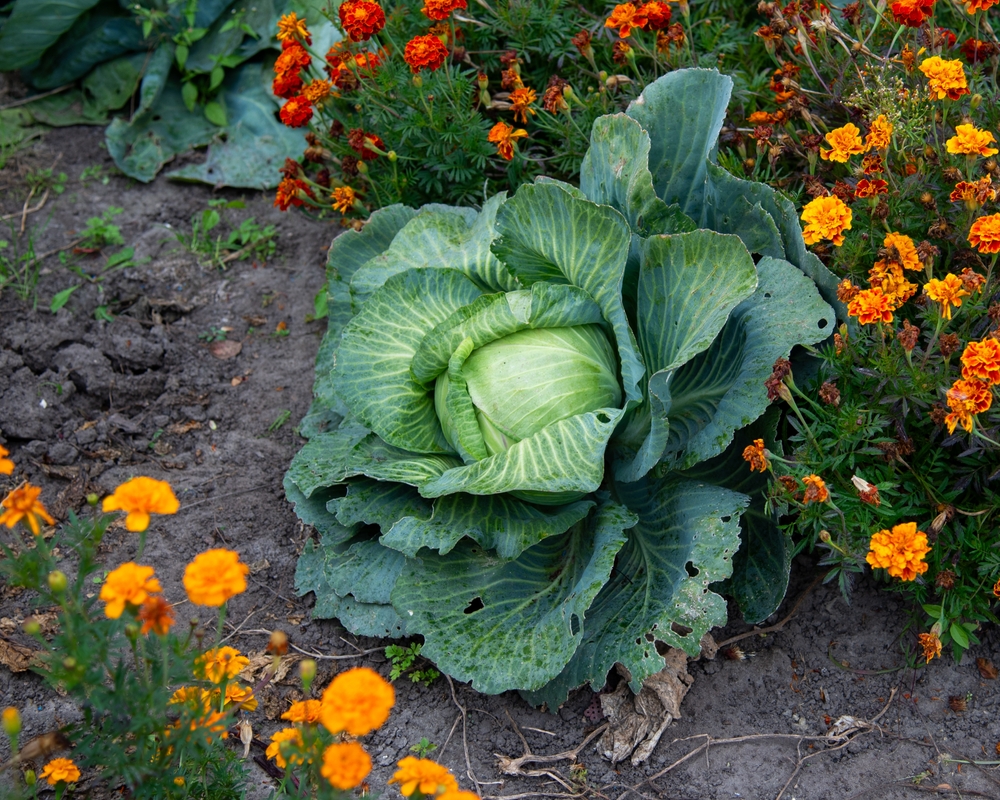
Just because your summer tomatoes and peppers are finished doesn’t mean your vegetable garden has to shut down for the year. October can actually be an excellent time to grow certain crops, especially vegetables that prefer cooler temperatures over summer heat. With the right choices, you could still be harvesting fresh food when your neighbors have already packed away their gardening tools.
Many vegetables to grow in October thrive in cooler soil, tolerate light frosts, and require less attention than heat-loving summer crops. Some even develop sweeter flavors as temperatures drop, making fall gardening surprisingly rewarding.
According to the University of Minnesota Extension, cool-season vegetables can extend the growing season when planted early enough to mature before freezing weather. Your location and first expected frost date matter, but these seven vegetables are worth considering for an October garden.
1. Spinach Thrives When Summer Heat Disappears
Spinach is one of the best vegetables to grow in October because it prefers cool temperatures and often struggles during hot summer weather. According to the University of Minnesota Extension, spinach grows best in cooler conditions and can tolerate light frost once established. Sow seeds approximately half an inch deep in well-drained soil, keeping the planting area consistently moist until seedlings emerge. Baby spinach leaves may be ready to harvest in about 25 to 35 days under favorable conditions, although shortening autumn days can slow growth considerably. In colder regions, a lightweight row cover or cold frame can help protect established plants, while gardeners in milder climates may continue harvesting well into winter.
2. Radishes Offer One of the Fastest Fall Harvests
If you’re looking for quick results, radishes deserve a place near the top of your October planting list. Many small, round radish varieties reach harvestable size in approximately 25 to 35 days, making them particularly useful when the growing season is running short. According to Clemson Cooperative Extension, radishes perform best in cool weather and can become tough or overly pungent when grown under stressful conditions. Plant seeds about half an inch deep, thin crowded seedlings, and maintain even soil moisture to encourage tender, well-shaped roots. For gardeners with limited space, radishes can also grow successfully in containers, providing an inexpensive way to produce fresh vegetables on a patio or balcony.
3. Kale Can Handle Chilly Nights Surprisingly Well
Kale is another excellent choice among vegetables to grow in October, particularly if you already have young plants established before temperatures begin dropping. Kale is a cool-season vegetable that can tolerate frost and may develop a sweeter flavor after exposure to cold weather. Start with transplants when possible because October’s shorter days may not provide enough growing time for newly planted seeds in colder climates. Harvest the larger outer leaves first while leaving the center of the plant intact so new foliage can continue developing. A simple row cover can help protect kale during colder spells, potentially extending your harvest beyond the point when more tender vegetables have stopped producing.
4. Lettuce Is Perfect for Smaller Fall Gardens
Lettuce is a practical option for gardeners who want fresh salad greens without dedicating an entire garden bed to another crop. Lettuce performs best in cool weather, making fall an excellent growing period when temperatures are suitable. Loose-leaf varieties are especially useful because gardeners can harvest individual leaves instead of waiting for an entire head to mature. Plant seeds shallowly in fertile, well-drained soil, and consider growing lettuce in containers that can be moved to a protected location during cold nights. In areas where October temperatures remain relatively mild, successive small plantings may provide several weeks of fresh greens without the bitterness associated with summer heat.
5. Carrots Can Become Sweeter After Cold Weather
Carrots might seem like a spring vegetable, but they’re also among the vegetables to grow in October when the local climate provides enough time for root development. Carrots grow best in loose, well-drained soil and can develop excellent flavor during cool weather. Choose short-season varieties if you’re planting late, and remember that most carrots require considerably more growing time than radishes. In colder climates, October may be better suited to harvesting or protecting carrots planted earlier rather than starting new seeds. Established carrot roots can sometimes remain in the ground under a thick layer of mulch, allowing gardeners to harvest them later when the soil isn’t frozen.
6. Turnips Give You Two Harvests From One Crop
Turnips are often overlooked, but they offer an economical advantage because both their roots and leafy greens are edible. Turnips are cool-season vegetables that grow well in fall conditions and generally develop better quality in cooler weather. Some varieties produce tender greens relatively quickly, while the roots may require approximately 40 to 60 days depending on the variety and growing conditions. Sow seeds directly into prepared soil, thin seedlings to prevent crowding, and keep the ground evenly moist to avoid tough or woody roots. Turnips are especially worthwhile for gardeners trying to stretch their grocery budgets because one planting can provide ingredients for soups, roasted vegetable dishes, and sautéed greens.
7. Arugula Grows Quickly and Adds Flavor to Fall Meals
Arugula is an excellent final addition to this list of vegetables to grow in October, particularly for gardeners who enjoy fresh salads and peppery greens. This fast-growing leafy vegetable prefers cooler weather, which can help prevent the premature flowering and excessively strong flavor associated with summer heat. According to the University of Maryland Extension, arugula can be grown during cool portions of the season and harvested while its leaves are still young and tender. Sow seeds directly into garden beds or containers, keep the soil moist, and begin harvesting baby leaves once they’re large enough to use. With suitable weather and some protection from freezing temperatures, arugula can provide repeated small harvests that add fresh flavor to sandwiches, salads, and homemade meals.
A Little Planning Can Keep Your Garden Producing
Growing vegetables to grow in October successfully comes down to choosing the right crops for your climate and understanding how much growing time remains. Tryplanning fall plantings around the expected first frost and the number of days each crop needs to mature. Remember that shorter daylight hours slow plant growth, so vegetables planted in October may take longer to mature than their seed packets suggest. Start with quick-growing greens and radishes if frost is approaching, or experiment with kale, carrots, and turnips if you live somewhere with a longer fall growing season.
Are you still growing vegetables in October, and which cool-weather crops have performed best in your garden? Share your fall gardening experiences in the comments.
Leave a Reply