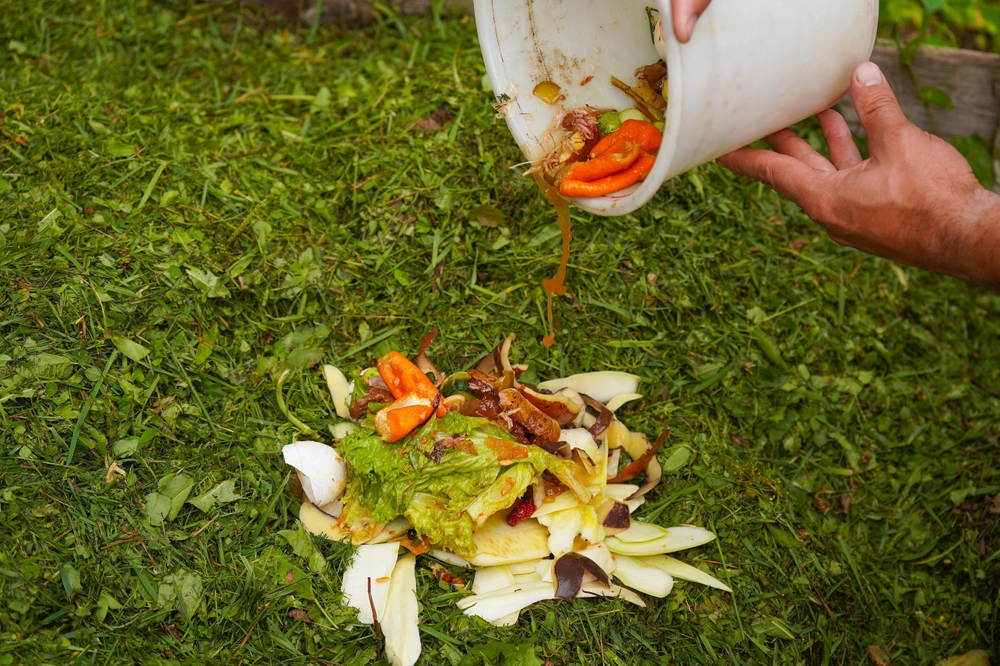
Your tomatoes have stopped producing, the cucumber vines are turning brown, and the zucchini plants hav finally given up for the season. Before you start pulling everything out of the garden, there’s one important question worth asking: Should all those old vegetable plants go into your compost pile?
Composting is one of the easiest ways to turn garden waste into something useful, but tossing every spent plant into the same pile can create problems. Diseased foliage, weed seeds, and poorly managed compost can introduce unwanted trouble into next year’s vegetable beds.
Learning how to compost vegetable plants safely helps you recycle valuable organic material without accidentally spreading plant diseases or creating a bigger gardening headache. According to university extension guidance, healthy plant debris can become an excellent source of compost, but certain materials require special handling.
Here’s how to clean up your vegetable garden, protect next year’s crops, and make the most of what would otherwise become yard waste.
Separate Healthy Plants From Diseased Ones
The first step in learning how to compost vegetable plants safely is inspecting everything you remove from the garden. According to the University of Minnesota Extension, healthy garden debris can be composted successfully when the pile receives proper moisture, oxygen, and a balanced mixture of materials. However, plants showing signs of serious disease deserve additional caution because some pathogens can survive in poorly managed compost. Look for unusual leaf spots, moldy growth, discolored stems, and rotting plant tissue before adding anything to your pile. When you’re uncertain whether a plant is diseased, keeping it out of a typical backyard compost bin is usually the safer choice.
Be Especially Careful With Tomato and Potato Plants
Tomatoes and potatoes deserve extra attention during fall cleanup because they can develop diseases that persist in garden debris. Early blight pathogens can survive on infected plant material and contribute to disease problems in future growing seasons. Late blight and other infections can also create concerns, particularly when contaminated material is not managed appropriately. If your tomato plants develop suspicious dark lesions, extensive leaf spotting, or rapid dieback, don’t automatically add them to a cool backyard compost pile. Instead, follow local extension recommendations for disposing of diseased material, which may include municipal waste collection or a properly managed commercial composting program.
Chop Large Plants Into Smaller Pieces
Whole tomato vines, squash stems, and other bulky vegetable plants can take a surprisingly long time to break down. According to Cornell Waste Management Institute, smaller pieces of organic material generally decompose faster because microorganisms can access more surface area. Use clean pruning shears or garden loppers to cut healthy stems and vines into manageable sections before adding them to the pile. Thick stalks from corn, sunflowers, or mature vegetable plants may need additional chopping or shredding to avoid lingering for months. Taking a few extra minutes during cleanup can help produce more uniform compost and make the pile easier to turn throughout the decomposition process.
Balance Green Material With Dry Brown Ingredients
A successful compost pile needs more than a mountain of freshly pulled vegetable plants. The Environmental Protection Agency recommends combining nitrogen-rich green materials with carbon-rich brown materials to support healthy decomposition. Spent vegetable foliage, fresh grass clippings, and kitchen vegetable scraps contribute nitrogen, while dry leaves, shredded cardboard, and small twigs provide carbon. As a practical starting point, try adding approximately two to three parts brown material for every one part green material by volume, adjusting the mixture when the pile becomes too wet or decomposes slowly. This balance helps reduce unpleasant odors and prevents the soggy, compacted conditions that can make backyard composting frustrating.
Keep the Pile Moist Without Making It Soggy
Understanding how to compost vegetable plants safely also means paying attention to moisture levels. Compost microorganisms need adequate moisture to break down organic matter efficiently. A useful rule is to keep the pile approximately as damp as a wrung-out sponge, rather than soaking wet or completely dry. If your compost smells rotten or feels slimy, add dry leaves or shredded cardboard and turn the material to improve airflow. When the pile becomes excessively dry during fall weather, lightly watering each new layer can help maintain decomposition without creating waterlogged conditions.
Understand Why Compost Temperature Matters
One of the biggest misconceptions about how to compost vegetable plants safely is assuming every backyard compost pile gets hot enough to destroy harmful organisms. Active hot composting can generate temperatures between approximately 130 and 160 degrees Fahrenheit when moisture, oxygen, and material balance are properly managed. Those temperatures can help reduce many weed seeds and plant pathogens, but reaching a high temperature in one section of the pile doesn’t guarantee every piece receives adequate treatment. Small, passive compost bins often remain much cooler, particularly during late fall and winter. Unless you’re carefully monitoring temperatures and turning the pile to expose all materials to sustained heat, avoid composting plants with serious disease problems.
Remove Seed Heads and Persistent Weeds
Spent vegetable plants aren’t the only materials that can cause trouble when added to compost. Mature weeds, seed-bearing plants, and invasive roots may survive in a compost pile that never reaches sufficiently high temperatures. Weed seeds and certain persistent plant materials should be managed carefully because they may remain viable in home compost. Remove mature seed heads before chopping garden debris, especially when plants have already dropped seeds throughout the growing season. This extra step can help prevent your finished compost from introducing unwanted seedlings into raised beds and vegetable rows next spring.
Give Your Compost Enough Time to Finish
Even a well-managed compost pile needs time before its contents are ready to return to the garden. The EPA explains that finished compost generally becomes dark, crumbly, and earthy-smelling, with most original ingredients no longer recognizable. Depending on weather, pile size, and how frequently you turn the material, decomposition can take several months or longer. Avoid spreading unfinished compost directly around young vegetable seedlings because actively decomposing material may temporarily tie up available nitrogen or create unfavorable growing conditions. If your pile isn’t ready by spring, let it continue breaking down rather than rushing the process simply because planting season has arrived.
A Cleaner Garden Today Means Better Soil Tomorrow
Learning how to compost vegetable plants safely is one of the most practical ways to reduce gardening expenses while improving your soil over time. By separating diseased plants, chopping healthy debris, balancing green and brown materials, and maintaining proper moisture, you can turn fall cleanup into a valuable soil-building project. Compost improves soil structure, supports moisture retention, and returns organic matter to the ground. You don’t need expensive equipment or a complicated system to get started, but paying attention to what goes into your pile makes a meaningful difference.
Do you compost your spent vegetable plants every fall, or are there certain crops you always keep out of your compost pile? Share your gardening experiences in the comments.
What to Read Next
Why Fall Composting Gives Spring Gardens a Head Start
Before You Buy Compost, Look at What’s Going in Your Trash
8 Kitchen Scraps That Actually Belong in the Compost — And 5 That Don’t
Leave a Reply