Spring gardening excitement often kicks in long before the weather fully cooperates, and that impatience isn’t a bad thing if you know which crops actually enjoy a cool beginning. Some vegetables don’t just tolerate chilly starts, they genuinely perform better when planted before the soil warms up. These early-season champions grow stronger roots, develop better flavor, and avoid many pests that appear later in the year.
If you’ve ever stared at a cloudy sky wondering whether it’s “too soon” to plant, this list is your permission slip to get growing. Cooler starts aren’t a gamble when you choose vegetables that thrive under those conditions.
1. Peas: Cool Weather’s Overachievers
Peas are practically designed for cooler starts, thriving when soil temperatures hover well below what summer crops prefer. Planting them early allows their roots to establish before heat stress sets in, which directly improves pod production and overall vigor. Cooler weather also keeps vines compact and manageable, making trellising easier and harvesting more pleasant.
For best results, soak seeds overnight and plant them in well-draining soil to prevent rot in damp conditions. Gardeners should consider succession planting every couple of weeks to stretch the harvest window without overwhelming themselves.
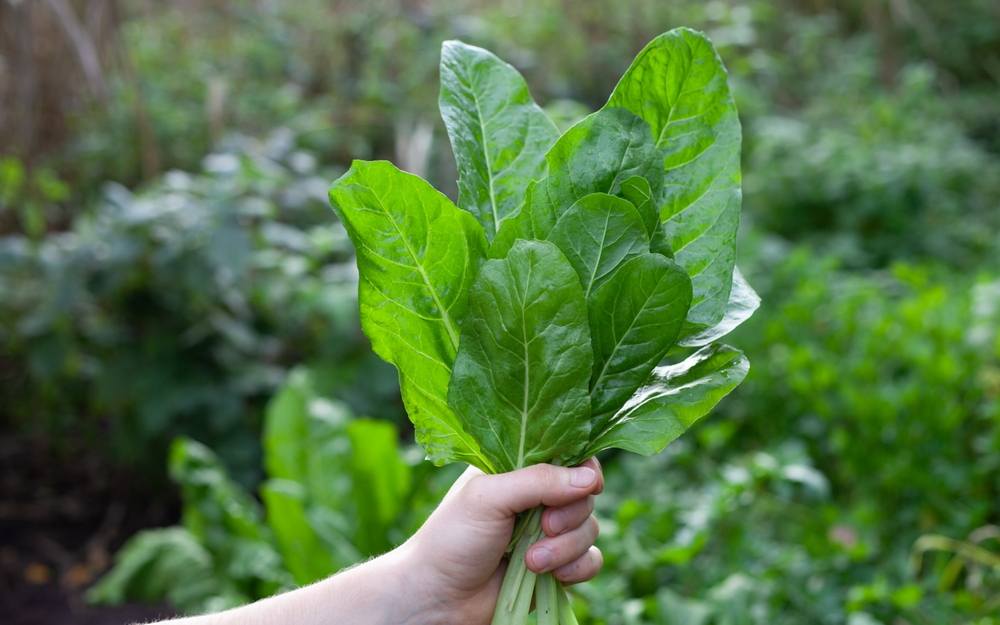
2. Spinach: Flavor Loves the Chill
Spinach is famous for bolting when temperatures rise, which makes a cool start not just helpful but essential. Early planting encourages slow, steady leaf growth that results in sweeter, more tender greens. Cooler conditions also reduce bitterness, making spinach far more enjoyable fresh rather than masked in heavy dressings.
Row covers can offer frost protection while still allowing sunlight and airflow, a smart move for unpredictable early weather. Harvest outer leaves regularly to encourage continuous production and prevent overcrowding.
3. Radishes: Fast, Crisp, and Confident
Radishes are one of the quickest vegetables to mature, and cool weather helps them develop crisp texture instead of woody centers. When planted early, they grow evenly and avoid the sharp, overly spicy flavor that heat can trigger. Cooler soil also supports uniform root formation, reducing the chance of splitting or misshapen bulbs.
Thin seedlings promptly to give each plant room, which is especially important in dense spring soil. Because they mature so fast, radishes make excellent marker plants between slower-germinating crops.
4. Lettuce: Built for Early Success
Lettuce thrives in cool conditions where it can focus on leaf production rather than rushing to seed. Early planting produces fuller heads and softer leaves with a balanced, mild flavor. Cooler temperatures also help lettuce resist common issues like tip burn and premature bolting.
Try planting different varieties together to enjoy varied textures while spreading risk across types. Partial shade later in the season can extend harvests, but those early weeks are where lettuce truly shines.
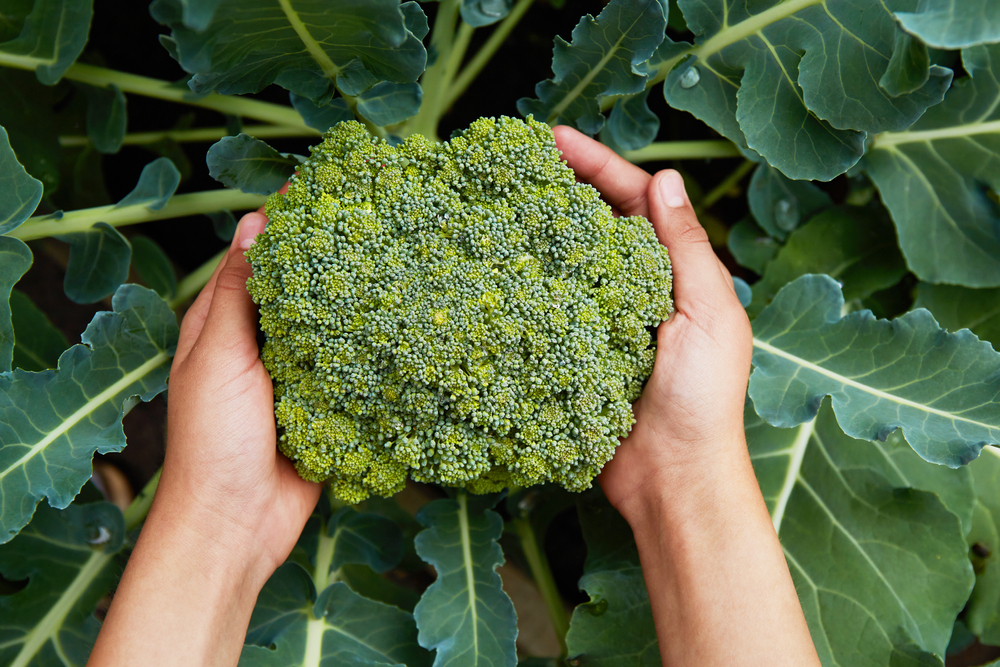
5. Broccoli: Strong Starts Make Better Heads
Broccoli prefers cool beginnings because steady early growth leads to tighter, more uniform heads. When planted early, it develops a robust root system that supports larger yields and better side-shoot production later on. Heat stress during early growth often causes loose or uneven heads, something cool starts naturally prevent.
Watering deeply and keeping the soil moist but not soggy is key. Adding mulch early helps regulate soil temperature while keeping moisture levels stable.
6. Kale: Tough, Tender, and Temperature-Smart
Kale is famously cold-hardy, and cooler starts bring out its best qualities both in texture and taste. Early planting allows leaves to develop slowly, which reduces toughness and enhances natural sweetness. Cool weather also minimizes pest pressure, especially from insects that become active later in the season.
Harvesting young leaves early encourages bushier growth and repeated yields. Gardeners should resist over-fertilizing early on, since slower growth naturally leads to better flavor.
7. Carrots: Straight Roots Start Cool
Carrots benefit from cool soil because it encourages steady root expansion rather than rushed, uneven growth. Early planting reduces the risk of forked or stubby carrots caused by stress or compacted soil warming too fast. Cooler starts also improve sweetness, as sugars develop more gradually under mild conditions.
Loosen soil deeply before planting to give roots an easy path downward. Thinning seedlings carefully is crucial, since crowded carrots never reach their full potential.
Why Cooler Starts Give You a Gardening Advantage
Choosing vegetables that love cool starts isn’t just about timing, it’s about setting your entire season up for success. Early planting reduces pest pressure, improves flavor, and spreads the workload instead of cramming everything into late spring. Cooler conditions encourage stronger roots and healthier growth habits that carry forward as the season warms.
These vegetables also give gardeners quicker wins, which builds confidence and momentum. By working with the weather instead of fighting it, you create a garden that feels easier and more rewarding.
What cool-loving vegetables have surprised you the most in your own garden? Let us know your thoughts in the comments below.
You May Also Like…
6 Vegetables That Don’t Benefit From Expensive Soil Additives
9 Vegetables That Taste Sweeter After Frost
7 Vegetables That Tolerate Cold Starts
The Real Reason Your Seedlings Keep Dying—And It’s Not the Cold
9 Cheap Windbreak Ideas That Save Plants in a Cold Snap

Brandon Marcus is a staff writer for FrugalGardening.com at District Media, Inc., where he delivers practical gardening advice with a relatable, no-nonsense style. An avid amateur gardener, he holds a BA degree and with over ten years of professional writing experience, he is also an award-winning published author whose first book, Questions For Deep Thinkers, was released by Adams Media. His work has appeared in major publications including Fandom.com, CHUD.com, TheColdWire.com, and Fansided.com.
Leave a Reply