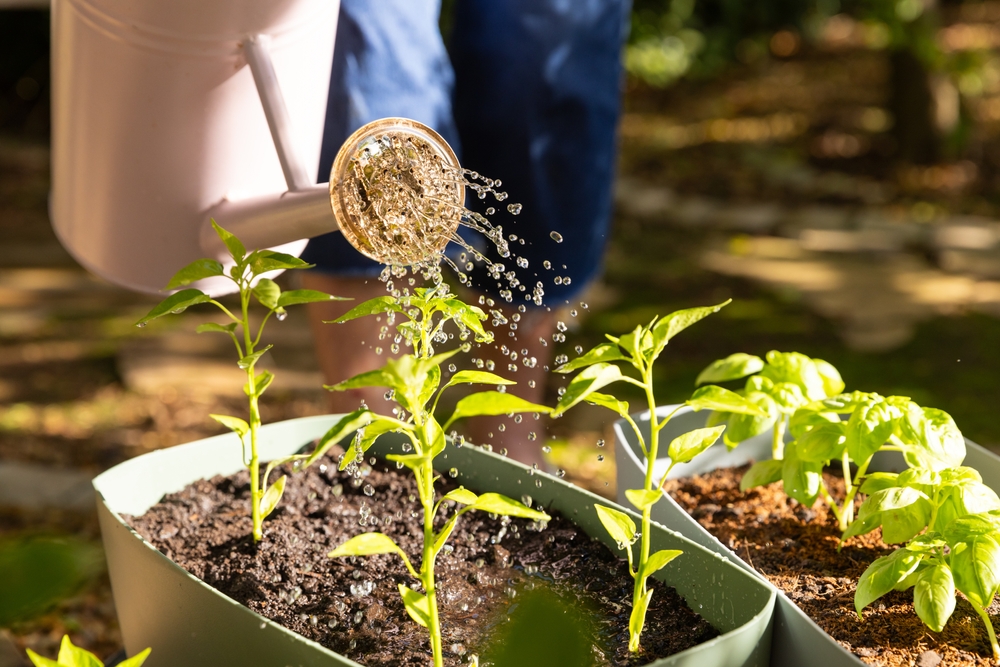
Winter might feel like the time to completely ignore your garden, but your trees and shrubs are quietly plotting their survival. Cold winds, frozen soil, and dry indoor air can stress even the hardiest species, and without proper hydration, they risk desiccation, root damage, or stunted growth come spring.
Watering in winter isn’t about flooding the soil or soaking the leaves; it’s a precise balance of timing, technique, and observation. Done right, it can mean a lush, healthy garden ready to explode with life once the sun returns. Done wrong, and you could be nursing sad, droopy branches all season.
1. Water Before The Ground Freezes
If the soil is already frozen, your trees and shrubs can’t absorb moisture, no matter how much water you pour. Aim to give them a deep drink in the late fall or early winter while the ground is still workable. Focus on the root zone, not the trunk, and spread the water slowly so it penetrates several inches down. This preemptive hydration helps plants survive periods of frozen dormancy.
Keep in mind that evergreen species and newly planted trees are particularly thirsty in this phase. A well-watered root system also helps prevent winter dieback and frost damage. Timing is crucial: once frost sets in, stop watering until a thaw.
2. Check Soil Moisture Regularly
Winter isn’t “no water” season. The soil can dry out under cold winds and snow cover that doesn’t melt quickly. Dig down a few inches to see if the soil still has moisture before deciding to water. If it feels dry, your plants could use a gentle soak. Avoid guessing based on surface moisture alone; it can be deceiving.
Mulched areas can retain moisture, but even then, check occasionally. This simple habit keeps you from underwatering—or accidentally overwatering—during a tricky season.
3. Use The Right Amount Of Water
More isn’t always better. Too much water in winter can freeze and damage roots, while too little leaves plants dehydrated. Aim for slow, deep watering rather than sprinkling small amounts. Saturate the root zone evenly, but avoid puddles forming around the trunk. Consider the species and age of your plants: young trees often need more careful attention than established shrubs. Remember, winter watering is about moderation, not overcompensation.
4. Focus On Newly Planted Trees And Shrubs
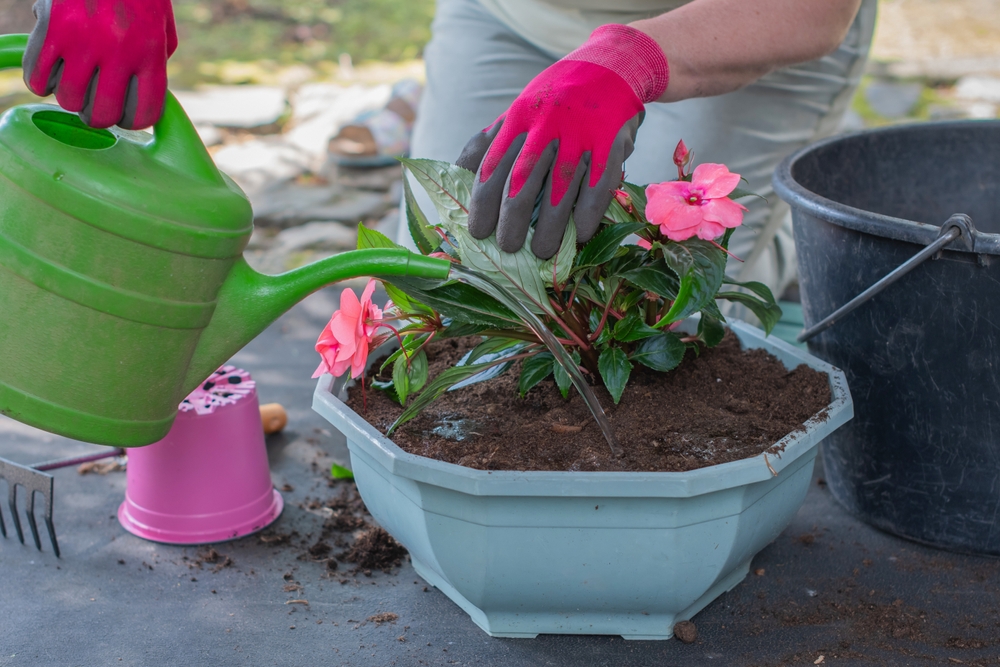
New transplants are extra vulnerable in winter because their roots haven’t established a wide network yet. They can dry out quickly even in cold temperatures. Give them priority with frequent, light watering sessions when the soil isn’t frozen. Protect them with mulch to retain moisture and prevent temperature swings.
Monitor these plants more closely than older specimens, as they’re less resilient to stress. Establishing hydration routines early on makes spring growth far easier to manage.
5. Avoid Watering On Freezing Days
Pouring water on plants when the temperature is below freezing is a no-go. The water can form ice around roots or on the surface, creating more harm than help. Wait for a mild, sunny day if possible, or early morning before the freeze ends. Use lukewarm water for sensitive species to reduce shock. Even a few degrees difference can make winter watering safe and effective. Planning your watering schedule around weather patterns is key.
6. Mulch To Retain Moisture
Mulch isn’t just for summer heat; it’s a winter superstar. A thick layer of mulch insulates roots and prevents rapid moisture loss from the soil. Spread it evenly around trees and shrubs, keeping it a few inches away from trunks to avoid rot. Organic materials like wood chips or shredded leaves work best. Mulching also protects the soil from freezing too quickly, giving water a chance to stay available longer. Combined with careful watering, it creates a protective blanket for your plants’ underground systems.
7. Water Evergreens Regularly
Evergreens continue to transpire through the winter, meaning they lose water even when it’s cold. Pay attention to these thirsty plants during dry spells, especially after windstorms. Deep watering on non-frozen days helps maintain foliage and prevent browning tips.
Spruce, pine, and holly appreciate consistent hydration to stay vibrant. Neglecting them can cause stress that lingers into spring. Their leaves don’t lie—they show stress quickly, so keep an eye out.
8. Use Drip Or Soaker Hoses For Efficiency
Winter watering works best when you go slow and steady. Drip irrigation or soaker hoses allow water to sink deep without runoff. They also reduce the risk of ice forming on leaves or soil surfaces. These tools are perfect for larger shrubs and garden beds, ensuring even coverage. Position hoses carefully around the root zone for maximum impact. Minimal splash equals minimal risk of frost damage. Efficiency meets care with this approach.
9. Avoid Watering During Heavy Snow Or Ice
While snow itself provides some hydration, don’t water during storms or when ice has formed. Plants can’t absorb water effectively, and runoff or ice build-up can create hazards. Wait until the snow melts or ice clears, then check soil moisture. This keeps you from overwatering and causing root issues. Winter storms are natural buffers, but they don’t replace careful hydration. Patience ensures that watering actually benefits your plants.
10. Monitor And Adjust As The Season Progresses
Winter isn’t static, and neither should your watering schedule be. Temperature swings, snowfall, and dry winds can all change how much water your trees and shrubs need. Keep a flexible approach and observe signs of stress: drooping leaves, browning tips, or dry soil. Adjust watering frequency and volume accordingly. Being responsive rather than rigid is the secret to healthy winter plants. Your attention pays off with stronger growth and fewer surprises come spring.
Tell Us About Your Winter Watering Wins
Keeping your trees and shrubs happy in winter takes observation, patience, and a touch of strategy. These ten rules cover the essentials, but every garden has its quirks and surprises.
What’s worked for you when keeping plants hydrated during cold months? Do you have any tricks, experiments, or lessons learned? Drop your thoughts or stories in the comments below.
You May Also Like…
8 Cold-Weather Watering Mistakes That Cause Winter Rot
7 Things You Should Never Compost in Winter—Even If You Do in Summer
This One Winter Gardening Habit Could Be Spreading Invasive Pests Across the South
The Watering Schedule That Saves Roots — and Prevents Ice Damage
This Common Winter Weed Is Spreading Fast in Georgia—Here’s How to Stop It Naturally

Brandon Marcus is a staff writer for FrugalGardening.com at District Media, Inc., where he delivers practical gardening advice with a relatable, no-nonsense style. An avid amateur gardener, he holds a BA degree and with over ten years of professional writing experience, he is also an award-winning published author whose first book, Questions For Deep Thinkers, was released by Adams Media. His work has appeared in major publications including Fandom.com, CHUD.com, TheColdWire.com, and Fansided.com.
Leave a Reply