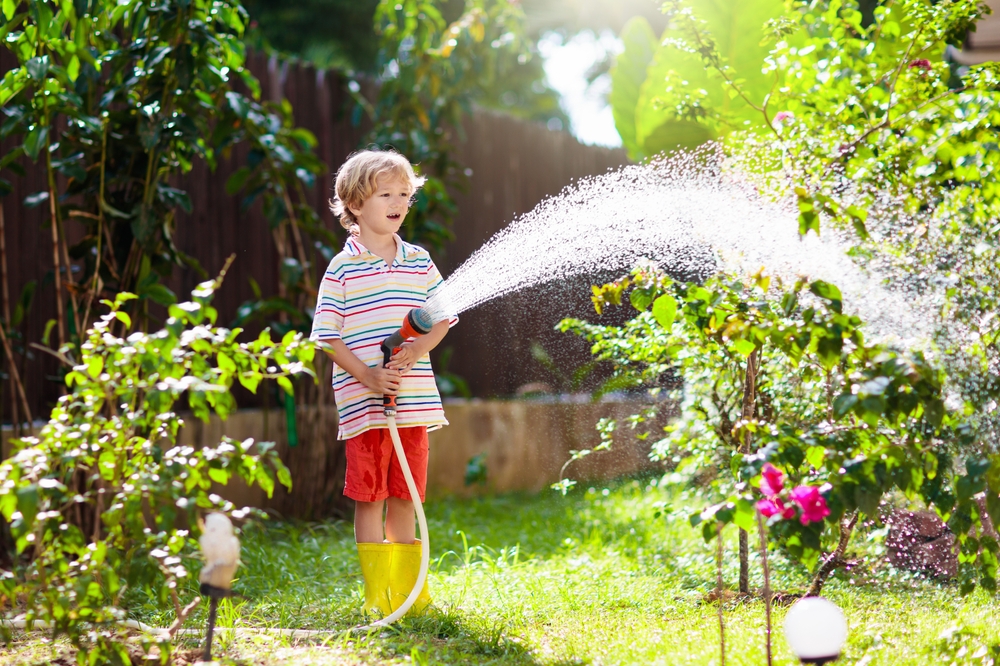
Imagine sprinting through a lush garden bursting with color, the scent of fresh herbs in the air, and the sun warming your shoulders. Now imagine doing all of that without ever worrying about your water meter skyrocketing. Early garden planning isn’t just about aesthetics—it’s a secret weapon for keeping your utility bills low.
By thinking ahead, gardeners can craft landscapes that thrive naturally, needing far less water over time. The thrill of watching a well-planned garden flourish while saving money is unmatched.
Understanding Soil Types And Their Water Needs
Not all soils are created equal, and knowing your soil type is a game-changer. Sandy soils drain quickly and often need more frequent watering, while clay soils hold moisture longer but can suffocate roots if overwatered. Loamy soil, a balanced mix of sand, silt, and clay, is the dream for water efficiency. By testing soil early, gardeners can amend it properly to retain moisture without overwatering. This simple step reduces wasted water and ensures plants thrive with less effort.
Choosing Drought-Tolerant Plants Early
Selecting the right plants before planting makes a huge difference in water use. Native plants are designed to survive local climates and require minimal extra watering. Drought-tolerant species store water in their leaves or roots, keeping them alive even in dry spells. Early planning allows for grouping plants with similar water needs, so irrigation becomes efficient. Gardens built with foresight can flourish with a fraction of the water of a randomly planted yard.
Designing Efficient Irrigation Systems
Strategic irrigation is one of the fastest ways to cut water bills. Planning ahead means you can install drip systems or soaker hoses that deliver water directly to plant roots. Sprinklers often waste water on walkways or driveways, but targeted irrigation maximizes efficiency. Early design lets you map zones by plant type and sun exposure, avoiding overwatering. Efficient irrigation isn’t just practical—it’s satisfying to watch water disappear into soil, not puddles.
Utilizing Mulch For Moisture Retention
Mulching early is like giving your garden a cozy blanket to trap moisture. Organic mulches, such as wood chips or straw, slowly release nutrients while reducing evaporation. Mulch also keeps soil temperature stable, reducing plant stress and water needs. Applying it before planting or right after transplanting ensures roots stay hydrated longer. Over time, this simple step dramatically decreases how often you need to water.
Timing Planting With Seasonal Rainfall
Planting at the right time is a water-saving strategy often overlooked. Early spring or fall typically brings natural rainfall, giving new plants a head start. Scheduling planting around these periods reduces the reliance on supplemental watering. Planning your garden calendar also allows you to stagger planting, avoiding periods when water demand peaks. By syncing with nature’s rhythms, your garden grows stronger while your bills shrink.
Creating Microclimates For Water Efficiency
Microclimates are tiny pockets in your garden where conditions differ from the surrounding area. Trees, walls, or fences can create shade that reduces evaporation in vulnerable spots. Early planning lets you place heat-loving or drought-sensitive plants in ideal microclimates. Windbreaks and strategic shading also protect soil from drying out too quickly. Exploiting microclimates is like having a secret water-saving strategy hidden in plain sight.
Implementing Rainwater Harvesting Early
Rainwater harvesting is easier and cheaper when planned from the start. Gutters, barrels, and underground tanks can be incorporated during the initial design phase. Captured rainwater is free and often better for plants than tap water, which may contain chemicals. Early installation allows for careful placement of storage tanks near high-demand zones. Using rainwater reduces dependency on municipal supply, directly cutting costs over time.
Planning Pathways And Hardscapes Wisely
Where you place walkways, patios, and other hard surfaces affects water usage more than most gardeners realize. Impermeable paths can increase runoff, forcing you to water plants more frequently. Early planning lets you design with permeable materials or natural slopes to direct water to plants. Positioning hardscapes strategically creates pockets where rainwater naturally accumulates. Thoughtful layout ensures less water is wasted on evaporation or inefficient runoff.
Monitoring And Adjusting Irrigation
A well-planned garden still needs occasional adjustments, but early planning makes this easier. Installing moisture sensors or smart irrigation systems allows precise control over watering schedules. Early setup of these tools means data collection starts from the beginning, revealing trends quickly. Adjustments based on real-time monitoring prevent overwatering and unnecessary bills. This combination of foresight and technology ensures efficiency all year round.
Enjoying The Long-Term Savings
Gardens are investments, and early planning multiplies the return. Water savings compound year after year as plants mature and irrigation systems optimize. Less time spent hauling hoses means more time enjoying your garden’s beauty. A smartly planned garden also tends to be healthier and more resilient, reducing replacement costs. Ultimately, planning ahead transforms gardening from a chore into a money-saving, stress-reducing adventure.
We Want To Hear From You!
Early garden planning isn’t just practical—it’s exciting, rewarding, and financially savvy. Now that you’ve learned the strategies, think about your own garden and how you could apply them. Have you experienced a garden that thrived while saving water? Perhaps you’ve discovered clever ways to reduce irrigation that others could benefit from.
Let us know your thoughts or stories in the comments below. Your experiences can inspire fellow gardeners to plan smarter and save more.
You May Also Like…
Are You Wasting Money on Plants That Don’t Survive Your Climate?
How One Invasive Vine Can Choke Out Your Entire Garden in Weeks
How Crop Rotation Planning Starts in Autumn
13 Essential Trips to Planning a Dream Vacation
This Garden Trick Could Cut Your Water Bill in Half

Brandon Marcus is a staff writer for FrugalGardening.com at District Media, Inc., where he delivers practical gardening advice with a relatable, no-nonsense style. An avid amateur gardener, he holds a BA degree and with over ten years of professional writing experience, he is also an award-winning published author whose first book, Questions For Deep Thinkers, was released by Adams Media. His work has appeared in major publications including Fandom.com, CHUD.com, TheColdWire.com, and Fansided.com.
Leave a Reply