The winter frost might have you dreaming of hot cocoa by the fireplace, but savvy gardeners know January is not a month for hibernation—it’s a month for preparation. The quiet chill outside is the perfect signal to turn your attention to the soil beneath your feet. Skipping this early prep may feel harmless now, but come spring, your garden will pay the price with stunted growth, nutrient deficiencies, and frustrating delays.
Early soil work gives plants a head start, ensures nutrients are locked in, and prevents common headaches that plague late starters. If your goal is a flourishing garden with minimal surprises, January is the secret weapon you cannot ignore.
Understanding Soil Health Before Planting Season
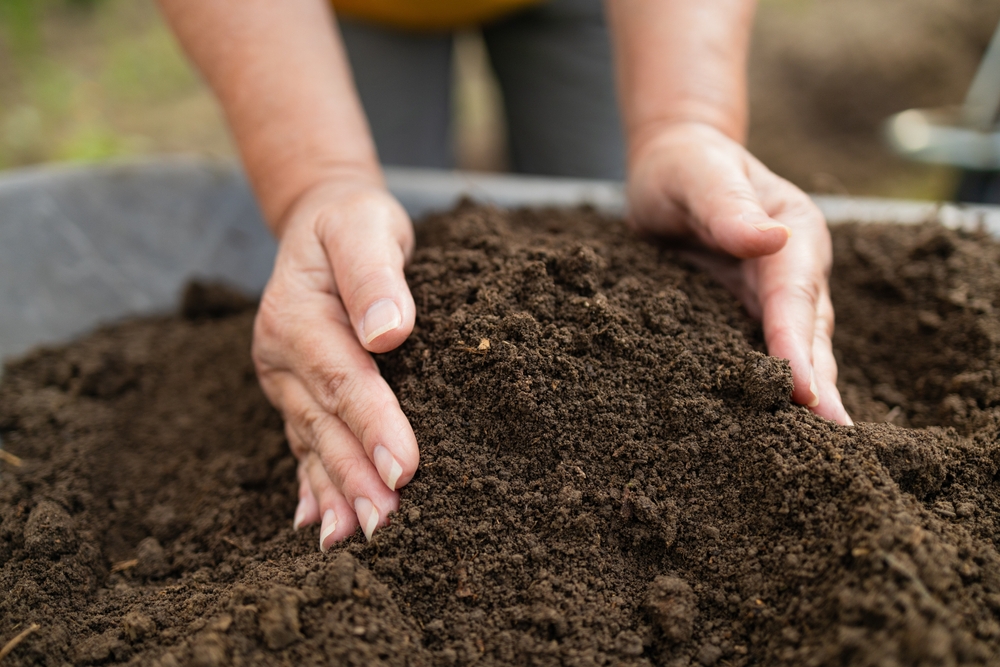
Healthy soil is the backbone of a thriving garden, and January is prime time to assess it. Testing your soil’s pH and nutrient content now gives you the insight to make adjustments before it’s too late. Amending soil in winter allows fertilizers, compost, and organic matter to break down fully, creating a rich environment for roots to grow. Waiting until spring can stress plants and reduce their growth potential, as roots struggle in unbalanced or compacted soil. The effort invested in winter soil care pays dividends in stronger, more resilient plants and higher yields throughout the year.
Combatting Compaction With Early Intervention
Heavy winter rains and frozen soil can create compaction that suffocates roots if left unaddressed. By loosening soil in January, gardeners ensure water and nutrients penetrate evenly, preventing shallow rooting. Tilling or forking soil during this quiet period improves drainage and gives roots room to expand once growth begins. Compacted soil in spring can lead to water pooling, poor aeration, and vulnerable plants that are more susceptible to pests and disease. Early intervention now means fewer headaches and healthier plants when the sun finally returns.
Boosting Nutrient Levels With Winter Amendments
Nutrients don’t magically appear—they require deliberate replenishment, and January is perfect for adding them. Compost, aged manure, and organic fertilizers applied now have time to integrate fully with the soil. This early boost ensures that when seeds hit the ground, they encounter a nutrient-rich environment that supports vigorous growth. Waiting until planting season can mean nutrients aren’t fully available when plants need them most, causing slow starts or weak stems. Gardeners who prep now enjoy lush foliage and bountiful harvests later in the year.
Minimizing Pest And Weed Problems Early
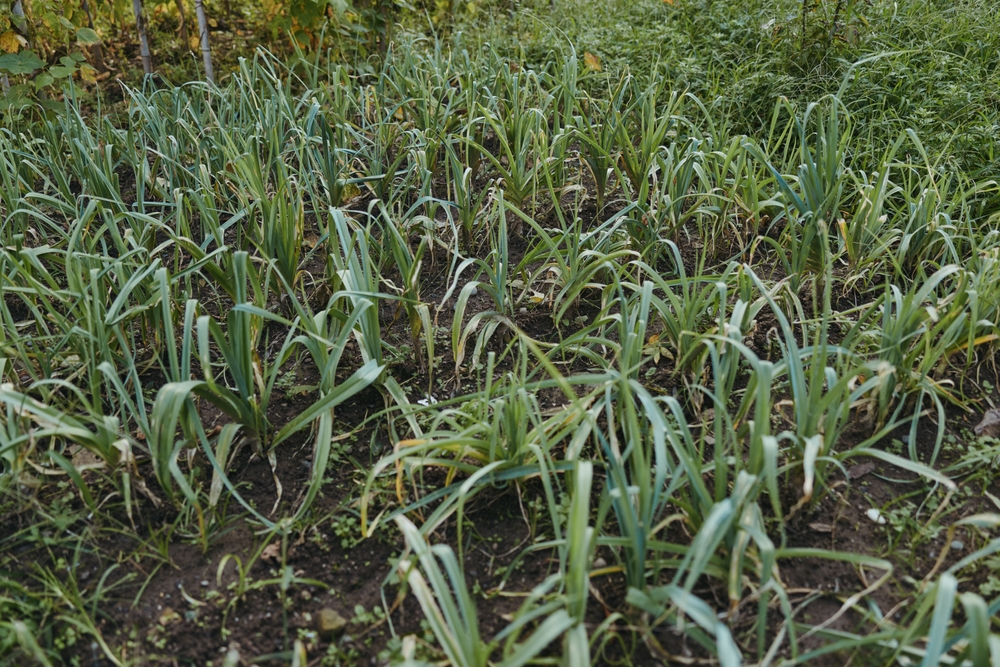
While it may seem like pests and weeds are dormant in winter, the soil already holds the beginnings of potential trouble. Turning the soil and adding organic matter in January disrupts overwintering weed seeds and larvae. This gives you a head start on controlling unwanted invaders before they become full-blown spring disasters. Early soil prep also encourages beneficial organisms, like earthworms and microbes, to thrive, naturally defending your garden. By addressing pest and weed challenges now, gardeners avoid scrambling during the busy planting season.
Enhancing Soil Structure For Future Planting
The structure of your soil directly impacts how well plants develop roots and absorb water. January’s slower pace provides the perfect opportunity to improve structure with compost, sand, or organic matter depending on your soil type. Well-structured soil drains effectively, retains moisture, and resists erosion—key factors for long-term garden health. Gardens ignored in winter often struggle with waterlogging or crusting in spring, making planting and seed germination a frustrating chore. Prioritizing structure now ensures your garden hits the ground running when planting season arrives.
Timing Matters For Maximum Plant Performance
Planting without January prep is like starting a race with one foot stuck in mud—you can try, but performance suffers. Early preparation means soil temperatures and composition are optimized for seedlings and transplants. It allows gardeners to plan crop rotations, companion planting, and succession planting with more precision. Plants benefit from immediate access to nutrients and moisture, reducing stress and enhancing resilience. Ultimately, gardeners who respect winter prep see faster growth, earlier blooms, and more abundant harvests.
Saving Time And Stress In The Busy Season
Spring often feels like a race against time, with planting deadlines and garden chores piling up. Prepping soil in January reduces that pressure, giving you a smoother, less stressful start. Instead of scrambling with amendments, weeding, and pest control at the same time as planting, your garden is already primed for success. The time invested now becomes hours saved later, plus the peace of mind knowing you’ve done everything right. Stress-free gardening in spring is a reward few early preparers forget.
Your Garden Will Thank You Later
Skipping January soil prep might feel tempting when the cold keeps you indoors, but your garden will remind you of the consequences in spring. Taking the time now to test, amend, and structure your soil creates healthier, more resilient plants and a more enjoyable gardening experience overall. Winter prep isn’t just about avoiding problems—it’s about giving your garden every advantage to thrive.
Consider it an investment in growth, productivity, and peace of mind. Let us know your experiences with winter soil prep or any garden victories and lessons in the comments section below.
You May Also Like…
Why You Should Rethink Tilling Your Soil This Year
The Surprising Reason Your Soil Gets Worse Each Year
Does Your Garden Have the Right Soil Mix for Winter Planting?
14 January Garden Tasks That Give You a Huge Spring Head Start
12 Ways to Build Soil Over Winter Using Leaves, Compost & More

Brandon Marcus is a staff writer for FrugalGardening.com at District Media, Inc., where he delivers practical gardening advice with a relatable, no-nonsense style. An avid amateur gardener, he holds a BA degree and with over ten years of professional writing experience, he is also an award-winning published author whose first book, Questions For Deep Thinkers, was released by Adams Media. His work has appeared in major publications including Fandom.com, CHUD.com, TheColdWire.com, and Fansided.com.
Leave a Reply