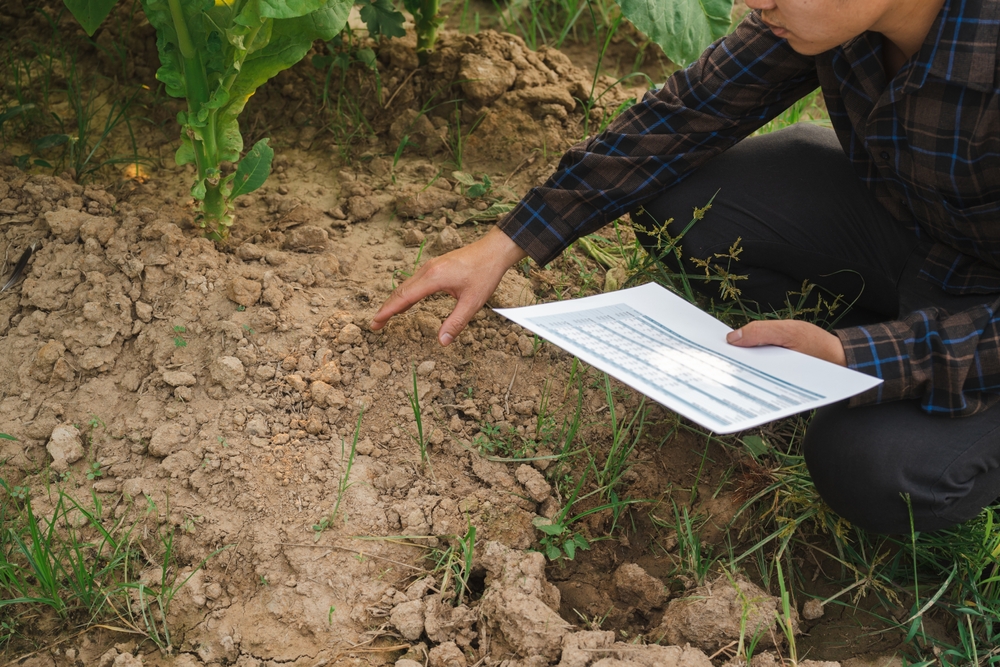
Your garden might look peaceful, productive, and downright wholesome on the surface, but beneath those tidy rows and green leaves, a quiet rebellion could be underway. Soil doesn’t just sit there patiently waiting to serve plants forever—it changes, reacts, and sometimes fights back. Each year, without you realizing it, your soil may be losing its strength, its balance, and its ability to support healthy growth. And the most shocking part? The very things we’re taught to do to “care” for soil are often the exact reasons it gets worse.
Once you understand what’s really happening underground, you can flip the script and make your soil better year after year instead of watching it slowly decline.
The Silent Stress Of Overworking The Ground
Most soil problems begin with good intentions and a shovel. Frequent digging, tilling, and turning may look productive, but they break apart the natural structure soil needs to thrive. Healthy soil is layered and full of microscopic tunnels created by roots, fungi, insects, and microbes working together. When we constantly disturb that system, we collapse those pathways and expose delicate organisms to air, sun, and predators. Over time, soil becomes compacted, lifeless, and far less capable of holding water or nutrients.
The Nutrient Trap We Accidentally Create
Fertilizer feels like a shortcut to healthy plants, but it can quietly train soil to become dependent. When nutrients are constantly added from the outside, soil life stops doing the work of cycling and storing nutrients naturally. Microbes that once converted organic matter into plant food lose their purpose and populations shrink. This creates a cycle where soil becomes less self-sufficient, requiring even more fertilizer each season just to maintain the same results. Eventually, plants grow fast but weak, and the soil beneath them is left exhausted.
Why Bare Soil Is A Bigger Problem Than You Think
Leaving soil exposed may seem harmless, but it’s one of the fastest ways to degrade it. Sunlight bakes the surface, wind carries particles away, and rain compacts what remains into a hard crust. Without plant roots or mulch to protect it, soil loses moisture faster and becomes hostile to microbial life. Nature rarely leaves soil naked, and when we do, erosion and nutrient loss accelerate quickly. Covered soil is living soil, and uncovered soil is slowly unraveling.
How Modern Gardening Disrupts Ancient Biology
Soil ecosystems evolved over millions of years with plants, fungi, bacteria, and insects all playing specialized roles. Modern gardening often interrupts this ancient teamwork through chemicals, monocropping, and aggressive cleanup habits. Removing fallen leaves, pulling every weed, and sterilizing beds may look neat, but it eliminates food sources and habitats for beneficial organisms. When diversity disappears, resilience goes with it. The soil becomes more vulnerable to disease, pests, and nutrient swings.
The Hidden Cost Of Compaction And Foot Traffic
Every step across a garden bed compresses the soil slightly, squeezing out air pockets roots desperately need. Over time, compacted soil becomes dense and resistant to root growth and water infiltration. Plants then struggle to access oxygen and moisture, even when both are present. Compaction also prevents earthworms and microbes from moving freely, which slows down nutrient cycling. The soil might look fine on top, but underneath it’s slowly suffocating.
Watering Habits That Quietly Cause Damage
Water is life, but how it’s applied makes all the difference. Frequent shallow watering trains roots to stay near the surface, making plants more fragile during heat or drought. Overwatering also flushes nutrients downward, away from where roots can reach them. Meanwhile, soil structure weakens as excess water displaces air pockets and encourages compaction. Balanced, deep watering supports healthier roots and a stronger soil ecosystem.
Why Soil Needs Rest Just Like People Do
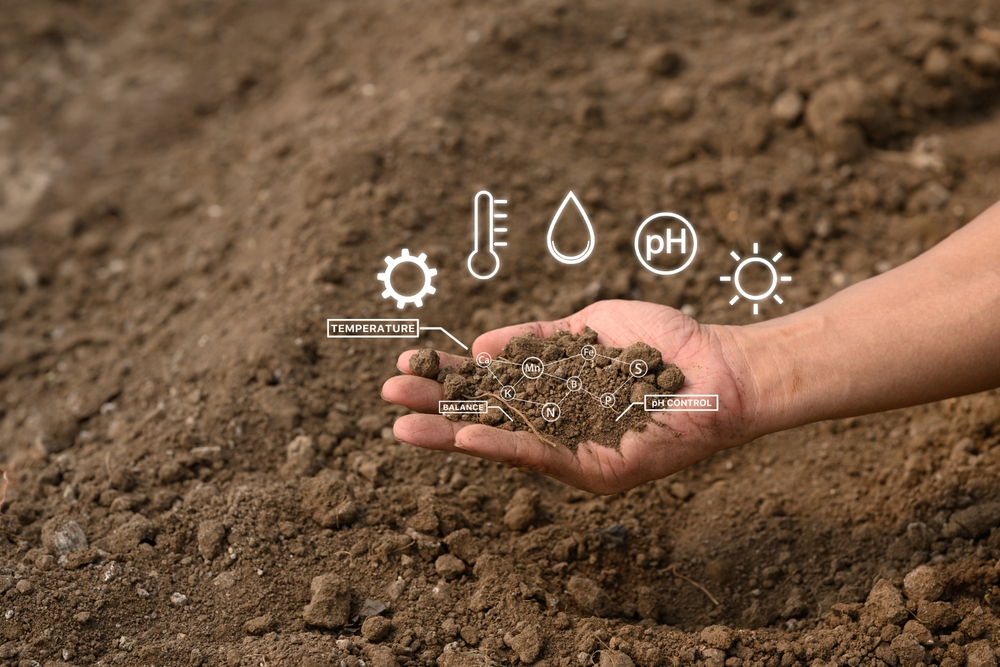
Continuous planting without recovery time wears soil down in subtle ways. Crops pull specific nutrients repeatedly, and without rotation or rest, deficiencies pile up. Nature’s answer has always been diversity and pauses—periods where soil rebuilds organic matter and microbial strength. Cover crops, mulching, and seasonal breaks allow soil to reset itself. When soil rests, it doesn’t stop working; it quietly heals.
The Simple Shift That Changes Everything
The most powerful way to improve soil is to stop fighting it and start partnering with it. Adding organic matter, reducing disturbance, keeping the surface covered, and encouraging biodiversity all move soil back toward balance. Healthy soil becomes darker, softer, and more alive each year instead of more depleted. Once that transformation begins, gardening becomes easier, not harder. The soil starts doing the heavy lifting for you.
Your Soil Is Talking—Are You Listening?
Soil doesn’t fail overnight, and it doesn’t recover instantly either. It responds to patterns, habits, and the respect we give it over time. By understanding what quietly weakens soil each year, you gain the power to reverse the damage and build something richer beneath your feet. The most exciting part is that even small changes can spark massive improvements.
If you’ve noticed changes in your own soil or learned lessons the hard way, jump into the comments below and let others learn from your experience.
You May Also Like…
Does Your Garden Have the Right Soil Mix for Winter Planting?
12 Ways to Build Soil Over Winter Using Leaves, Compost & More
The Secret to Maintaining Soil Health Under Snow
Leaf Mold Gold: Turning Yard Waste into Next Year’s Best Soil
Why Compost Tea Works Better in Cool Soil

Brandon Marcus is a staff writer for FrugalGardening.com at District Media, Inc., where he delivers practical gardening advice with a relatable, no-nonsense style. An avid amateur gardener, he holds a BA degree and with over ten years of professional writing experience, he is also an award-winning published author whose first book, Questions For Deep Thinkers, was released by Adams Media. His work has appeared in major publications including Fandom.com, CHUD.com, TheColdWire.com, and Fansided.com.
Leave a Reply