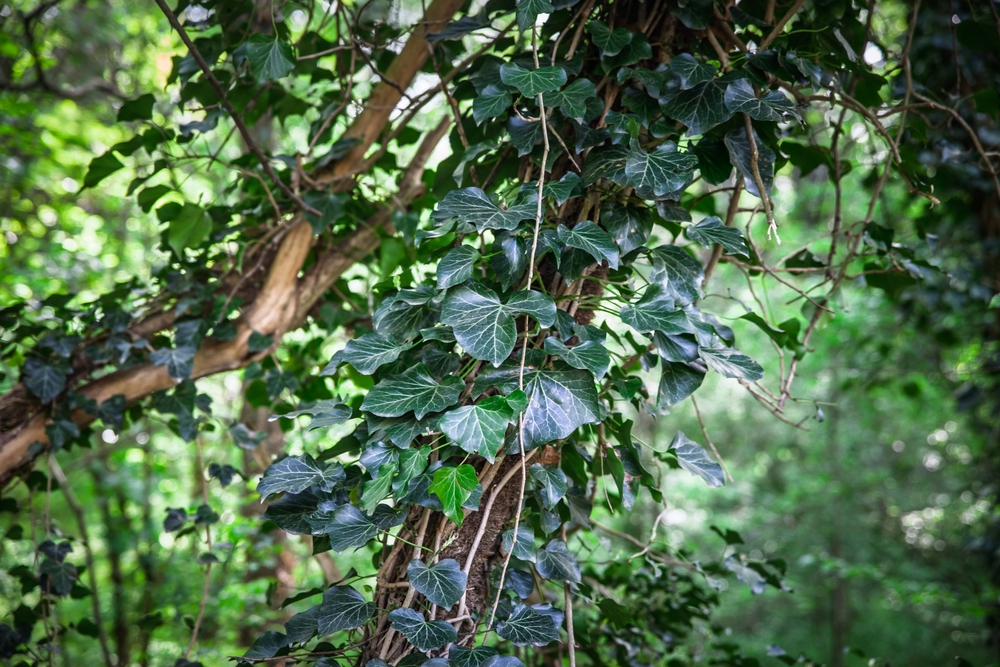
Gardens are supposed to be peaceful havens—lush greenery, bright blooms, and the gentle hum of life. But what happens when a stealthy, green predator sneaks in and turns that paradise into a tangled battlefield? Enter the invasive vine: a seemingly innocent plant with a secret mission to dominate everything in its path.
One week it’s a few harmless tendrils, and the next, it’s wrapping your trellis, strangling your shrubs, and smothering flowers in a choking grip. If you think a garden can outsmart nature, think again—this is survival of the fittest, and the vine has a PhD in persistence.
How Invasive Vines Spread Like Wildfire
Invasive vines are masters of disguise and stealth. They often hitch a ride in soil, plant nursery shipments, or even on the soles of your shoes, quietly infiltrating your garden. Once established, their growth rate is nothing short of astonishing—some species can double in size every week during the growing season. Vines employ clever strategies like twisting around other plants or climbing structures, allowing them to reach sunlight while suppressing competitors below. By the time gardeners notice, the vine has already claimed vast territory, leaving little room for anything else to thrive.
Why They Outcompete Your Other Plants
Unlike typical garden plants, invasive vines don’t play fair. They are relentless, often producing dense foliage that blocks sunlight from reaching smaller plants underneath. Their root systems can monopolize soil nutrients, leaving neighboring flowers and vegetables starved for sustenance. Some vines even release chemicals into the soil that inhibit the growth of other plants, a sneaky tactic called allelopathy. When combined, these strategies create a chokehold that can devastate an entire garden in a matter of weeks.
The Role Of Seeds And Spores In Vine Takeover
Seeds are the secret weapons in a vine’s arsenal. Many invasive species produce enormous quantities of tiny seeds that are easily carried by wind, water, or wildlife. Birds, squirrels, and even household pets can inadvertently distribute seeds across your property, giving the vine new ground to conquer. Some vines also propagate through stem cuttings, meaning even a small fragment left behind after trimming can root and regrow. This dual strategy of seeds and vegetative propagation ensures that your garden faces a constant and aggressive threat.
How Climate And Environment Fuel Vine Growth
Invasive vines thrive in a wide range of environments, making them difficult to control. Warm temperatures, ample rainfall, and fertile soil accelerate their growth, turning minor infestations into major crises almost overnight. Urban gardens aren’t safe either; these vines can flourish in cracks, fences, and abandoned lots, slowly creeping into nearby cultivated spaces. Sunlight is their ally—they twist and climb toward light with a precision that seems almost intelligent. In short, if the conditions are even moderately hospitable, the vine will find a way to thrive and dominate.
Signs Your Garden Is Under Siege
Recognizing the early warning signs of a vine invasion is crucial for saving your plants. Twisting, creeping stems, unusually dense foliage, and rapid coverage of structures are all red flags. Yellowing or wilting plants beneath the vine often indicate nutrient competition or light deprivation. If you spot seedlings sprouting in unexpected places, it could signal that seeds have already taken root. Acting at these early stages can make the difference between a manageable project and a full-blown garden emergency.
Proven Strategies To Fight Back
Fighting an invasive vine requires both patience and precision. Manual removal is effective but must be thorough; any root fragments left behind can regrow into new vines. Mulching heavily around vulnerable plants helps suppress seedlings and slow vine encroachment. For larger infestations, targeted herbicide application may be necessary, but always follow safety guidelines to protect your garden’s other residents. Consistent monitoring and prompt action are essential—delays give the vine time to establish dominance, making eradication far more difficult.
Long-Term Prevention Techniques
Prevention is always better than cure when it comes to invasive vines. Avoid introducing unknown plants into your garden, and inspect new arrivals carefully for hidden vines. Installing physical barriers or trellises can redirect growth away from sensitive areas. Regular pruning and garden maintenance prevent vines from gaining the upper hand before they become a threat. Building a strong foundation of vigilance ensures your garden remains healthy, vibrant, and vine-free for years to come.
Why Every Gardener Needs To Stay Vigilant
Invasive vines are a reminder that nature doesn’t always cooperate with human plans. Even the most experienced gardener can find themselves overwhelmed if vigilance lapses. Understanding the lifecycle, growth patterns, and reproductive strategies of these vines equips you to fight back effectively. Communities can also help; coordinated efforts reduce the spread across neighborhoods and parks. Staying proactive transforms garden management from a reactive struggle into a confident, controlled practice.
Protect Your Garden Before It’s Too Late
Invasive vines may be small at first, but their impact is enormous and unforgiving. The key to protecting your garden is awareness, vigilance, and timely intervention. Gardeners who understand how these plants operate have a fighting chance to maintain vibrant, thriving landscapes.
Share your thoughts, experiences, or strategies in the comments section below and join the conversation about defending your green space. After all, a little knowledge and a lot of action can turn the tide in your garden’s favor.
You May Also Like…
8 Vines That Should Be Cut Back Before Snow
Why Pumpkins Rot Faster if Left on Vines
10 Terrariums Indoor Greenhouses You Can Set Up This Winter
12 Creative Garden Borders You Can Install in December
10 Creative Wreath Ideas Using Garden Materials

Brandon Marcus is a staff writer for FrugalGardening.com at District Media, Inc., where he delivers practical gardening advice with a relatable, no-nonsense style. An avid amateur gardener, he holds a BA degree and with over ten years of professional writing experience, he is also an award-winning published author whose first book, Questions For Deep Thinkers, was released by Adams Media. His work has appeared in major publications including Fandom.com, CHUD.com, TheColdWire.com, and Fansided.com.
Leave a Reply