Cold weather doesn’t mean the garden shuts down—it just changes the game. While many gardeners pack up their tools and wait for spring, the savvy ones know that chilly seasons offer hidden opportunities to grow food cheaply, efficiently, and with surprisingly little effort. Crisp air, fewer pests, and gentler sunlight create ideal conditions for crops that actually prefer the cold.
If you’ve ever wanted to stretch your growing season, save money, and feel like a gardening wizard while everyone else is hibernating, this is your moment. Let’s talk about eight cold-season crops that thrive with minimal investment and maximum satisfaction.
1. Spinach
Spinach is practically the superhero of cold-weather gardening, thriving in temperatures that make other plants wave the white flag. It germinates quickly, grows fast, and can be harvested multiple times if you cut the outer leaves first. Even light frost can improve its flavor, making it sweeter and more tender. You don’t need fancy soil or expensive fertilizer—just decent drainage and regular moisture. For minimal cost and maximum nutrition, spinach is hard to beat.
2. Kale
Kale is tough, resilient, and nearly impossible to intimidate by cold weather. In fact, frost actually enhances its flavor by converting starches into natural sugars. Once established, kale keeps producing for months with minimal care, making it one of the best returns on a small investment. It tolerates poor soil better than many crops and doesn’t demand constant attention. If you want a cold-season plant that feels almost indestructible, kale is your go-to.
3. Carrots
Carrots love cool soil, and fall or early winter planting can lead to incredibly sweet roots. Cold temperatures slow their growth, allowing sugars to develop more fully underground. They require little more than loose soil and patience, making them budget-friendly and beginner-approved. You can even leave them in the ground and harvest as needed, which doubles as natural storage. Few crops reward you so generously for doing so little.
4. Radishes
If you’re impatient, radishes are your cold-season best friend. Many varieties mature in as little as three to four weeks, even in cooler temperatures. They don’t need rich soil, deep beds, or special care, making them ideal for first-time gardeners. Radishes also help loosen soil, benefiting nearby plants. Fast, feisty, and flavorful, they deliver quick wins when motivation is low.
5. Garlic
Garlic is a plant-it-and-forget-it superstar that thrives in cold conditions. Planted in the fall, it quietly develops roots over winter and explodes with growth in spring. It requires minimal watering, minimal fertilizing, and almost no babysitting. By early summer, you’re rewarded with flavorful bulbs that store beautifully. Few crops offer such a high payoff for such a small upfront effort.
6. Lettuce
Lettuce loves cool temperatures and often bolts in heat, making the cold season its time to shine. It grows quickly, especially loose-leaf varieties, and can be harvested multiple times. Lettuce thrives in containers, raised beds, or small garden plots, keeping costs low. Cooler weather also reduces pest pressure, which means fewer headaches and fewer interventions. It’s an easy win for fresh salads straight from the soil.
7. Peas
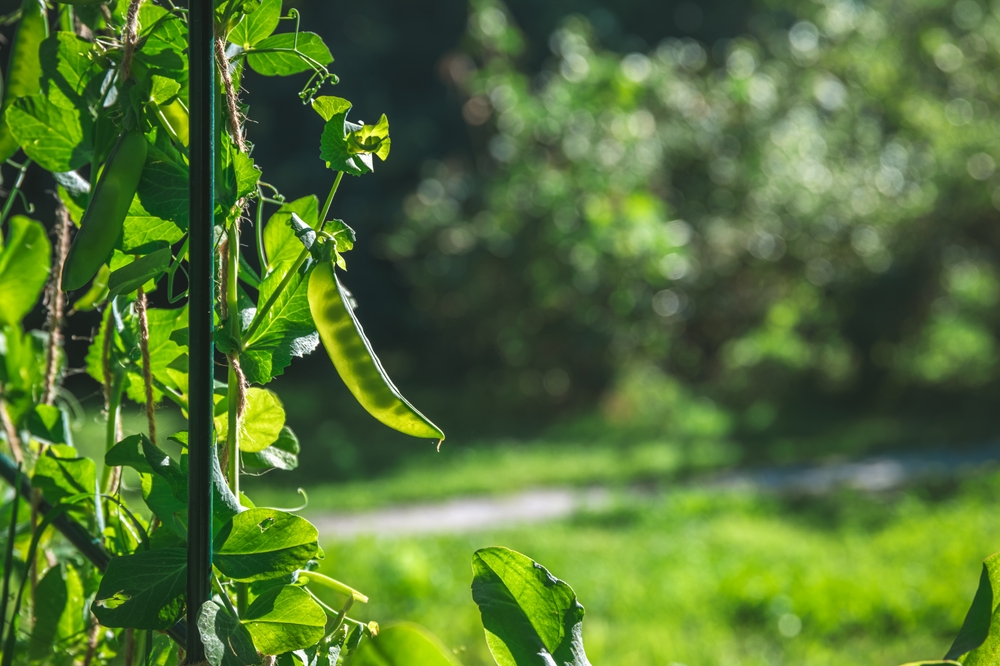
Peas adore cool air and can be planted early when other crops would sulk. They germinate reliably in cooler soil and don’t require heavy feeding to perform well. As a bonus, peas improve soil health by fixing nitrogen, helping future crops thrive. A simple trellis or even sticks and twine are enough to support them. Their sweet flavor and vertical growth make them a smart and satisfying choice.
8. Onions
Onions are surprisingly cold-tolerant and incredibly forgiving. Whether grown from sets, transplants, or seeds, they handle chilly conditions with ease. Once planted, they mostly take care of themselves, requiring little more than time and patience. Cold weather encourages strong root development before top growth takes off. With minimal effort, you’ll end up with a kitchen staple that lasts for months.
Cold Weather, Hot Results
Cold-season gardening flips the script on what most people expect from growing food. Instead of battling heat, pests, and constant watering, you get to enjoy a calmer, more forgiving growing experience. These eight crops prove that you don’t need expensive tools, perfect soil, or endless time to grow something meaningful and delicious. Whether you’re a beginner or a seasoned grower, cold-season crops offer a low-stress way to stay connected to your garden year-round.
Drop your thoughts, experiences, or favorite cold-weather crops in the comments below and keep the conversation growing.
You May Also Like…
9 Plants That Attract Beneficial Insects Even in Cold Weather
10 Plants That Attract Pollinators Even in Cold Weather
Do You Need a Cold Frame to Grow in December?
Why Root Crops Crack In Cool Wet Soil
Why Winter Cover Crops Boost Soil Health

Brandon Marcus is a staff writer for FrugalGardening.com at District Media, Inc., where he delivers practical gardening advice with a relatable, no-nonsense style. An avid amateur gardener, he holds a BA degree and with over ten years of professional writing experience, he is also an award-winning published author whose first book, Questions For Deep Thinkers, was released by Adams Media. His work has appeared in major publications including Fandom.com, CHUD.com, TheColdWire.com, and Fansided.com.
Leave a Reply