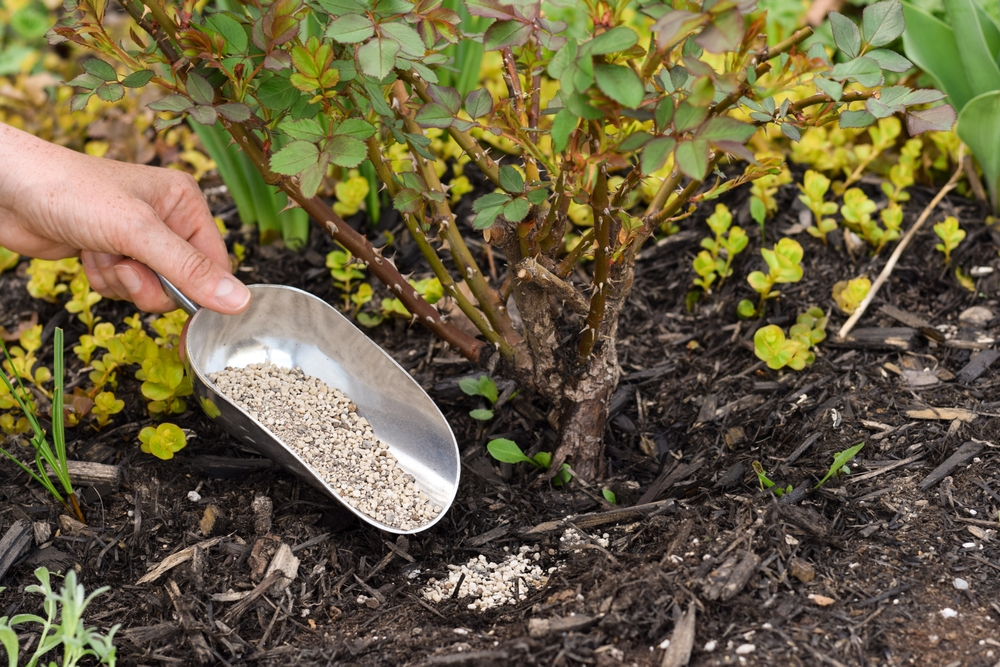
Garden blooms after a long winter are stunning. But here’s the secret seasoned gardeners know, and beginners rarely hear: those beautiful spring plants don’t just happen. They’re the result of quiet, behind-the-scenes work you do long before frost melts and daylight lingers. Feeding your soil now—yes, right now—sets the stage for an explosive, colorful, brag-worthy garden in March.
If you’ve ever wanted to feel like the kind of person whose neighbors whisper, “How do they make their garden look like that?” the answer starts in the dirt beneath your feet.
Why Winter Soil Work Matters
Winter soil care feels counterintuitive because everything above ground looks asleep, but underground, important things are happening. Microbes slow down, nutrients shift, and the structure of your soil prepares itself for the next growing season. That means what you feed your soil now becomes the buffet your plants rely on when spring arrives. If you skip winter soil care, your plants start March hungry and behind schedule. If you enrich the soil early, though, they’ll burst into life as if they’ve been training for the moment all winter long.
Organic Matter Is Your Secret Weapon
Adding organic matter now is like giving your soil a warm winter coat and a stocked pantry. Compost, shredded leaves, aged manure, and even grass clippings slowly break down over the winter months. This slow decomposition creates a rich, fertile environment where roots can thrive in spring. Organic matter also improves drainage, aeration, and soil softness, which is especially helpful if your garden sits on hard clay or stubborn compacted earth. When March comes, you won’t be fighting your soil—you’ll be working with it.
Mulching Now Means Fewer Problems Later
A good winter mulch layer works harder than you think. It insulates the soil, protects beneficial organisms, and prevents nutrient loss caused by harsh winter weather. Mulch also keeps weeds from establishing themselves early, saving you countless hours of spring frustration. As it breaks down, the mulch becomes a source of slow-release nutrients that your garden will absolutely devour. By March, your soil will be moist, rich, and ready to support new growth without extra prep work.
Soil Testing Gives You an Unfair Advantage
Most gardeners wait until spring to test their soil, but doing it now puts you a step ahead. Soil tests reveal pH imbalances and nutrient deficiencies that you can correct long before planting season arrives. Lime, sulfur, and certain mineral amendments take weeks—even months—to fully integrate into the soil. If you treat those issues early, your plants will have the perfect environment when they wake up in March. Instead of playing catch-up, you’ll be planting into soil that’s already optimized.

Winter Cover Crops Do the Heavy Lifting
If you’ve never tried a winter cover crop, this might be your new favorite gardening hack. Plants like clover, rye, and winter peas protect the soil while adding nutrients and preventing erosion. Their roots break up compacted earth naturally, making your spring garden beds as loose and workable as freshly baked cake. When you cut back or incorporate the cover crop in early March, it becomes an instant nutrient boost for your soil. It’s a simple way to improve soil health without constant hands-on work.
Earthworms Love Winter Prep
Healthy soil isn’t just about nutrients—it’s about the creatures living inside it. Earthworms are your unpaid garden workforce, and everything you add to the soil now encourages them to multiply. Organic material, moisture retention, and insulation make winter a surprisingly active time for these little engineers. As worms move through the soil, they create tunnels that improve drainage and root access. Come March, your plants will thrive thanks to the quiet underground renovations happening right now.
Early Feeding Prevents Spring Shock
Plants can experience something like shock if they suddenly go from dormant soil to nutrient-poor conditions. Feeding the soil early creates a gentle, consistent nutrient release that prevents this stressful transition. Instead of scrambling to apply fertilizers in March, you allow nature to break down soil amendments slowly and evenly. This results in stronger root systems, better early growth, and fewer problems like yellowing leaves or stunted sprouts. Think of it as rolling out a welcome mat for your future garden.
Your Soil Structure Depends on Winter Prep
Soil isn’t just dirt—it has structure, layers, and stability that determine how well plants grow. Winter soil care enhances this structure by improving aeration and preventing compaction from rain, snow, and foot traffic. When you enrich the soil now, you help build the kind of crumbly, workable texture that gardeners dream of. A well-structured soil holds moisture without drowning roots and drains well without losing nutrients. Get the structure right in winter, and spring becomes effortless.
The Payoff Arrives in March
Everything you do for your soil now sets the tone for the entire year’s garden. When March rolls around, you’ll notice your beds thaw faster, drain better, and welcome seeds and seedlings with open arms. Plants root more easily, sprout more quickly, and grow more vigorously in soil that’s been fed early. Even better, your garden will require less work and fewer corrections once the season starts. It’s the gift you give yourself—a spring garden that already feels halfway finished the moment you begin.
Build The Garden Now For The Future You
Feeding your soil now isn’t just smart—it’s one of the easiest ways to guarantee an incredible garden in March. Every amendment, every handful of compost, and every layer of mulch becomes part of a powerful foundation your plants will rely on when they wake up. If you want a garden that feels effortless, abundant, and thriving, the secret lies in early preparation. Don’t wait until spring to rush through soil work when you can enjoy the slow, satisfying process of building fertility now.
Already started prepping your soil or tried winter amendments before? If so, share your stories, tips, or questions in the comments below.
You May Also Like…
- Why You Need to Check Soil Drainage Before the First Freeze
- How to Prep Soil for Bulbs Without Spending a Fortune
- Why Cardboard Mulch Might Be the Secret Weapon Your Soil Needs
- The One Weed You Should Never Ignore in November
- Start These Seeds Indoors Now to Beat Spring Rush

Brandon Marcus is a staff writer for FrugalGardening.com at District Media, Inc., where he delivers practical gardening advice with a relatable, no-nonsense style. An avid amateur gardener, he holds a BA degree and with over ten years of professional writing experience, he is also an award-winning published author whose first book, Questions For Deep Thinkers, was released by Adams Media. His work has appeared in major publications including Fandom.com, CHUD.com, TheColdWire.com, and Fansided.com.
Leave a Reply