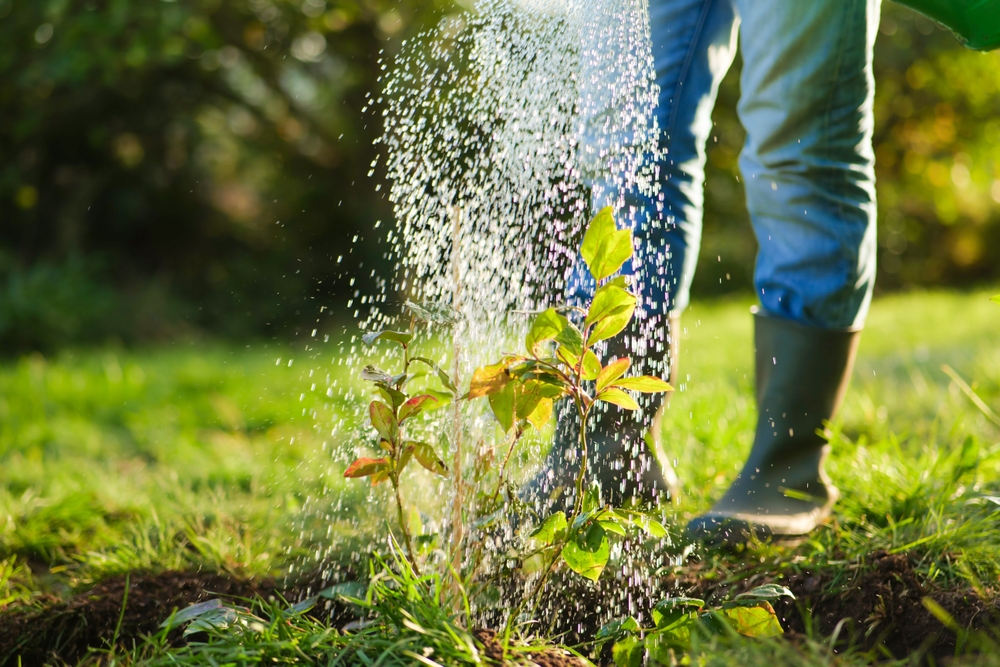
Low-water gardening is no longer a niche hobby tucked into desert regions. It now shows up in suburbs, city balconies, and even lush-looking front yards that once drank water like it was a sport. Homeowners across the country are rethinking how much water their landscapes really need, especially when summers run hotter and rainfall feels less predictable. The shift feels practical, not trendy, and it is changing how people design outdoor spaces.
This movement does not ask gardens to look dry or sparse. It asks them to look smarter. Plants, soil, and irrigation choices all work together in new ways that cut waste without stripping away beauty. The result feels more intentional, almost like every drop of water finally has a job instead of just disappearing into the ground.
Water Bills and Weather Whiplash Are Changing Garden Plans
Utility bills have a way of getting attention fast, especially when outdoor watering drives up the total. Many households now look at their lawns and beds with a more critical eye, questioning whether that wide stretch of grass really deserves daily irrigation. At the same time, weather swings push gardeners into a cycle of heavy watering one month and sudden restrictions the next. That constant back-and-forth makes traditional watering routines feel outdated and frustrating.
Dry spells also change how plants behave in real time. Leaves curl, soil cracks, and once-reliable flower beds start demanding more care than they used to. Instead of chasing those demands with more water, many gardeners now rethink the entire layout of their yards. This shift encourages smarter design choices that reduce pressure on both plants and people while still keeping outdoor spaces inviting.
The Rise of Plants That Drink Less but Give More
Plant selection now plays a starring role in low-water gardening. Native plants and drought-tolerant varieties earn more attention because they handle dry conditions with far less drama. Lavender, coneflower, sedum, and ornamental grasses often show up in redesigned landscapes because they keep color and structure without constant irrigation. These plants do not just survive dry periods, they adapt to them with surprising grace.
Gardeners also mix plant heights and textures to create natural shade within beds. Taller plants shelter the soil, while ground covers reduce exposed areas that lose moisture quickly. This layered approach builds resilience into the garden without relying on extra watering sessions. The end result feels fuller and more dynamic, proving that lower water use does not mean a dull yard.
Smart Soil Choices That Hold Moisture Like a Sponge
Soil often decides whether a garden drinks water or wastes it. Compost-rich soil holds moisture longer, allowing roots to access water gradually instead of all at once. Many gardeners now spend more time improving soil structure before planting anything new. That early effort pays off later when watering schedules become less demanding and more forgiving.
Mulch also steps into the spotlight as a quiet but powerful tool. A layer of bark, straw, or shredded leaves shields soil from direct sun and slows evaporation. This simple addition reduces how often gardeners need to water while keeping soil temperatures more stable. Over time, these small changes build a foundation that supports healthier, more efficient gardens without extra effort.
Drip Irrigation and Simple Tech That Saves Every Drop
Traditional sprinklers often waste water by spraying it where plants cannot use it. Drip irrigation systems solve that problem by delivering moisture directly to roots in slow, steady amounts. This method reduces runoff and keeps leaves drier, which also helps limit disease issues. Many homeowners install these systems in a weekend and immediately notice how much more controlled watering becomes.
Timers and smart controllers add another layer of efficiency. These tools adjust watering schedules based on weather patterns instead of fixed routines. Some systems even pause automatically after rainfall, which prevents overwatering without constant monitoring. Together, these small technologies turn watering from a guessing game into a reliable, low-effort process.
Landscaping That Works With Nature Instead of Fighting It
Low-water gardens often follow the shape of the land instead of forcing it into uniform patterns. Sloped areas get terraced planting beds that slow water movement and encourage absorption. Rock gardens and gravel paths replace thirsty turf in areas that rarely need heavy greenery. These choices reduce maintenance while adding visual character that feels intentional rather than leftover.
Design also leans into zoning, where plants with similar water needs grow together. This approach prevents overwatering one group while underwatering another. It also simplifies care routines, since each zone follows its own schedule. Over time, the yard becomes easier to manage and far more efficient without losing personality or charm.
A Smarter Garden Mindset for the Long Run
Low-water gardening reflects a bigger shift in how outdoor spaces get designed and maintained. Homeowners now focus on balance, choosing plants and systems that work with local conditions instead of against them. This mindset reduces waste, simplifies upkeep, and still delivers vibrant outdoor spaces that feel welcoming and alive. It also gives gardeners more control without demanding more effort or constant attention.
Gardens across the country now reflect a quieter kind of intelligence, one that values every drop and every decision. What would change first in a yard if water suddenly became the most precious design element?
You May Also Like…
Why Self-Watering Gardens Are Suddenly So Popular
The Backyard Gardening Rule That Could Save You Hundreds on Water Bills
Why Watering Consistency Matters More Than Volume
Give Bees and Butterflies a Drink: Create a Pollinator Water Station From Recycled Dishes
Why Overwatering Is More Dangerous Than Underwatering

Brandon Marcus is a staff writer for FrugalGardening.com at District Media, Inc., where he delivers practical gardening advice with a relatable, no-nonsense style. An avid amateur gardener, he holds a BA degree and with over ten years of professional writing experience, he is also an award-winning published author whose first book, Questions For Deep Thinkers, was released by Adams Media. His work has appeared in major publications including Fandom.com, CHUD.com, TheColdWire.com, and Fansided.com.
Leave a Reply