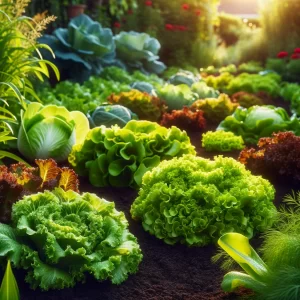
Lettuce is a staple in salads and sandwiches, and its popularity continues to rise as people seek healthy, fresh, and locally sourced food options. With an increasing interest in home gardening and sustainable agriculture, understanding the nuances of growing lettuce, when to transplant lettuce seedlings, and more are potentially critical. Here’s an overview of the essential techniques and tips for cultivating lettuce successfully, ensuring a bountiful harvest that aligns with current green living trends.
Choosing the Right Lettuce Variety
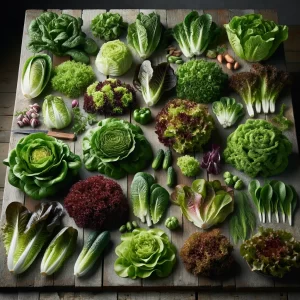
Selecting the appropriate lettuce variety is crucial for your garden’s success. With options ranging from crisphead, romaine, leaf, and butterhead, each type has unique requirements and benefits.
Crisphead varieties, like icebergs, are known for their crunchy texture but require cooler growing conditions. Romaine – a favorite for Caesar salads – offers a longer harvest period and is more heat-tolerant.
Leaf lettuces, such as oak leaf and red leaf, are prized for their colorful and tender leaves, making them a perfect choice for a visually appealing garden. Butterhead lettuces (including Boston and Bibb) are valued for their soft, buttery texture and compact size, ideal for smaller gardens.
Understanding the specific needs and characteristics of each variety will help you choose the best type for your climate, space, and culinary preferences. That way, you can work your way toward a successful harvest.
Optimal Growing Conditions
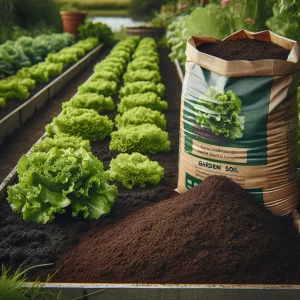
Lettuce thrives in cool temperatures, typically between 60-70°F (15-21°C), making it ideal for spring and autumn cultivation. Additionally, it requires well-drained, nutrient-rich soil with a pH between 6.0 and 7.0.
Incorporating compost or well-rotted manure into your garden beds can significantly improve soil fertility and structure. Lettuce is a relatively light feeder, but a balanced application of a nitrogen-rich fertilizer at planting time will promote vigorous growth. Additionally, a mulch layer can retain moisture, regulate soil temperature, and suppress weeds, creating an optimal growing environment for your lettuce.
Sowing Seeds Directly

For many gardeners, sowing lettuce seeds directly into the garden is a straightforward approach. This method reduces transplant shock and can lead to hardier plants.
When sowing, distribute the tiny seeds evenly over the prepared soil and lightly cover them with a fine layer of soil or compost. Keeping the soil consistently moist is crucial for germination, which typically occurs within 7-10 days. Thin the seedlings to their recommended spacing once they’ve developed a few true leaves, ensuring each plant has enough room to grow.
Starting Seeds Indoors
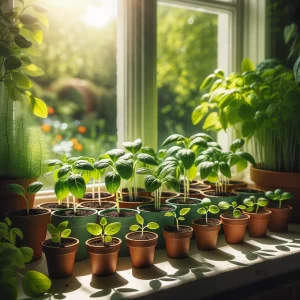
Starting lettuce seeds indoors allows for an earlier start to the growing season, particularly in regions with short growing periods. Sow seeds in a well-draining seed starting mix, lightly covering them with soil. Place the containers in a warm, well-lit area or under grow lights to encourage germination.
Once seedlings emerge, ensure they receive plenty of light to prevent leggy growth. Harden off the seedlings by gradually exposing them to outdoor conditions over a week before transplanting to reduce shock.
When to Transplant Lettuce Seedlings
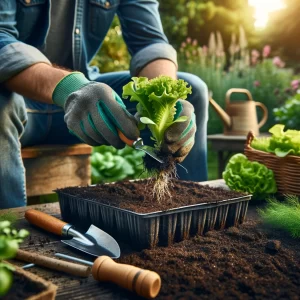
Transplanting lettuce seedlings into the garden or larger containers is a critical step, so knowing when to transplant lettuce seedlings to get the best result is a must. Ideally, choose a cool, overcast day to transplant, whenever possible, to minimize stress on the plants.
Prepare the planting site by loosening the soil and adding compost or a balanced fertilizer. Then, carefully remove the seedlings from their containers, disturbing the roots as little as possible, and plant them at the same depth they were growing in the containers. Space the plants according to the variety’s requirements, and water them thoroughly after planting to settle the soil around the roots.
Watering and Weed Management
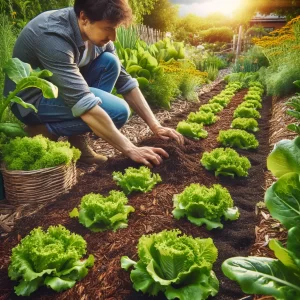
Consistent watering is essential for lettuce, which prefers a steady supply of moisture to develop tender, crisp leaves. Drip irrigation or soaker hoses are ideal for delivering water directly to the root zone, minimizing leaf wetness and the associated risk of fungal diseases.
Additionally, mulching around your lettuce plants not only helps retain soil moisture but also suppresses weed growth. Weeds compete with lettuce for nutrients and water, so maintaining a weed-free bed is crucial for the health of your plants.
Pest and Disease Control
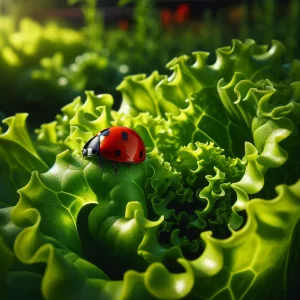
Lettuce is susceptible to various pests and diseases, including aphids, slugs, and powdery mildew. Regular monitoring and early intervention are vital to managing these challenges.
Employing integrated pest management (IPM) strategies – such as introducing beneficial insects, using row covers to protect plants, and practicing crop rotation – can significantly reduce pest and disease issues. Avoid overhead watering to prevent the spread of fungal diseases, and keep the garden clean of plant debris to discourage pests.
Ongoing Care and Maintenance

Regular maintenance is vital to a bountiful lettuce harvest. Keep the soil consistently moist but not oversaturated, and apply a mulch layer to retain moisture and suppress weeds. Monitor for pests like aphids and slugs, which can be controlled through natural predators or safe, organic pesticides. Rotate lettuce crops each year to prevent soilborne diseases and maintain soil health.
Harvesting and Post-Harvest Care

Knowing when to harvest your lettuce is key to enjoying its optimal flavor and texture. Leaf lettuces can be harvested as soon as they’re large enough to eat, either by picking individual outer leaves or cutting the whole plant at the base. In most cases, head lettuces are ready when the head feels firm and tightly packed.
After harvesting, wash your lettuce gently in cold water and dry it thoroughly to prevent wilting. Then, store it in the refrigerator in a plastic bag or container to maintain freshness.
Growing Lettuce Successfully

As home gardening and local food sourcing continue to trend, mastering the art of lettuce cultivation is a valuable skill for any green thumb. Ultimately, growing and transplanting lettuce successfully requires attention to detail, from selecting the right variety to managing pests and diseases. Fortunately, by following the guidelines above, gardeners can enjoy a continuous supply of fresh, tasty lettuce from their backyard, contributing to a sustainable and healthy lifestyle.

Catherine is a tech-savvy writer who has focused on the personal finance space for more than eight years. She has a Bachelor’s in Information Technology and enjoys showcasing how tech can simplify everyday personal finance tasks like budgeting, spending tracking, and planning for the future. Additionally, she’s explored the ins and outs of the world of side hustles and loves to share what she’s learned along the way. When she’s not working, you can find her relaxing at home in the Pacific Northwest with her two cats or enjoying a cup of coffee at her neighborhood cafe.
Leave a Reply