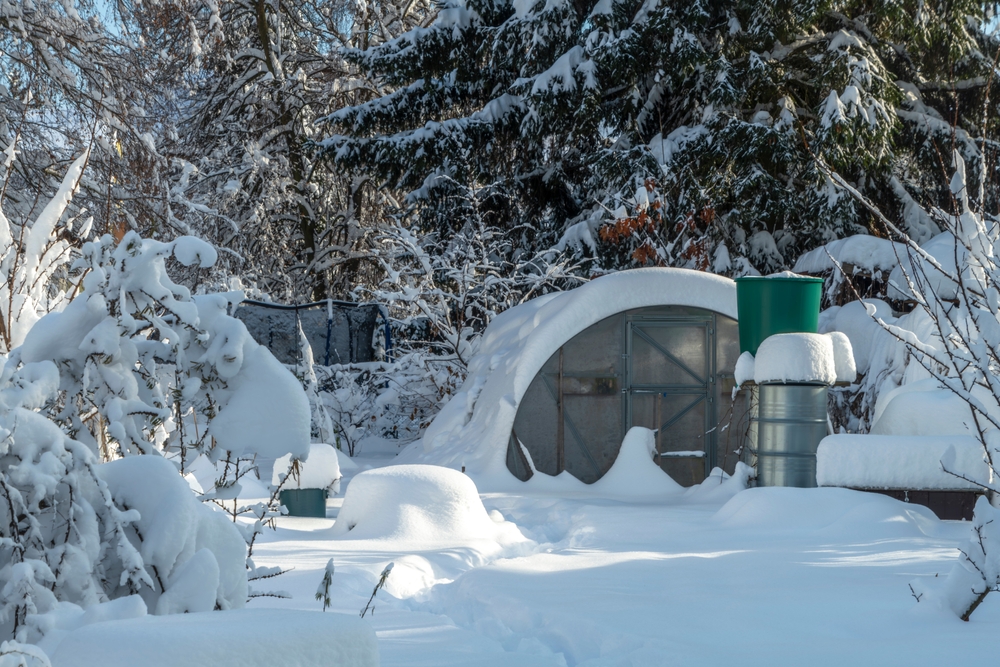
Snow blankets your yard, the garden beds sit frozen solid, and most people assume planting season still sits months away. That’s exactly when savvy gardeners grab recycled containers, a handful of seeds, and get to work. The winter sowing method flips traditional gardening on its head by letting nature handle germination in real time.
Instead of hovering over seed trays indoors, you place mini greenhouses outside and let cold, light, and moisture do the heavy lifting. This approach saves money, simplifies the process, and produces tough, resilient plants that thrive once spring arrives.
What Makes the Winter Sowing Method So Effective
The winter sowing method works because it mimics how seeds naturally behave in the wild rather than forcing them into artificial indoor conditions. Seeds experience freezing nights, sunny days, and gradual warming, which triggers strong and steady germination. Many varieties, especially perennials and cold-hardy vegetables, actually require this cold exposure to break dormancy. Gardeners who use this method often report higher germination rates compared to indoor setups because seeds follow their natural rhythm. You skip expensive grow lights, complicated timing schedules, and constant monitoring, which makes this approach both beginner-friendly and efficient.
How to Set Up Your Winter Sowing Containers
You don’t need fancy equipment to get started, and that’s part of the charm of the winter sowing method. Grab clear plastic containers like milk jugs, salad boxes, or takeout containers and cut them open to create a hinged lid. Fill the bottom with a few inches of moist potting soil, plant your seeds according to their depth requirements, and tape the container shut with ventilation holes punched in the top. Place your containers outside in a spot where they’ll receive sunlight but won’t get knocked over by wind. Label everything clearly because snow, sun, and time can quickly erase even your best memory.
Best Seeds to Use for Winter Sowing Success
Not every seed thrives in freezing temperatures, so choosing the right varieties matters for success. Cold-hardy vegetables like kale, spinach, broccoli, and lettuce perform exceptionally well with the winter sowing method. Many flowers, including coneflowers, black-eyed Susans, and milkweed, actually prefer this natural stratification process.
Herbs like thyme and oregano also adapt beautifully to outdoor germination in winter conditions. If a seed packet mentions “cold stratification” or “direct sow early,” it likely makes a perfect candidate for this technique.
Common Mistakes That Can Ruin Your Results
Even though the winter sowing method feels simple, a few missteps can slow your progress or wipe out your seedlings. Overwatering tops the list because sealed containers already trap moisture, so soggy soil can rot seeds before they sprout. Skipping ventilation holes creates a similar problem by turning your mini greenhouse into a swamp instead of a balanced environment. Placing containers in deep shade limits the sunlight seeds need once temperatures begin to rise. Finally, impatience trips people up, since seeds germinate on their own schedule and won’t follow a strict calendar.
Why This Method Saves You Money and Time
Gardening costs add up quickly when you factor in seed trays, grow lights, heating mats, and electricity bills. The winter sowing method cuts those expenses dramatically by using recycled materials and natural outdoor conditions. You don’t need to babysit seedlings daily, which frees up your schedule during busy winter months.
Stronger seedlings also reduce transplant shock, which means fewer losses and less need to replace plants. Over time, this method delivers a healthier garden while keeping your budget firmly in check.
When to Transition Seedlings to Your Garden
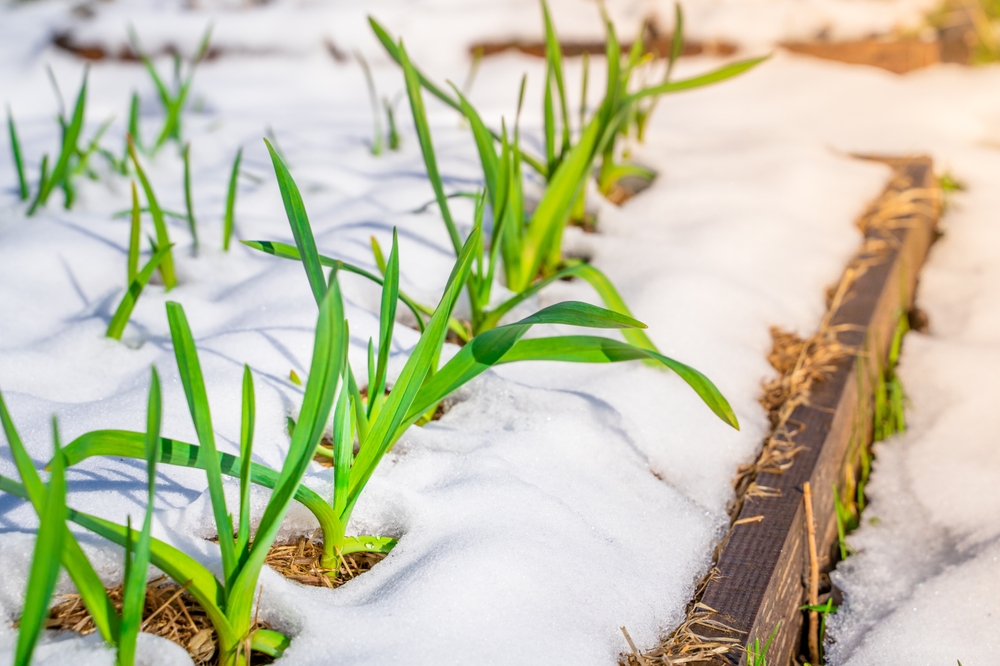
Timing plays a crucial role once your seeds sprout and begin to outgrow their containers. As temperatures stabilize and seedlings develop several true leaves, you can gradually open containers to expose them to more airflow. This natural hardening process happens automatically, which gives winter-sown plants a major advantage over indoor seedlings. When the soil outside becomes workable, you can transplant your seedlings directly into garden beds without an adjustment period. Because they already adapted to outdoor conditions, they establish faster and grow more vigorously.
The Secret Advantage Seasoned Gardeners Swear By
Ask experienced gardeners why they stick with the winter sowing method, and you’ll hear one consistent answer: resilience. Plants that grow through fluctuating temperatures develop stronger root systems and sturdier stems from day one. You don’t need to worry about leggy seedlings or fragile plants that collapse after transplanting. This method also extends your growing season without requiring extra effort, since seeds begin their journey long before spring officially arrives. Once you try it, the simplicity and results make it hard to go back to traditional indoor seed starting.
Let Nature Do the Heavy Lifting This Season
The winter sowing method turns cold weather into an ally instead of an obstacle, which completely changes how you approach gardening. You save money, reduce effort, and grow hardier plants that outperform their indoor-started counterparts. With just a few containers, some soil, and the right seeds, you can kickstart your garden while snow still covers the ground. This approach rewards patience and trust in natural cycles, and it often delivers surprisingly abundant results. Ready to rethink your gardening routine and put winter to work for you?
Have you ever tried the winter sowing method, or are you planning to give it a shot this season? Share your experience or questions in the comments.
You May Also Like…
The Spring “Pound” Trick: How to Get 10lbs of Food from One $2 Seed Packet
This DIY Cold Frame Design Is Collapsing Under Snow — And Causing Injuries
7 Tiny Fence Fixes That Keep Snow From Destroying Panels
Is Your Garden Ready for the First Snowfall?
The Yard Waste Secret: How Your Neighbors are Giving Away Free Garden Gold

Brandon Marcus is a staff writer for FrugalGardening.com at District Media, Inc., where he delivers practical gardening advice with a relatable, no-nonsense style. An avid amateur gardener, he holds a BA degree and with over ten years of professional writing experience, he is also an award-winning published author whose first book, Questions For Deep Thinkers, was released by Adams Media. His work has appeared in major publications including Fandom.com, CHUD.com, TheColdWire.com, and Fansided.com.
Leave a Reply