An attractive garden fence can make a yard feel finished, intentional, and protected, but the price tags on store-bought fencing can crush the most enthusiastic garden plans.
The good news is that a beautiful, functional fence does not have to come from a big box store or drain your budget. With a little creativity and a willingness to think beyond traditional panels, you can define your garden space using materials that are affordable, effective, and often more visually interesting. These alternatives work for vegetable gardens, flower beds, and even decorative borders, while letting your personality show through every post and panel.
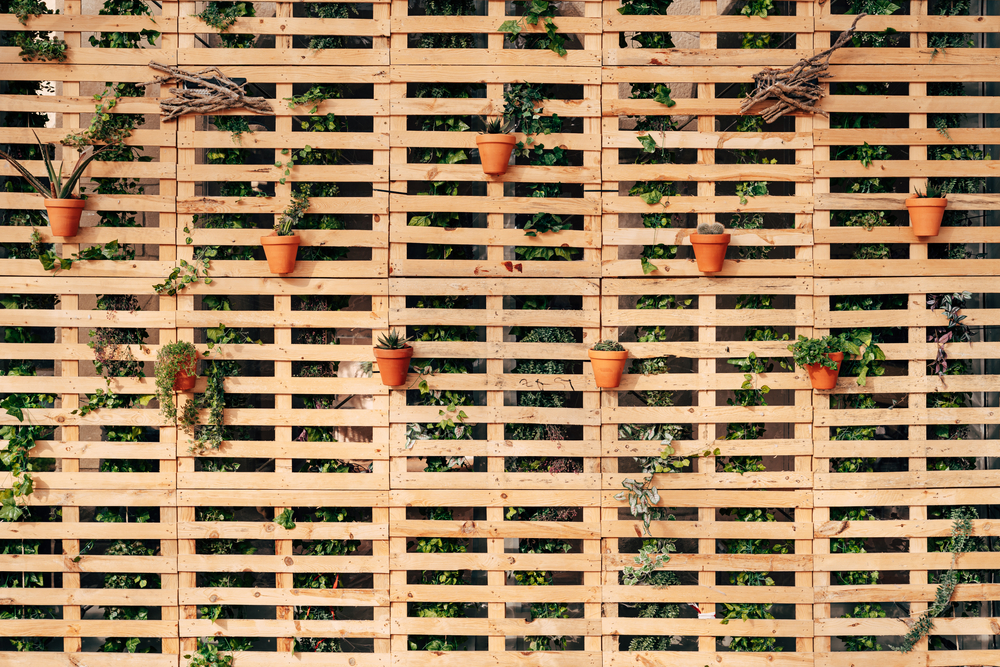
1. Repurposed Wooden Pallets
Wooden pallets are one of the most popular low-cost fencing options, and for good reason, because they are often free and surprisingly versatile. Many local businesses are happy to give them away if you ask, especially warehouses and garden centers that receive regular shipments. Once sanded and secured, pallets can be stood upright or taken apart and rebuilt into custom fence sections.
To make them last longer outdoors, a weather-resistant sealant or exterior paint goes a long way, and you can even add climbing plants to soften the look. This option works especially well for gardeners who like a rustic, handmade aesthetic and want a weekend project that pays off quickly.
2. Chicken Wire with Wooden Posts
Chicken wire might sound purely utilitarian, but when paired with sturdy wooden posts, it becomes a practical and affordable fencing solution. This type of fencing is especially useful for keeping small animals out of vegetable gardens while still allowing light and airflow. You can adjust the height depending on your needs, which makes it adaptable for everything from low herb beds to taller raised gardens.
For visual interest, consider staining the posts or attaching decorative trim along the top edge. It is not fancy, but it gets the job done and keeps your plants safe without blowing your budget.
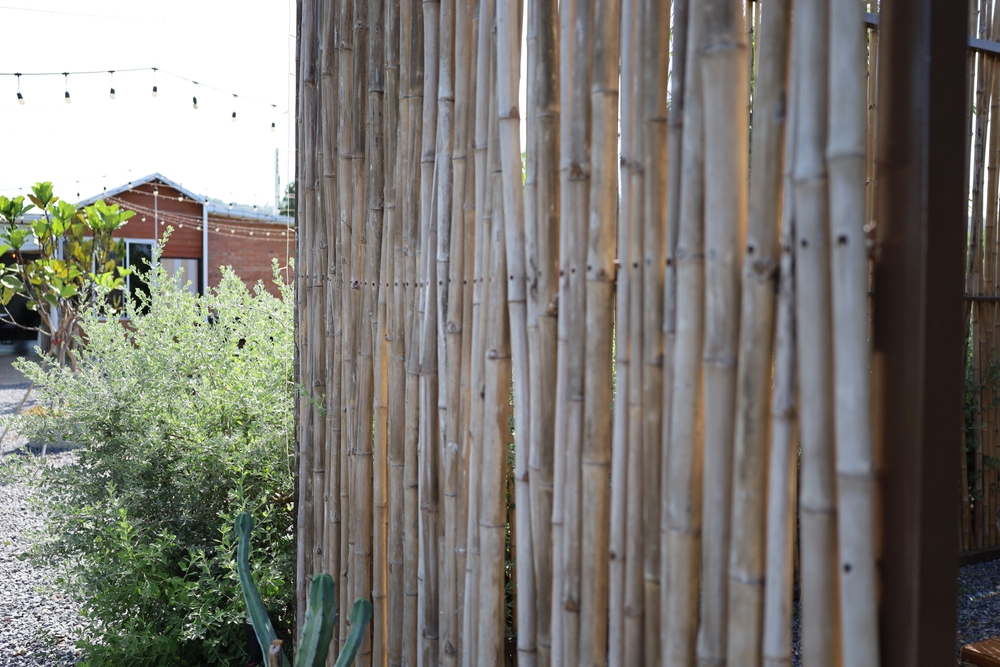
3. Bamboo Poles or Rolls
Bamboo fencing is lightweight, natural-looking, and often far less expensive than traditional wood fencing. It is commonly sold in rolls or as individual poles that can be tied or screwed to posts. Bamboo works particularly well in gardens that lean toward a relaxed or tropical feel, but it can also blend into modern spaces when installed cleanly.
While it may not last as long as treated lumber, sealing it properly can extend its lifespan. This option is ideal for gardeners who want a quick installation with visual impact.
4. Living Fences Made of Shrubs or Plants
A living fence takes more patience than most alternatives, but it rewards you with beauty and function over time. Dense shrubs, ornamental grasses, or even tall perennials can be planted close together to form a natural barrier.
This type of fencing adds texture, movement, and seasonal interest that no store-bought panel can match. It comes with many benefits, including how it helps pollinators and improves the overall health of your garden ecosystem. If you enjoy the idea of a fence that grows and changes, this is one of the most satisfying low-cost options available.
5. Reclaimed Doors or Window Frames
Old doors and window frames can be turned into a truly unique garden fence that doubles as art. Salvage yards, renovation sites, and online marketplaces are excellent places to find these items at low cost. When secured properly, they create a whimsical, eclectic boundary that sparks conversation.
A fresh coat of exterior paint can unify mismatched pieces or highlight their differences, depending on your style. This option is perfect for gardeners who love storytelling through design and want a fence that feels one of a kind.
6. Woven Willow or Branch Fencing
Woven fencing made from willow branches or similar flexible wood has been used for centuries, and it remains a beautiful and budget-friendly option today. You can either purchase pre-woven panels or create your own if you have access to suitable branches. The finished look is organic and textured, blending seamlessly into natural garden settings.
While it may require occasional maintenance, the materials are often inexpensive or free. This choice is especially appealing for gardeners who appreciate traditional techniques and earthy aesthetics.
7. Wire Cattle Panels
Cattle panels are sturdy metal grids typically used in farming, but they have found a second life in home gardens. They are relatively inexpensive, extremely durable, and easy to install with basic posts. These panels work well for defining larger garden areas or supporting climbing plants like beans and squash.
Greenery can transform the industrial look into something surprisingly elegant. If you want a fence that can handle both protection and plant support, this option delivers real value.
8. Rope or Twine Fencing
For gardens that need a visual boundary more than a physical barrier, rope or heavy twine fencing is an affordable and flexible solution. This approach works well for decorative gardens or areas where pets and wildlife are not a major concern.
Posts can be wooden stakes, metal rods, or even repurposed materials you already have. You can adjust spacing and patterns to suit your style, making it a surprisingly creative option. It is simple, low-cost, and easy to change as your garden evolves.
9. Corrugated Metal Panels
Corrugated metal might not sound budget-friendly at first, but reclaimed or surplus panels can be surprisingly affordable. When paired with wooden framing, they create a modern, industrial-style fence that is both durable and eye-catching.
This material stands up well to weather and requires minimal maintenance over time. It works particularly well in contemporary garden designs or urban settings. If you like bold lines and a clean look, this option offers long-term value without high cost.
The Big Takeaway for Budget-Savvy Gardeners
A garden fence does not need to come straight off a shelf to be effective, attractive, or long-lasting. By using repurposed materials, natural elements, or simple construction techniques, you can create a boundary that fits both your budget and your personal style. Many of these alternatives also offer flexibility, allowing you to expand, modify, or refresh your fence as your garden grows.
The key is choosing a solution that matches your needs, climate, and willingness to maintain it. When you think creatively, fencing becomes another opportunity to make your garden uniquely yours.
Which of these low-cost fencing ideas would you try in your own garden, or do you have a creative alternative that deserves a spot on the list?
You May Also Like…
7 Tiny Fence Fixes That Keep Snow From Destroying Panels
The Garden Fence Test: How to Tell If Yours Will Survive the Snow
Here’s How To Build A Garden Fence For Your Herbs and Vegetables
Why Some States Are Cracking Down on Rain Barrels Again
10 Garden Structures Worth Building While Bugs Are Gone

Brandon Marcus is a staff writer for FrugalGardening.com at District Media, Inc., where he delivers practical gardening advice with a relatable, no-nonsense style. An avid amateur gardener, he holds a BA degree and with over ten years of professional writing experience, he is also an award-winning published author whose first book, Questions For Deep Thinkers, was released by Adams Media. His work has appeared in major publications including Fandom.com, CHUD.com, TheColdWire.com, and Fansided.com.
Leave a Reply