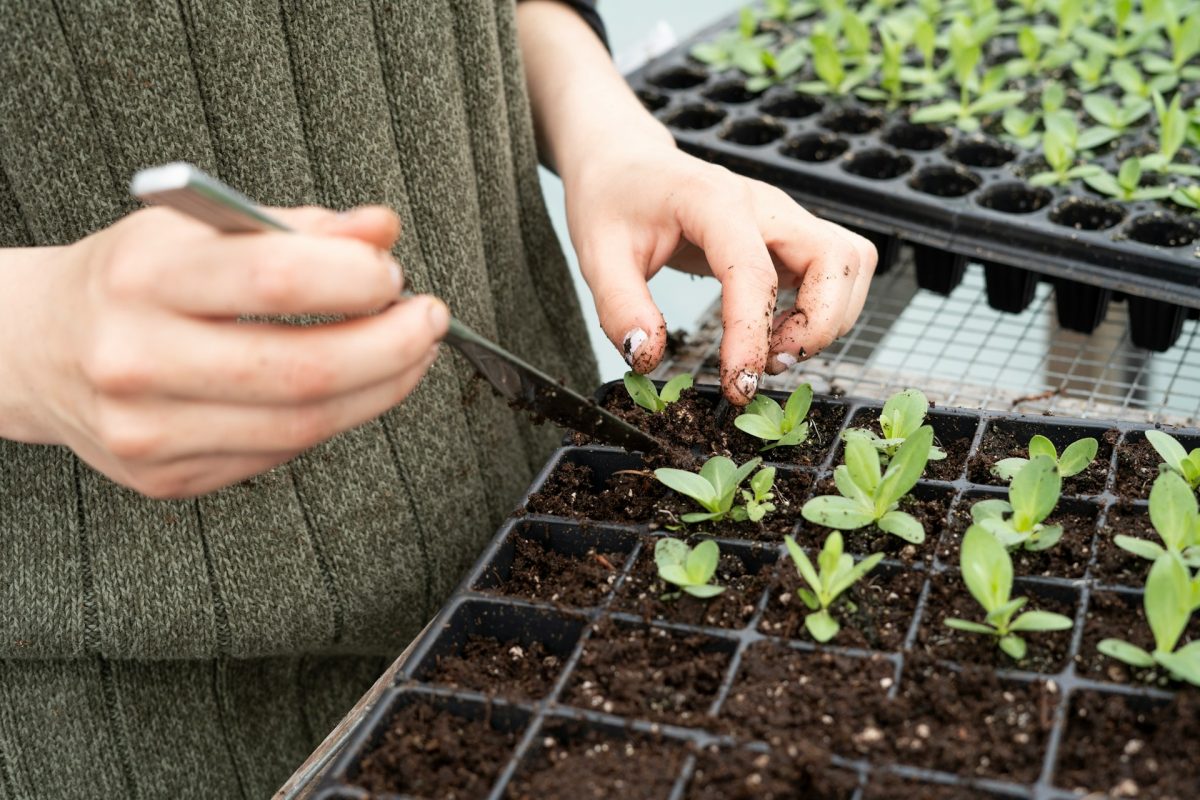
A tray full of perfect green sprouts can collapse overnight. Stems pinch at the soil line, leaves flop, and what looked like a promising start turns into a soggy mess. Grow lights glow overhead, timers click on schedule, and yet the seedlings still fall. That frustration points to a hard truth: light alone never guarantees healthy starts.
Damping off does not care how expensive the setup looks. It strikes when conditions favor the fungi and fungus-like organisms that attack tender stems and roots. Gardeners often blame weak seeds or bad luck, but the real culprits hide in moisture levels, airflow, soil choice, and temperature.
Bright Lights, Weak Stems: Why Illumination Isn’t Enough
Grow lights solve one major problem: insufficient sunlight during early growth. Strong light encourages compact growth and prevents leggy, stretched stems. However, damping off attacks from the soil up, not from the sky down. Even under bright LEDs or fluorescent fixtures, pathogens such as Pythium, Rhizoctonia, and Fusarium thrive in wet, stagnant conditions.
Many gardeners assume that if seedlings receive enough light, they automatically grow strong enough to resist disease. That assumption skips over the biology happening at the soil surface. Damping off organisms live in soil and organic debris, and they multiply rapidly when water lingers and air circulation drops. A bright light does nothing to dry out saturated potting mix or move stale air around delicate stems.
Positioning lights too far above seedlings also encourages stretching. Long, thin stems struggle to support leaves and become more vulnerable when pathogens attack at the base. Keeping lights just a few inches above the canopy and adjusting them as plants grow strengthens stems and reduces stress. Stronger seedlings still need the right environment below ground, but proper light placement removes one layer of weakness.
The Real Enemy Lives in the Soil
Damping off starts in the growing medium. Pathogens enter through contaminated soil, reused pots that never received proper cleaning, or even splashed water from nearby plants. Once those organisms find warm, moist conditions, they attack the stem right at the soil line. The tissue softens, collapses, and the seedling falls over as if someone sliced it with a thread.
Sterile, high-quality seed-starting mix dramatically reduces risk. Garden soil, compost, or reused potting mix often carry fungal spores that wait for the perfect moment to strike. Seed-starting blends contain fine particles that drain well and avoid large chunks that trap excess moisture. That texture matters more than many gardeners realize.
Watering Habits That Invite Trouble
Nothing fuels damping off faster than soggy soil. Seedlings need consistent moisture for germination, but they never need swamp conditions. Overwatering deprives roots of oxygen and creates the damp surface that fungi love.
Many gardeners water on a fixed schedule rather than checking the soil. That routine often leads to constantly wet conditions. Instead, feeling the surface and lifting containers to gauge weight gives a more accurate picture. The top layer should dry slightly between waterings, while the root zone stays lightly moist.
Bottom watering offers a smart alternative. Setting trays in a shallow pan of water allows the mix to absorb moisture from below, which keeps the surface drier and discourages fungal growth at the stem. After 15 to 30 minutes, removing excess water prevents saturation. That simple shift in technique often stops damping off in its tracks.
Airflow: The Overlooked Superpower
Seedlings crave movement. In nature, wind nudges stems and dries the soil surface. Indoors, still air surrounds trays unless someone actively creates circulation. That stagnant air keeps humidity high and invites fungal growth.
A small fan positioned nearby transforms the environment. Gentle airflow strengthens stems by encouraging subtle movement, which triggers plants to build thicker tissue. It also dries the soil surface more quickly and reduces the damp conditions pathogens prefer. The fan should create a light breeze, not a windstorm that flattens young plants.
Spacing matters too. Crowded seedlings block air from reaching the soil line. Thinning them promptly allows each plant room to breathe. While pulling extra sprouts feels wasteful, overcrowding often leads to losing the entire tray.
Timing and Transitions: When Seedlings Outgrow the Danger Zone
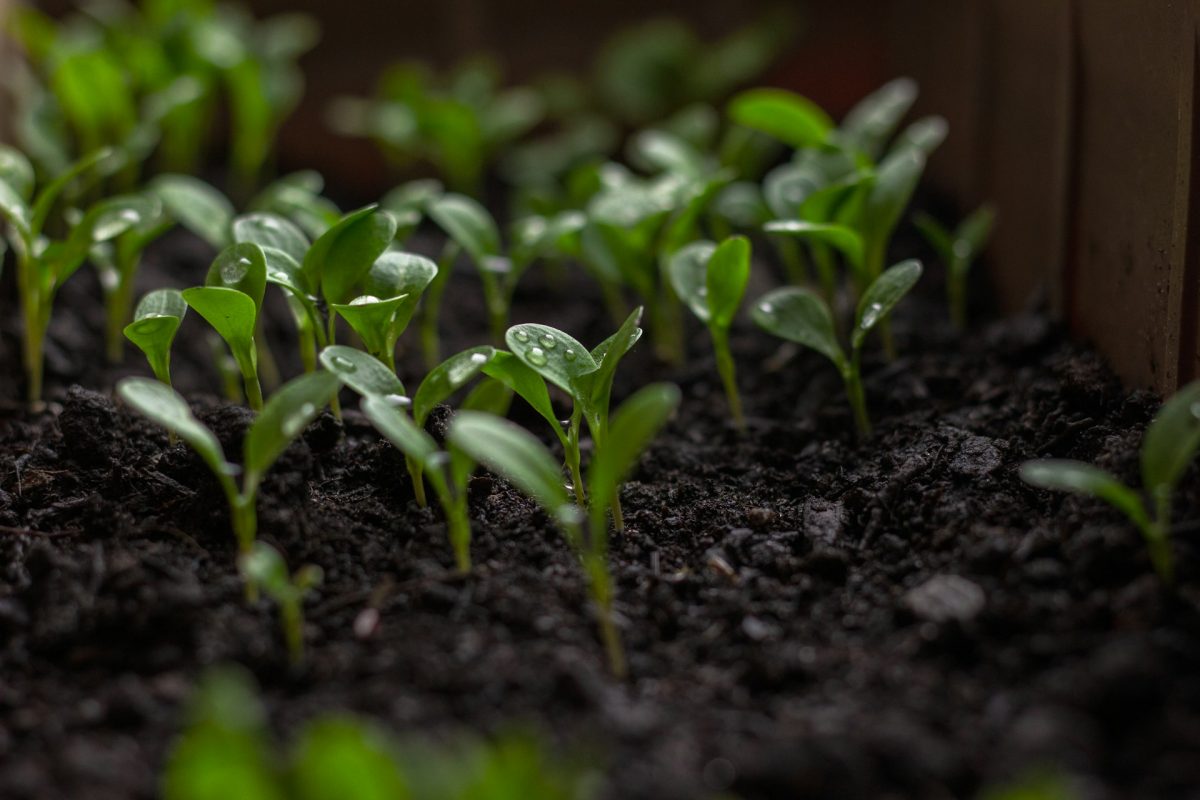
Seedlings face the highest risk during their earliest days. Once true leaves form and stems thicken, plants resist damping off more effectively. That window of vulnerability often lasts only a couple of weeks, but conditions during that time determine success or failure.
Starting seeds at the right time reduces stress. Sowing too early leads to larger plants sitting in small cells for too long, which increases moisture retention and root crowding. Following recommended timelines for each crop keeps growth steady and manageable.
Fertilizer choices also matter. Seed-starting mixes contain minimal nutrients by design. Once seedlings develop true leaves, a diluted, balanced fertilizer supports growth without overwhelming tender roots. Overfertilizing can damage roots and create additional stress, which leaves plants more susceptible to disease.
Take Control of the Conditions, Not Just the Light
Grow lights provide an important tool, but they never act alone. Successful seed starting demands attention to soil quality, moisture control, airflow, temperature, and cleanliness. Each factor works together, and ignoring one opens the door to trouble.
Gardeners who adjust watering habits, improve air circulation, use sterile seed-starting mix, and clean containers often see dramatic improvement within a single season. Damping off does not signal a lack of talent; it signals an imbalance in the environment. Correct that imbalance, and seedlings respond with sturdy stems and steady growth.
Healthy trays of green sprouts reward careful observation and small adjustments. Which change will make the biggest difference in the next round of seed starting? Let’s talk about it in our comments.
You May Also Like…
Why Your Compost Bin Could Be Breeding a Fungus That Kills Seedlings
The Real Reason Your Seedlings Keep Dying—And It’s Not the Cold
Why Seedlings Fail in Late Plantings
8 Seedlings That Transplant Better in Cool Weather
9 Seeds You Can Plant Immediately — No Matter the Weather

Brandon Marcus is a staff writer for FrugalGardening.com at District Media, Inc., where he delivers practical gardening advice with a relatable, no-nonsense style. An avid amateur gardener, he holds a BA degree and with over ten years of professional writing experience, he is also an award-winning published author whose first book, Questions For Deep Thinkers, was released by Adams Media. His work has appeared in major publications including Fandom.com, CHUD.com, TheColdWire.com, and Fansided.com.
Leave a Reply