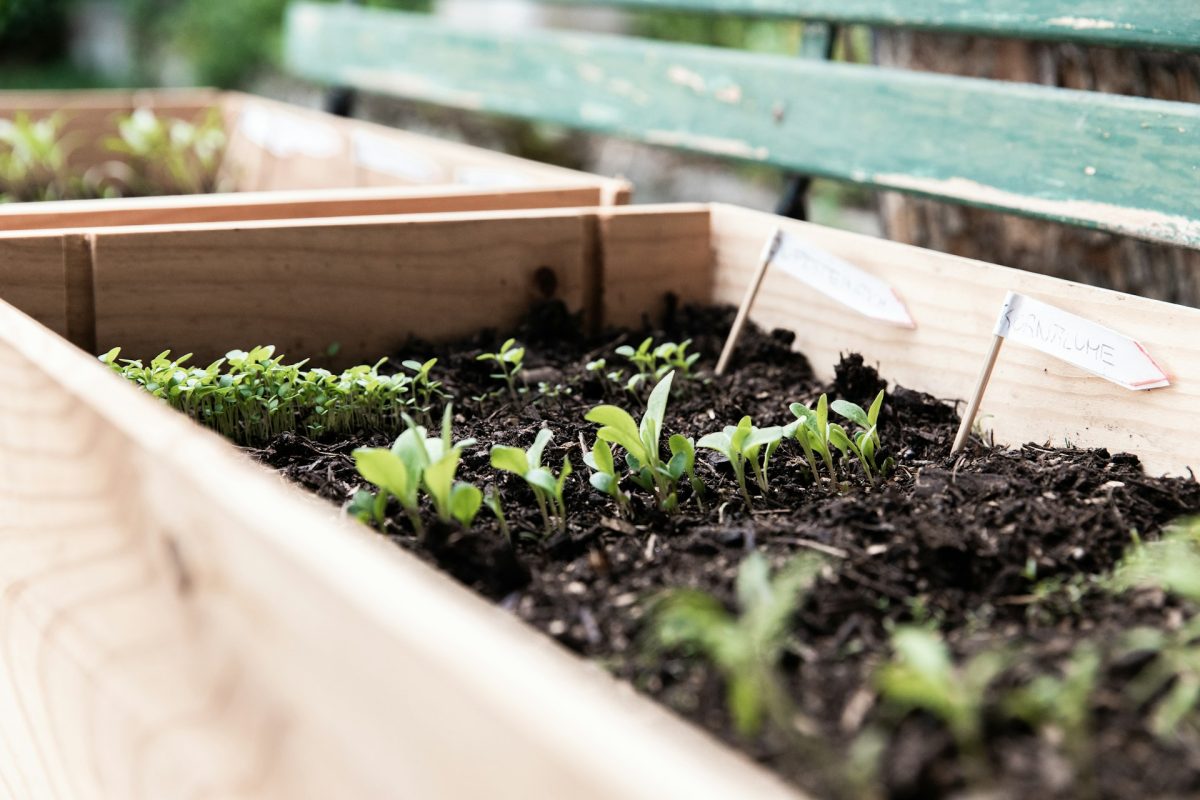
Spring does not negotiate. One warm week convinces everyone to plant, and one brutal cold snap reminds us who really runs the show. In that scramble to protect tender seedlings, many gardeners reach for a quick fix that feels smart and protective. They wrap young plants tightly in plastic, seal the edges to trap warmth, and walk away feeling responsible and prepared. Unfortunately, that common cold snap hack can suffocate the very seedlings it aims to save.
Gardeners mean well. Cold air threatens fragile stems and new leaves, and nobody wants to watch weeks of careful tending collapse overnight. But horticulture experts continue to warn that airtight plastic coverings create a dangerous microclimate. Instead of acting like a cozy blanket, that sealed plastic behaves more like a suffocating dome. The difference matters more than most people realize.
The Plastic Trap That Turns Protection Into Peril
When temperatures plunge, gardeners often drape clear plastic directly over seedlings and secure it tightly to the ground. The idea sounds logical: trap heat from the soil and prevent frost from settling on delicate growth. In reality, plants require constant gas exchange to survive. Leaves take in carbon dioxide during photosynthesis and release oxygen, and roots also respire in the soil. When you seal a plant under plastic without ventilation, you restrict airflow and disrupt that essential exchange.
During daylight hours, sunlight hits the plastic and creates a greenhouse effect. Temperatures under that cover can spike rapidly, even when outdoor air feels chilly. Seedlings cannot regulate heat the way mature plants can, and those sudden temperature swings stress their tissues. At night, condensation forms on the inside of the plastic and drips back onto leaves. That moisture, combined with stagnant air, encourages fungal diseases such as damping-off, which can wipe out trays of young plants in days.
Why Seedlings Need Air as Much as Warmth
Seedlings look small and fragile, but they operate with impressive metabolic intensity. Young plants grow rapidly, build new cells, and expand root systems at a pace that demands steady oxygen and carbon dioxide access. When plastic blocks airflow, seedlings cannot perform photosynthesis efficiently. That stress slows growth, weakens stems, and reduces resilience against cold injury.
Gardeners often assume frost alone causes harm, but plant stress plays an equally important role. A seedling that endures heat buildup, excess moisture, and limited airflow loses vigor before the frost even arrives. When cold air finally settles in, that weakened plant struggles to cope. Protection should strengthen seedlings against cold, not leave them gasping for air.
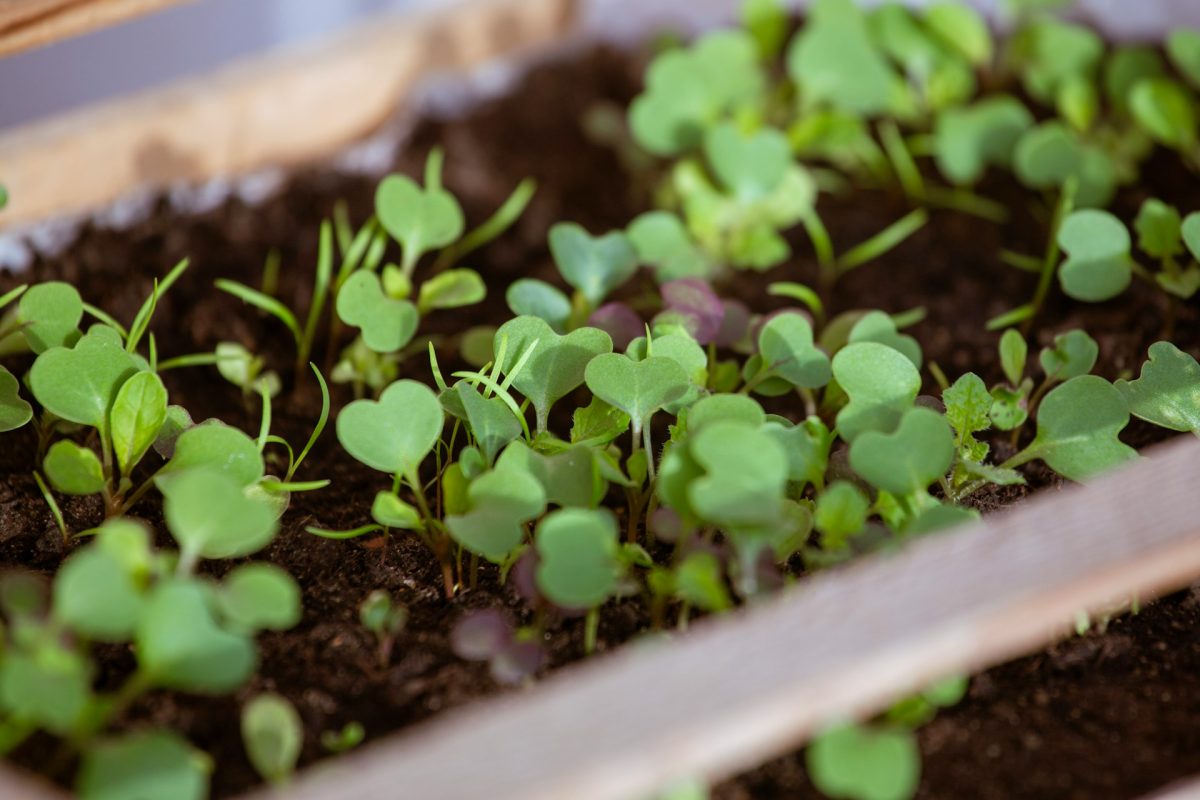
The Right Way to Shield Plants From a Cold Snap
Cold protection does not require panic or plastic suffocation. Gardeners can shield seedlings effectively by choosing breathable materials and creating space between the cover and the plant. Lightweight row covers, often made from spunbonded polyester or polypropylene, allow light, air, and water to pass through while adding several degrees of frost protection.
If you choose plastic, use hoops or stakes just like you would on raised garden beds in order to keep it elevated above foliage and secure it loosely so air can circulate. Open the ends during the day to prevent overheating, especially when sunshine returns. Close them in late afternoon before temperatures drop again. That simple routine prevents the mini-sauna effect that damages seedlings.
Cold Hardiness Isn’t Guesswork
Different plants tolerate cold differently, and smart gardeners adjust their strategy based on the crop. Cool-season vegetables like lettuce, spinach, and kale can handle light frost without dramatic damage. Warm-season crops such as tomatoes, peppers, and cucumbers suffer injury at temperatures below 40 degrees Fahrenheit and often die at freezing. Knowing your plant’s threshold helps you avoid overreacting with extreme measures that create new problems.
Hardening off seedlings before planting outdoors strengthens their ability to handle temperature shifts. Gradually exposing them to outdoor conditions over seven to ten days thickens leaf cuticles and toughens stems. That preparation reduces shock and increases resilience during an unexpected cold snap. Gardeners who skip this step often rely more heavily on emergency coverings, which increases the temptation to seal plants under plastic.
Weather awareness also matters. Checking reliable forecasts and understanding your local microclimate helps you plan ahead instead of scrambling at dusk. Raised beds warm and cool faster than in-ground plots. Areas near fences or walls may retain heat longer. When you understand your garden’s patterns, you can position vulnerable seedlings in slightly more protected spots.
Let Them Breathe and They’ll Reward You
Cold snaps challenge every gardener’s nerves, especially when tender seedlings stand only inches tall. Protection matters, but the method matters even more. Airflow supports photosynthesis, moderates humidity, and prevents the overheating that clear plastic can cause. Breathable covers, proper spacing, and attention to temperature swings protect seedlings without cutting off their lifeline.
When the forecast threatens frost, pause before you reach for that roll of plastic wrap. Ask whether your solution supports the plant’s biology or simply calms your anxiety. Seedlings need warmth, yes, but they also need oxygen, light, and stable conditions. Give them protection that works with nature rather than against it, and they will push through cold snaps with surprising resilience.
What cold-weather tricks have you tried in your own garden, and which ones actually helped your seedlings thrive? We want to hear your advice in the comments section.
You May Also Like…
Experts Say These Indoor Greenhouses Are Failing Seedlings in Cold Snaps
The Grocery Store Seed Hack Saving Gardeners Hundreds — And Why It Might Ruin Your Harvest
5 Tips For Successfully Reviving 100 Year Old Tomato Seeds
9 Late-Season Seedlings That Work in Cold Frames
8 Seedlings That Transplant Better in Cool Weather

Brandon Marcus is a staff writer for FrugalGardening.com at District Media, Inc., where he delivers practical gardening advice with a relatable, no-nonsense style. An avid amateur gardener, he holds a BA degree and with over ten years of professional writing experience, he is also an award-winning published author whose first book, Questions For Deep Thinkers, was released by Adams Media. His work has appeared in major publications including Fandom.com, CHUD.com, TheColdWire.com, and Fansided.com.
Leave a Reply